• TalkBass has been independent since 1998. Add your voice.
    Create a free account to reply to discussions, view embedded media, and browse with fewer display ads.
    Join freeLog in
    Want zero display ads or expanded classifieds tools? Compare plans.

Rust on Pickguard

LowNloud1

Commercial User
Jun 11, 2012
711
1,100
Wilmington NC
www.facebook.com
Disclosures
I am a hobbyist making stone picks that I sell but mostly give away. They made me do this anyways.
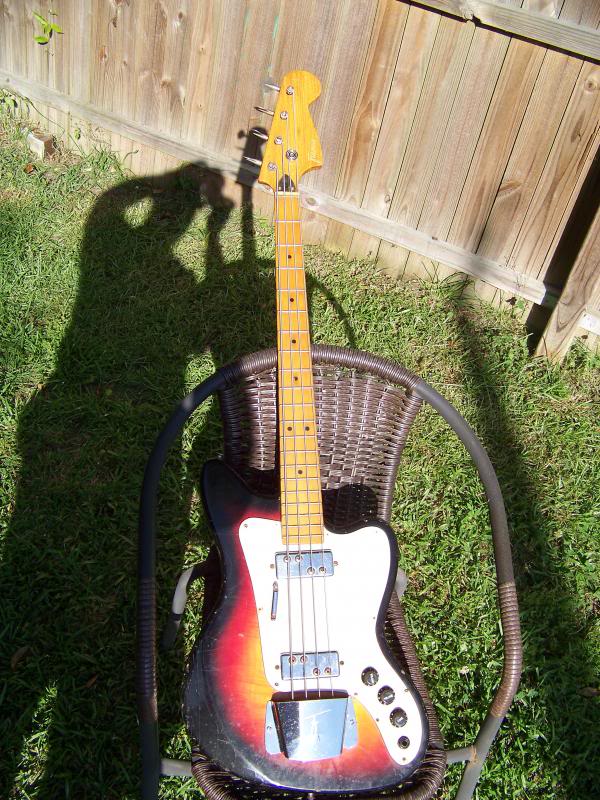
Have a 1972 Framus Strato bass that is original except for a few screws on the pickguard. Some of these have rusted around the screw heads and stained the pickguard. (See picture, just above the thumb rest and a couple other places the pic does not show well)

Does anyone have any solutions for this?
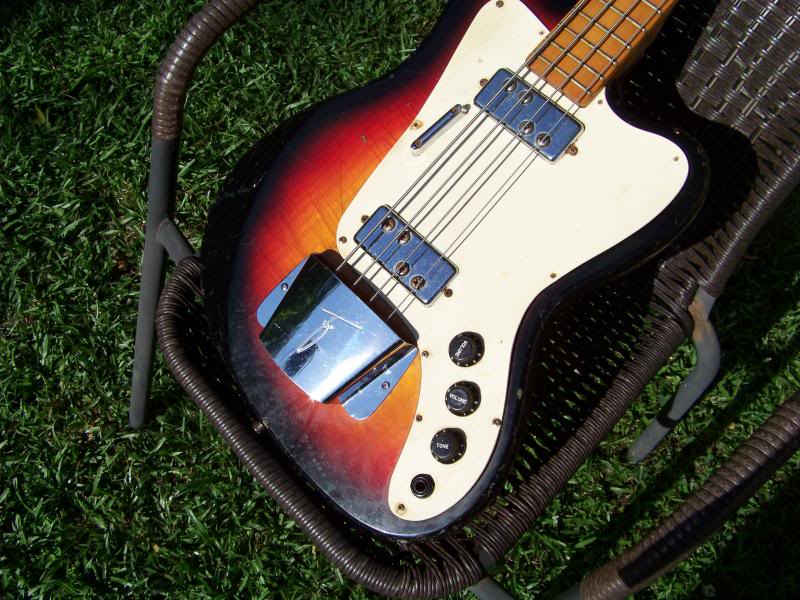
102_6064_zps832b5e52.jpg


102_6063_zps2805eddd.jpg
 
Replace the screws with appropriate substitutes. Store the original screws for the future. Clean the pickguard with soap and water. Then leave it alone. Anything beyond this simple cleaning will negatively affect the value. If the stains are really a sticking point, make a tracing of the pickguard and have a new one made. Save the old one for the future should you decide to sell the instrument.
 
Last edited:
Or you can scrape it with a razor blade and use micro mesh and plastic polish to bring it back to a factory new shine.

All are good suggestions for removing the stains.

However, none of these are to be recommended for use on a vintage guitar. Let us not encourage these techniques on a guitar with, albeit somewhat obscure, history.
 
Or you can scrape it with a razor blade and use micro mesh and plastic polish to bring it back to a factory new shine.

All are good suggestions for removing the stains.

However, none of these are to be recommended for use on a vintage guitar. Let us not encourage these techniques on a guitar with, albeit somewhat obscure, history.

To you and many others the stains are mojo and much coveted, to the owner its a stain that he wants to be gone. After all a new bass is a vintage bass without the wear or age. If you feel so strongly about it why not make him an offer he can't refuse?

I wouldn't want a classic car less than perfect, maybe he/she wants their bass the same way. It will have no impact on the serial number and they aren't talking about using a rattle can on it. But even if they were, so what? How many classic cars get custom colors with no impact on the vehicles value?
 
Last edited:
Few things
* Its an old bass, its called patina..
* As stated above but if you get a new guard, screw the old one to a board

* DO NOT I REPEAT DO NOT use an acid laced product. Not good advice guys... You risk deforming the plastic and weakening the small side of the plastic near the screws. Residual can melt your paint. Even if you clean the cleaner off, you can leave enough to cause damage. Trust me, I've been repairing basses longer than some of your parents know each other. My advice and its easy and simple. WD40 sprayed on a qtip an a soft tooth brush.... I still say leave it...

Do not use a blade- EVER..
Geez, this is not good advice..

Buff with a Dremel - This stuff can become brittle over time, ever see a guard disintegrate? Again - NOT good advice
 
To you and many others the stains are mojo and much coveted, to the owner its a stain that he wants to be gone. After all a new bass is a vintage bass without the wear or age. If you feel so strongly about it why not make him an offer he can't refuse?

I wouldn't want a classic car less than perfect, maybe he/she wants their bass the same way. It will have no impact on the serial number and they aren't talking about using a rattle can on it. But even if they were, so what? How many classic cars get custom colors with no impact on the vehicles value?


Please do not ascribe ideas to me that are not mine.

Mojo is a phantom. It is a product of one's imagination. Guitars are, typically, wood and wire. That's it. No brain. No soul. No amount of gris-gris dust can change that.


As far as making any material changes to an instrument that has achieved a certain age, suggesting that the owner do otherwise in these somewhat enlightened times is just plain bad advice. In this particular case, if the OP (who has been mute during this discussion) is so bothered by the stains, having a new pickguard made is the perfect compromise.

Respectfully submitted.
 
Last edited:
I do appreciate everyone's advice and opinions. I am not 100% certain yet how I will proceed but I have an idea.

When I bought the bass, it was filthy. There was an accumulation of dirt and dust under the bridge cover, the chrome was dull and dirty and the tuner screws were primarily philip head screws but there was one missing and another had been replaced with a slot head screw.

I replaced the tuner screws with new philips head screws from Stewmac. I cleaned the bass with a furniture cleaner/polish to remove the built up crud that was up under the pick guard and I shined the chrome to remove the dull appearance.

In my opinion, this was what was needed to make the instrument appealing to me. It still shows all the dings and scratches it has accumulated over the years but it looks better to me and I feel better about how it looks.

The rust stains are minor but they were caused by a previous owner who replaced the original screws with some larger ones that eventually rusted.

There is still rust on the chromed truss rod cover plate. I cleaned it but some rust remains and will be left as is.

I suppose it boils down to what my vision of a restoration is. I am not going to sand it down and refinish, just clean and protect from further deterioration.

The MOST important thing is that it sounds absolutely great, a lot better than some of the basses in my herd and it looks and functions well enough to me to gig it.

I will look into removing the rust stain on the pick guard. A friend suggested Cream of Tartar with an equal part of vinegar. I will experiment with it on the underside to see if there is any ill effect and update here once I have tried it.

Thanks to everyone for your input!