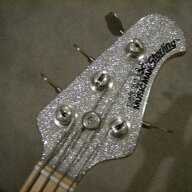
Lot of threads recently about these two basses. Just saw this in an email from EBMM and thought it was worth sharing. Enjoy!
StingRay Bass vs. Sterling Bass Comparison
By [Invalid or Expired Link Removed] on February 7, 2017 in Featured Posts, Instruments, Top Stories Posts
Here at Music Man we’ve become known for our heritage of quality bass guitars. From the long-running flagship StingRay Bass to the futuristic envelope pushing Bongo Bass, we’ve always had a consistent vision to fulfill the needs of the discerning bassist, as well as push the instrument forward. Today we’re going to shine the spotlight on two particular lines of basses: the StingRay and the Sterling.
Both of these instruments are tremendous tools in capable hands; deciding which one most closely meets your needs as a player comes down to a number of factors, which we break down in detail below.
Body
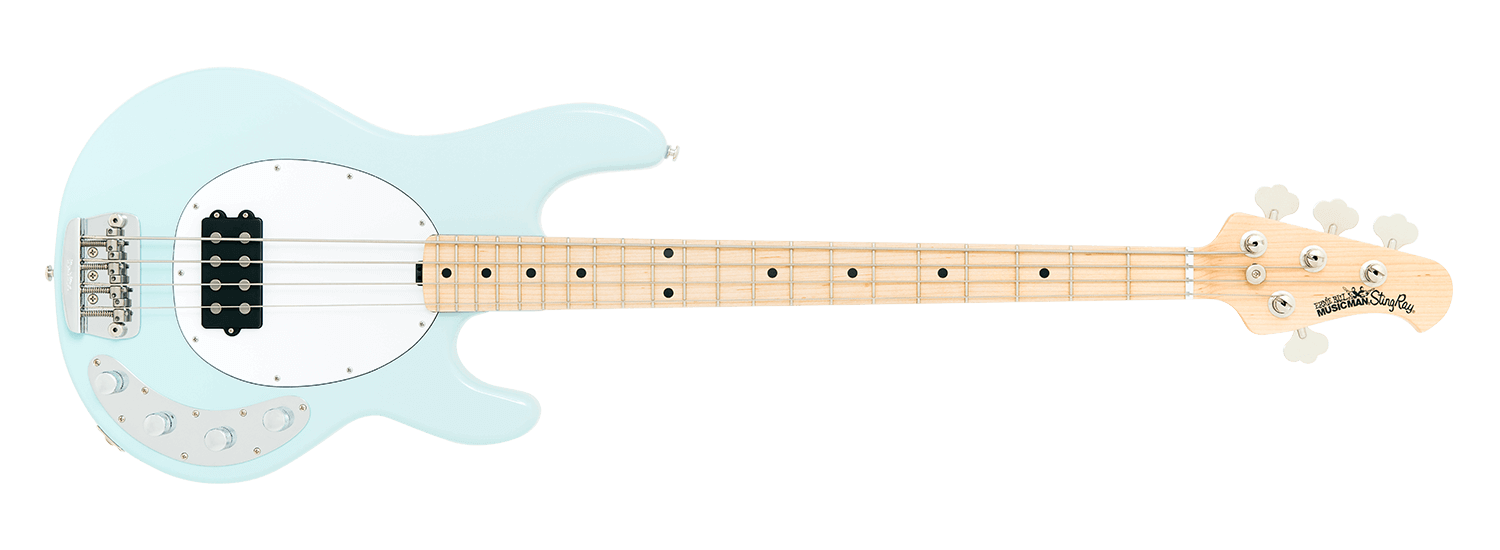
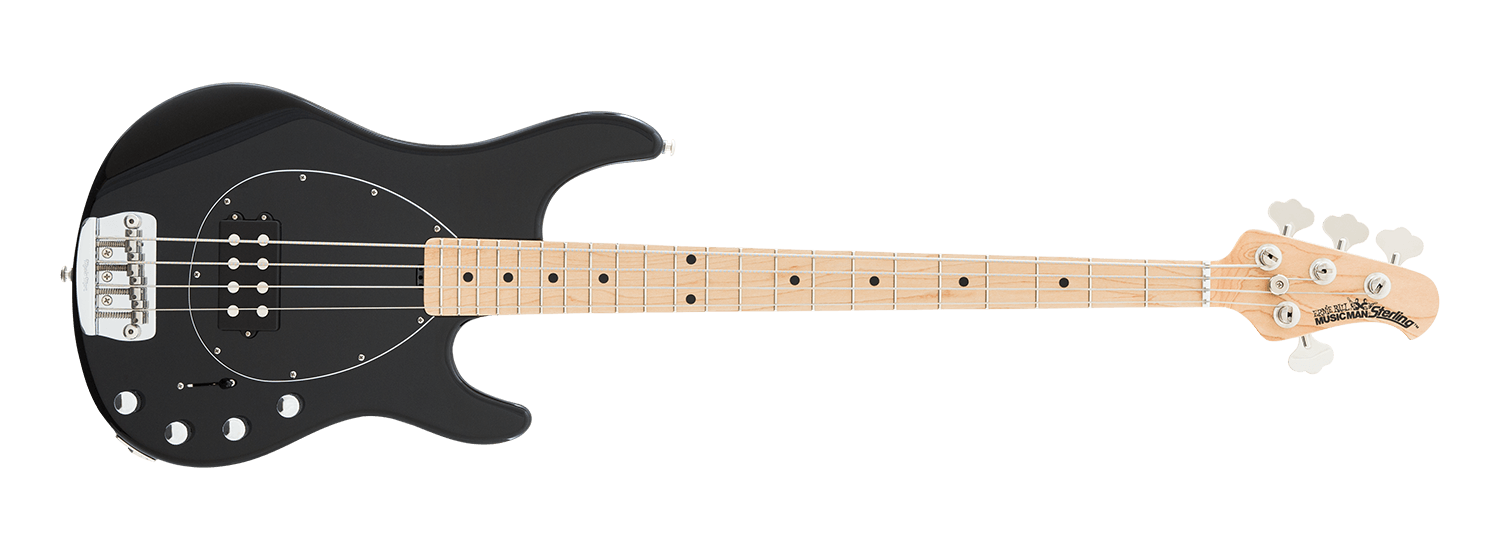
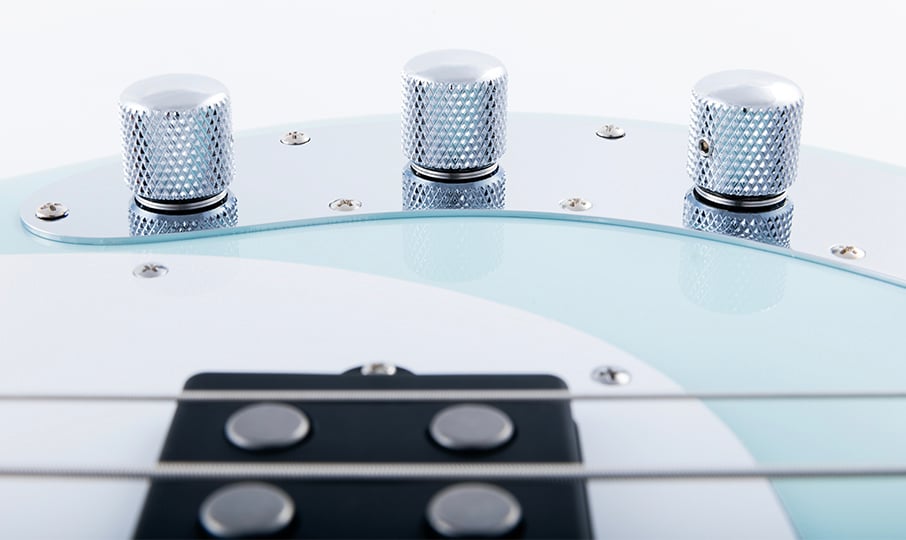
The StingRay body shape is iconic, with its telltale egg-shaped pickguard and chrome control plate. Both the Sterling and StingRay lines of basses feature Ash bodies with high gloss polyester finishes. The Sterling Bass, however, features a slightly more compact body than the StingRay, measuring in at 1 inch shorter in both length and width, saving 5oz overall in weight. The Sterling also forgoes the control plate, mounting the control knobs directly to the instrument’s body.

Electronics
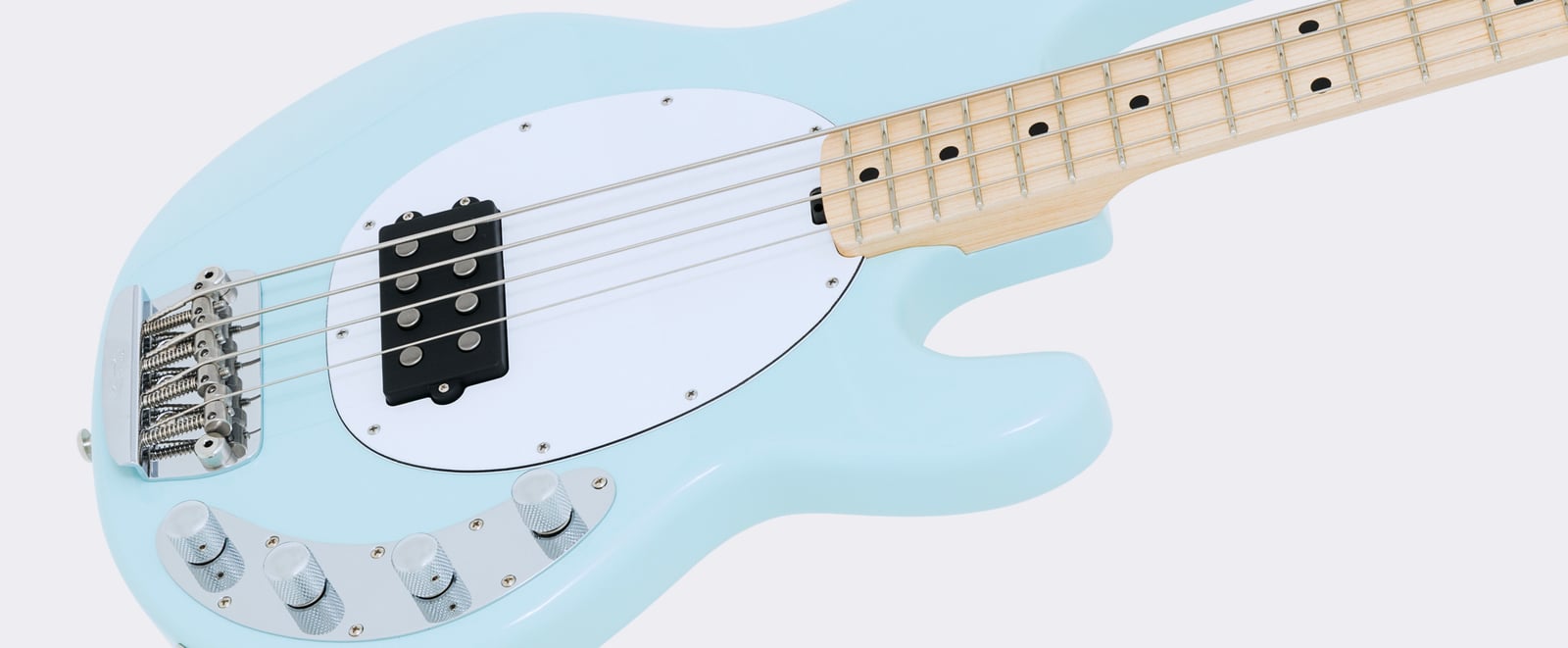
The StingRay features a famously punchy custom-wound Music Man single bridge humbucker in its original configuration, and was the first production bass at the time of its release to feature an onboard active preamp EQ. The Sterling model builds on that innovation by including a 3-way pickup selector that allows the user to select between either a series or parallel configuration for the humbucker, as well as a coil tap that allows the humbucker to act as a single coil with hum canceling. Sterling models also feature a ceramic pickup magnet, whereas StingRay models come equipped with Alnico magnets.

Neck Design
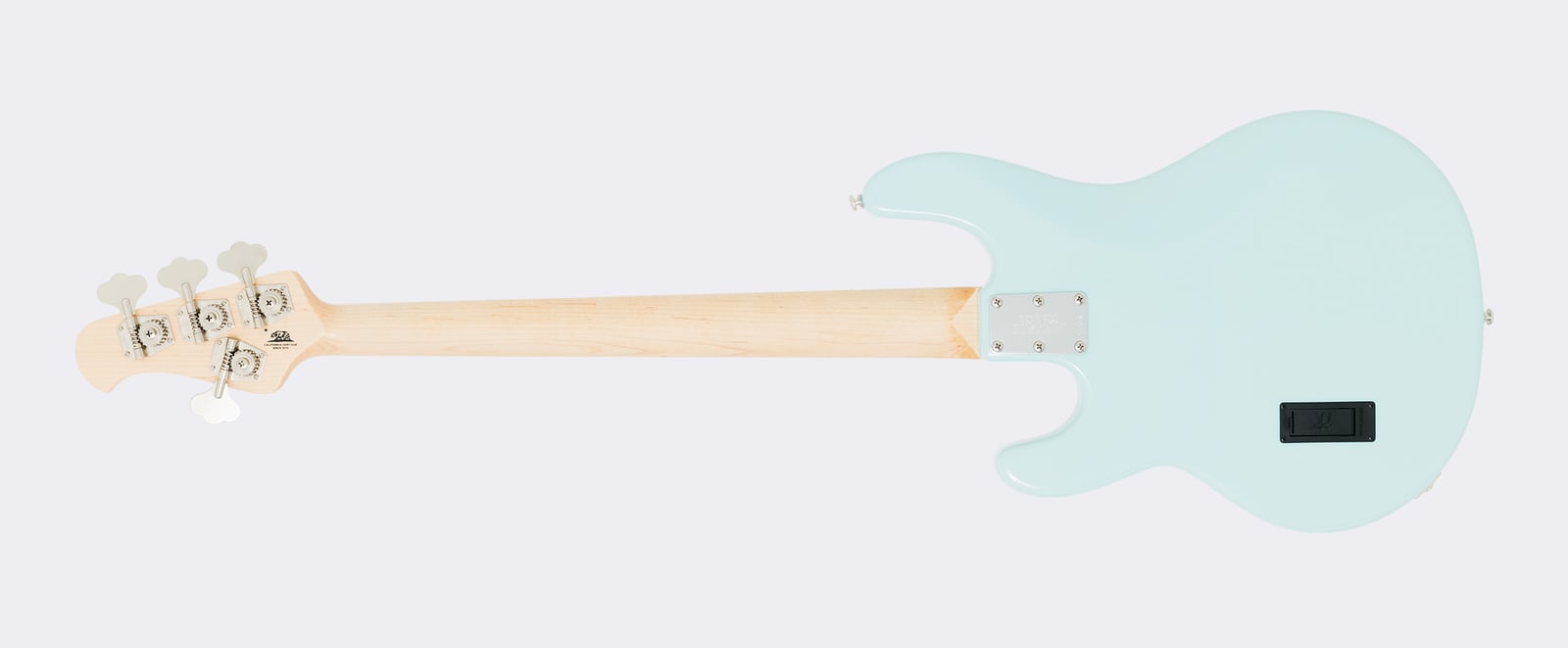
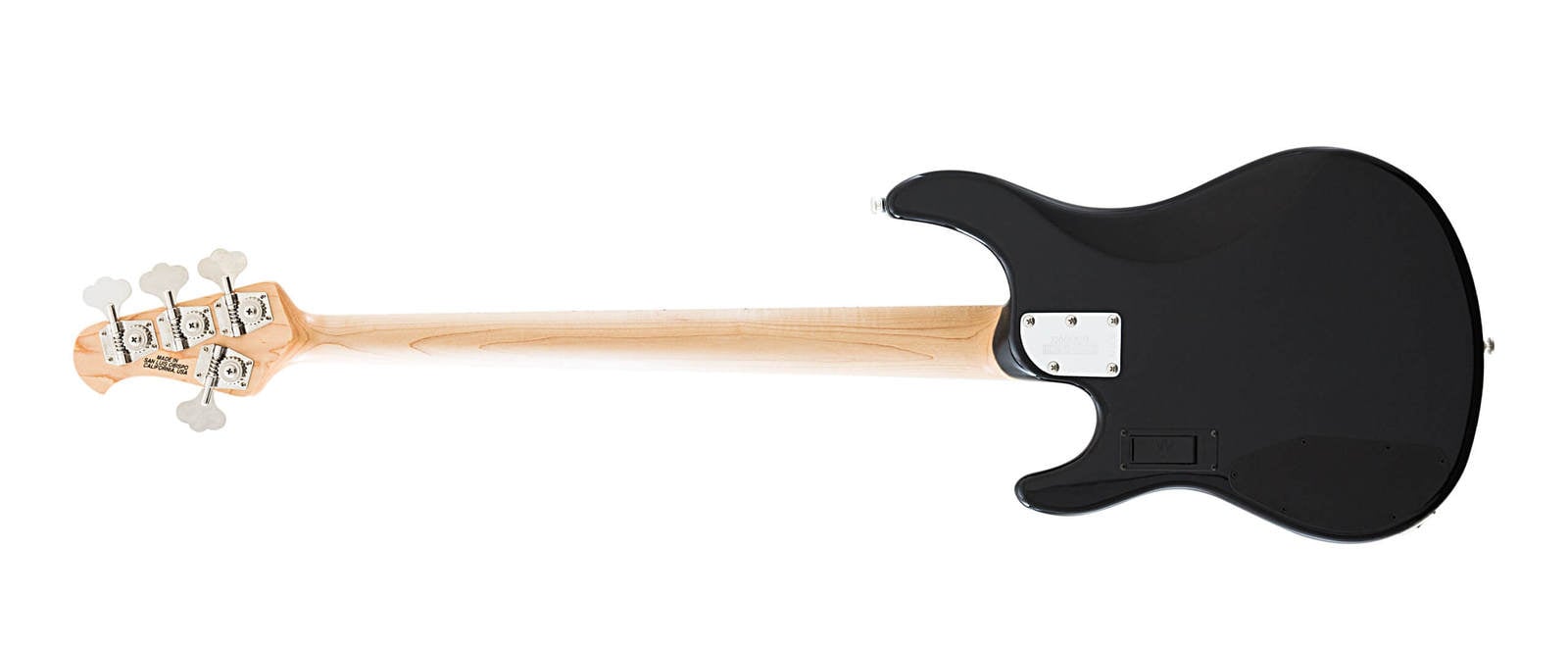
The StingRay has evolved from Leo Fender’s original design to feature a sturdy 6-bolt neck joint design, whereas the Sterling incorporates Music Man’s 5-bolt neck joint to allow for for our sculpted ergonomic neck joint that Ernie Ball Music Man guitars have become famous for.
The Sterling also features a narrower neck width at the nut, providing for an easier playing experience for those with smaller hands. This neck option is also available on the standard StingRay 4, known as the “SLO Special” for those in-the-know.
The Verdict
The StingRay has become iconic worldwide for its use as an invaluable tool for both funk and rock bassists for the last four decades, notably used by bass icons such as Louis Johnson, Flea, and Rick James. The Sterling bass has continued the innovations set down by the StingRay and has kept them moving forward.
If you’re looking for a classic, industry-standard bass that has stood the test of time, grab yourself a StingRay. If you’re looking for something just a bit smaller with updated electronics and a more ergonomic neck joint, that also features a more aggressive sound with pronounced midrange presence, the Sterling has your name all over it.
Bonus Content
You’ve read the specs and seen the photos, now hear for yourself what these two incredible basses sound like by watching their demo videos below, featuring bassist Joe Dart of Vulfpeck:
StingRay Bass vs. Sterling Bass Comparison
By [Invalid or Expired Link Removed] on February 7, 2017 in Featured Posts, Instruments, Top Stories Posts
Here at Music Man we’ve become known for our heritage of quality bass guitars. From the long-running flagship StingRay Bass to the futuristic envelope pushing Bongo Bass, we’ve always had a consistent vision to fulfill the needs of the discerning bassist, as well as push the instrument forward. Today we’re going to shine the spotlight on two particular lines of basses: the StingRay and the Sterling.
Both of these instruments are tremendous tools in capable hands; deciding which one most closely meets your needs as a player comes down to a number of factors, which we break down in detail below.
Body
The StingRay body shape is iconic, with its telltale egg-shaped pickguard and chrome control plate. Both the Sterling and StingRay lines of basses feature Ash bodies with high gloss polyester finishes. The Sterling Bass, however, features a slightly more compact body than the StingRay, measuring in at 1 inch shorter in both length and width, saving 5oz overall in weight. The Sterling also forgoes the control plate, mounting the control knobs directly to the instrument’s body.
Electronics
The StingRay features a famously punchy custom-wound Music Man single bridge humbucker in its original configuration, and was the first production bass at the time of its release to feature an onboard active preamp EQ. The Sterling model builds on that innovation by including a 3-way pickup selector that allows the user to select between either a series or parallel configuration for the humbucker, as well as a coil tap that allows the humbucker to act as a single coil with hum canceling. Sterling models also feature a ceramic pickup magnet, whereas StingRay models come equipped with Alnico magnets.
Neck Design
The StingRay has evolved from Leo Fender’s original design to feature a sturdy 6-bolt neck joint design, whereas the Sterling incorporates Music Man’s 5-bolt neck joint to allow for for our sculpted ergonomic neck joint that Ernie Ball Music Man guitars have become famous for.
The Sterling also features a narrower neck width at the nut, providing for an easier playing experience for those with smaller hands. This neck option is also available on the standard StingRay 4, known as the “SLO Special” for those in-the-know.
The Verdict
The StingRay has become iconic worldwide for its use as an invaluable tool for both funk and rock bassists for the last four decades, notably used by bass icons such as Louis Johnson, Flea, and Rick James. The Sterling bass has continued the innovations set down by the StingRay and has kept them moving forward.
If you’re looking for a classic, industry-standard bass that has stood the test of time, grab yourself a StingRay. If you’re looking for something just a bit smaller with updated electronics and a more ergonomic neck joint, that also features a more aggressive sound with pronounced midrange presence, the Sterling has your name all over it.
Bonus Content
You’ve read the specs and seen the photos, now hear for yourself what these two incredible basses sound like by watching their demo videos below, featuring bassist Joe Dart of Vulfpeck:
Last edited: