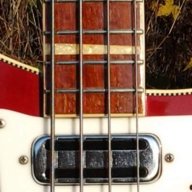
Sometimes I do, sometimes I do not. But I do not have a hard/fast rule about always/never playing open strings. Different songs and patterns call for different approaches.

TalkBass has been independent since 1998. Add your voice.
Create a free account to reply to discussions, view embedded media, and browse with fewer display ads.
Join free Log in
Want zero display ads or expanded classifieds tools? Compare plans.

I love using open strings, and sticking to open or first positions, primarily because of Jamerson. I also like the way each key takes on its own unique physical feel. The "box" patterns sort of lead you to certain chromatic choices by virtue of being easier to fret for that shape, like a 3-4- b5-5 run in a major scale. When you switch to open positions the easier to fret chromatic notes move around, implying different choices.Sir James used open strings in his playing to increase his speed.

Koo Koo KazooDon't worry. Kazoos don't actually exist.




Schrödinger's bass. Play an open string and it explodes.There's a great movie idea, like Speed, but for basses. A deranged madman has put explosives in your bass and once you start playing, you can't play an open note or it will explode. The screenplay practically writes itself.
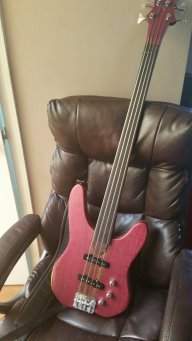


You can’t dust for open notes.Like spinal tap for bassists. “What happened to your third bass player?” Oh, that was sad. Open E string got him.

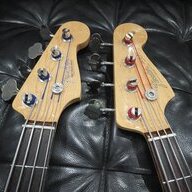
I've been imagining using a rubber band to go around the neck, right up against the nut on the fingerboard, and underneath the strings, to better match the open string to the closed notes on a fretless. Not unlike the felt on a Chapman Stick, actually. Anyone ever heard of something similar?In 99% of cases I avoid open strings when I play fretless, which is about 80% of the time. The timbre of the note is different to that of the stopped notes.