• TalkBass has been independent since 1998. Add your voice.
    Create a free account to reply to discussions, view embedded media, and browse with fewer display ads.
    Join freeLog in
    Want zero display ads or expanded classifieds tools? Compare plans.

Stripped Truss Rod

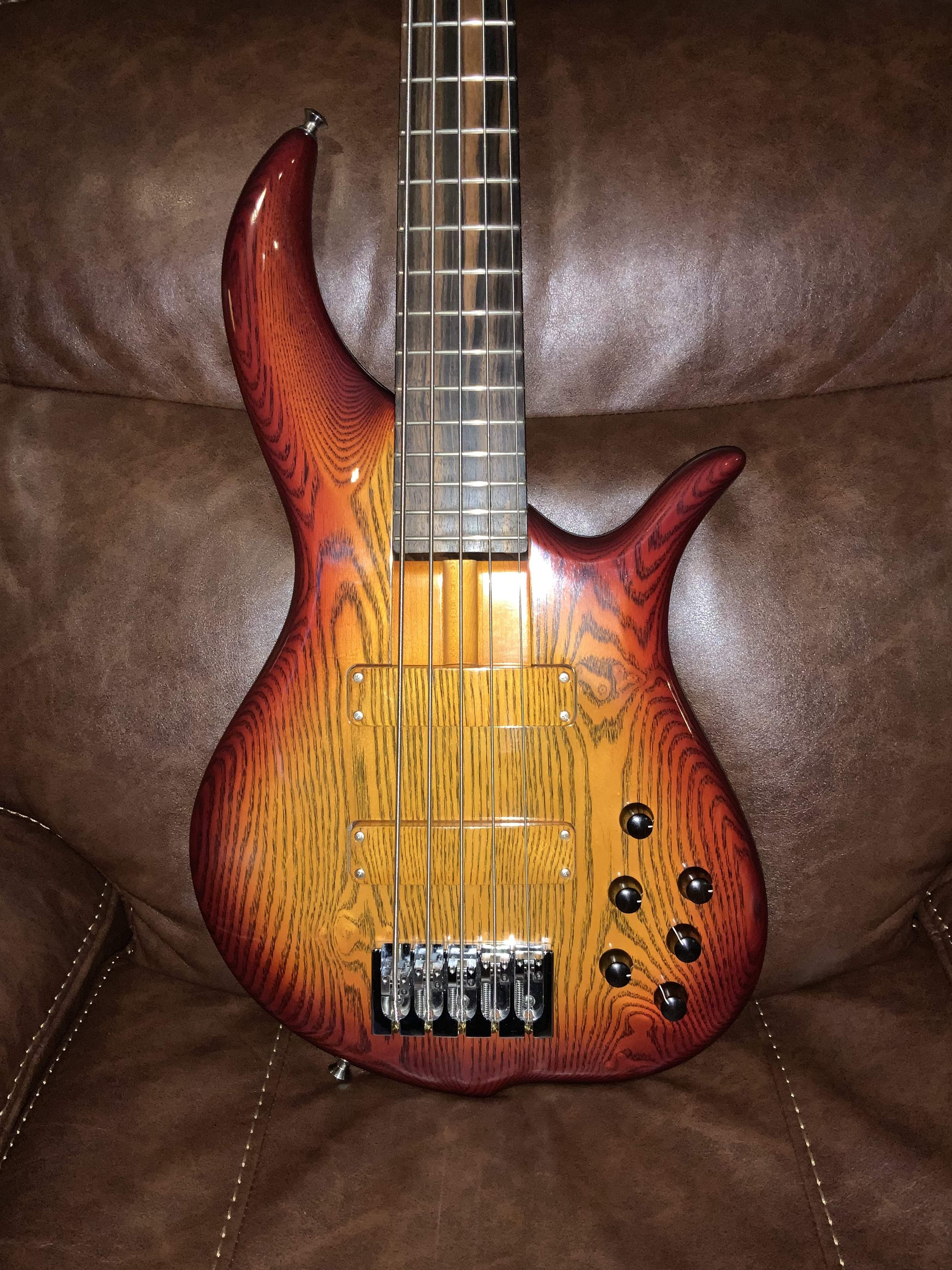
Just purchased an F Bass on Reverb. Needing to adjust the action, I see that the truss rod is stripped. Is there any repairs or do y’all have any suggestions?
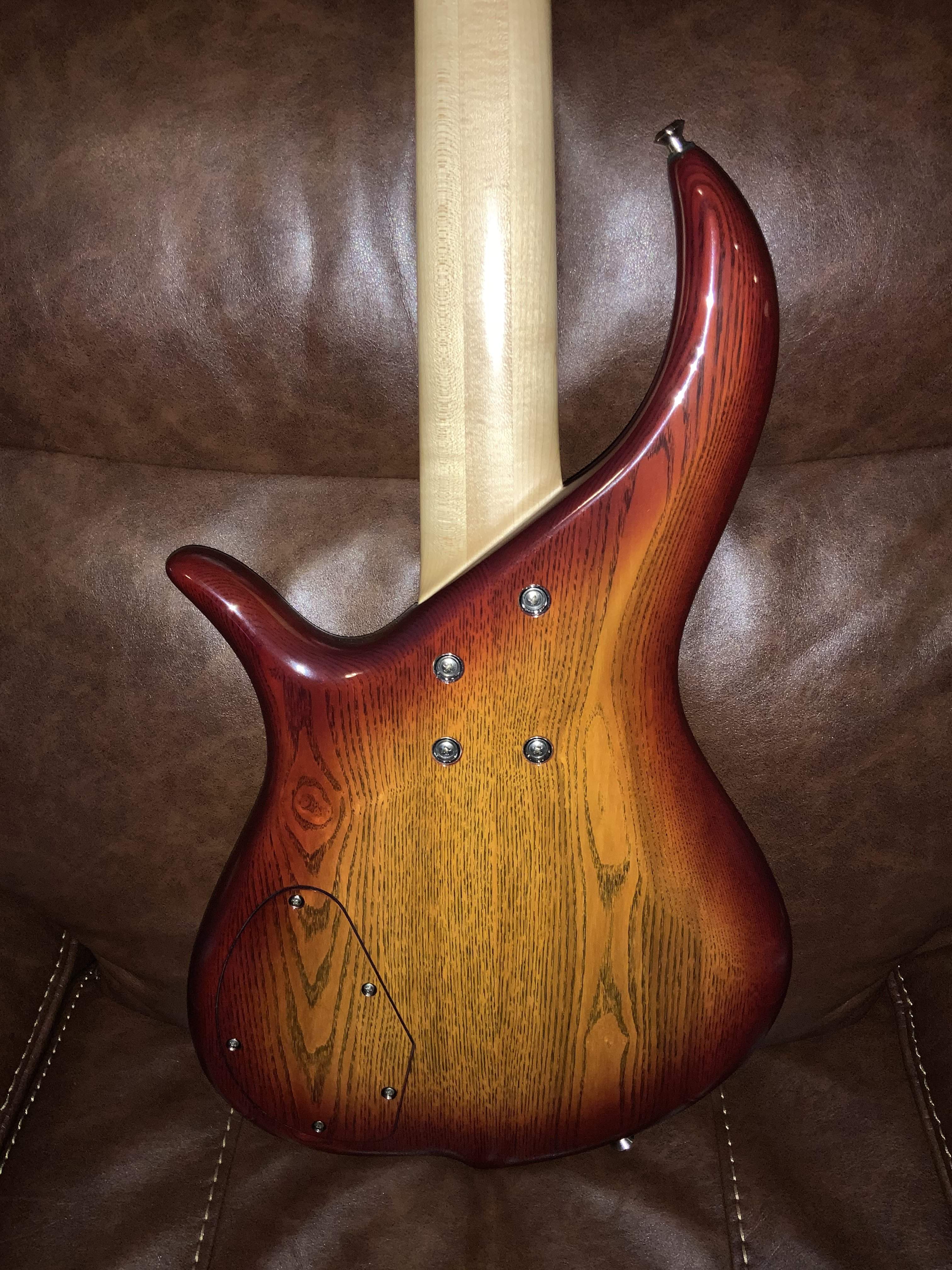
3CC4BC1B-854C-4EC2-84D9-8F5BF7E72A4F.jpeg
D7348129-185D-43AF-878D-9014FD41FA62.jpeg
 
Hiya,

By "Stripped" do you mean the adjustment hex/slot is rounded and a wrench won't fit on, OR when you turn the adjustment, it just spins and doesn't tighten to pull the neck straight?

There is a repair forum here to post questions that a good many luthiers frequent, that would be a better place to post this question with the above question answered in your post.

Tom
 
Where the wrench won't lock in, in new to this site.
Hi Julian, welcome to TalkBass.

I don't see any specs on the F Bass site regarding truss rod type, dual action or double rods. It's a bolt on which makes things slightly easier, a stud extractor could be used to turn the TR but that is a botch job :thumbsdown:

I'd suggest in the first instance ,an email to F Bass asking in the nut is removable. If it is then the stud extractor will do. Bang it in until it bites then unscrew. Replace the nut,likely it's metric so keep all SA tools in another room :) If it's not removable then you could be looking at surgery. Fret board steamed off and replace the whole TR unit.

F Bass Site Support | F Bass, Inc
 
Julian,
OK, so I'm going to assume the adjustment either a hex nut or hex socket, am I correct? If so, here's a few tips, if its a hex nut, make sure you're using a wrench or socket that has a thin enough diameter to fit in the truss rod cavity and onto the nut square, mechanic sockets and wrenches have thicker walls than truss rod sockets as they are designed for higher torque specs found in automotive applications. Also, the less expensive an automotive tool is, the thicker the walls will be to make up for less expensive steel.

If the rod adjustment is a hex socket requiring an "allen wrench" or "hex key" make sure you have enough clearance to insert the key into the rod end hex, you may need to use what's known as a "short" or "Stubby" end key, the "L" portion is very short and it allows the key to fit into tight spaces and sit into the hex properly. Also, make sure of the size of the hex, some instruments use metric sized hex sockets and although an american hex key will fit, it runs a high risk of slipping and damaging the socket.

Good luck,
Tom
 
Julian,
OK, so I'm going to assume the adjustment either a hex nut or hex socket, am I correct? If so, here's a few tips, if its a hex nut, make sure you're using a wrench or socket that has a thin enough diameter to fit in the truss rod cavity and onto the nut square, mechanic sockets and wrenches have thicker walls than truss rod sockets as they are designed for higher torque specs found in automotive applications. Also, the less expensive an automotive tool is, the thicker the walls will be to make up for less expensive steel.


If the rod adjustment is a hex socket requiring an "allen wrench" or "hex key" make sure you have enough clearance to insert the key into the rod end hex, you may need to use what's known as a "short" or "Stubby" end key, the "L" portion is very short and it allows the key to fit into tight spaces and sit into the hex properly. Also, make sure of the size of the hex, some instruments use metric sized hex sockets and although an american hex key will fit, it runs a high risk of slipping and damaging the socket.

Good luck,
Tom


Here is a picture of the truss rod, please advise

20200402_230029.jpg
 
Unless you want to absolutely keep the bass and willing to sink even more money into repairs, I'd just return it for a refund. As mentioned above...."never been touched" is a lie, obviously someone has as it doesn't get stripped on it's own. Also no telling what the condition the rod is in too as you can't turn it, to be stripped like that, it looks like he was using the wrong size allen key, tried to tighten it, got to the point where it couldn't tighten anymore, still tried to turn it which just dug more into the nut and ruined it. Too many "ifs" and uncertainties...I'd return it personally.
 
Last edited:
From the pictures of that collar, it seems likely (and we can hope) that the OP wasn't getting a correct sized wrench all the way seated down into the nut, and that with the correct tool and procedure, will be able to turn it.

This is going to be a nail biter until we find out for sure........... I'm desperate for entertainment.

Please update us ASAP!!!
 
  • Like
Reactions: mcnach
Please see below pictures. There is a collar before the actual socket for adjusting the trussrod. The folks at Fbass are great too, if you like the bass, please reach out to them with your questions; the last time I sent an e-mail I received a response directly from George himself. :)

View attachment 3771182 View attachment 3771184
Thanks for posting this, that's what I thought I was seeing in the OP's picture, but not familiar with F bass. What size wrench?
 
Per F bass the BN5's have a Two-Way Truss Rod adjustable with a 4mm ( 5/32" ) wrench.

I've used both in my BN5 and the 4mm wrench is ever so slightly more snug so that is what I prefer.
 

Latest posts