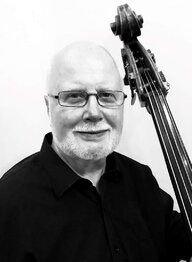
While surfing around I found this on Jason Heath's Blog:
Invalid Link Removed
Some of these tips are very good in general but a lot of them apply to a specific theatre and it's acoustic properties. And others might (although I'm not certain) aplly just because of the quality of the instruments used in the orchestra in question.
The list is apparently handed out to extra players coming to the orchestra so they can adjust and 'fit in' more quckly. If this was a list of things that a bassist should know in general then shouldn't he be taught them at school?
In the GNO we have some conventions about how loud and where to play, about accopanying with pizzicati, cello/bass divisi etc.
Have a read of this article and post your own thoughts and conventions.
Maybe this thread could become a repository for other interesting ideas about section playing.
FC
Invalid Link Removed
Some of these tips are very good in general but a lot of them apply to a specific theatre and it's acoustic properties. And others might (although I'm not certain) aplly just because of the quality of the instruments used in the orchestra in question.
The list is apparently handed out to extra players coming to the orchestra so they can adjust and 'fit in' more quckly. If this was a list of things that a bassist should know in general then shouldn't he be taught them at school?
In the GNO we have some conventions about how loud and where to play, about accopanying with pizzicati, cello/bass divisi etc.
Have a read of this article and post your own thoughts and conventions.
Maybe this thread could become a repository for other interesting ideas about section playing.
FC