• TalkBass has been independent since 1998. Add your voice.
    Create a free account to reply to discussions, view embedded media, and browse with fewer display ads.
    Join freeLog in
    Want zero display ads or expanded classifieds tools? Compare plans.

weird translucent end layer after removing paint

As many said, if you decide to sand and remove the filler, you might find an ugly wood finish. But you can always do like Fender did on my MIM: just glue a veneer of a nice looking wood on both sides. You can even buy a quilted maple or flamed maple veneer of 1mm thick. I assume this is how Sire does its finishes and still remains price competitive. And to avoid the ugly looking on the sides of the instrument, simply tint them with a dark color.
 
Is it bad that I suddenly want to paint a bass beige with faux wood panels? :laugh::roflmao:
Beige is good. But green is better.
01962D48-4C45-41B0-B7E7-1E6DC95DF9B8.jpeg
 
Make sure you do plenty of grain filler before the primer coat. I couldn't believe how much the primer, and then the paint, soaked into the grain on my travel bass. It makes me think that they clear dip these cheaper bodies in a thick clear coat as they know the wood will just soak up paint otherwise.
 
Even with a sunburst you might have surprises. I sanded a MIM jazz bass, and discovered a 7 pieces body, covered with a really thin veneer of alder for the look. Fortunately, I was able to remove the clear coat without removing the veneer in the back. And on top I got 4mm of wood removed to glue a nice flammed maple top.
Since it was flammed maple, I used black ink to get the flamming visible, and simple used extra ink on the edges to hide the multiple pieces.

Oh by the way, now the body is indeed thiner than a standard jazz bass. But I find it to sound better than my home made 2 pieces ash body jazz bass, despite those anoying 7 pieces.

View attachment 4791642
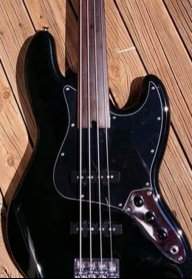
Thats a sweet looking bass....had to comment..:cool:
 
  • Like
Reactions: Theobald