• TalkBass has been independent since 1998. Add your voice.
    Create a free account to reply to discussions, view embedded media, and browse with fewer display ads.
    Join freeLog in
    Want zero display ads or expanded classifieds tools? Compare plans.

What does "class A" mean?


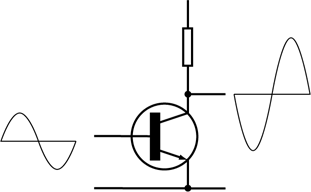
Even if you're too stupid to read, the picture makes it perfectly obvious:

Electronic_Amplifier_Class_A.png


DUH!!

:p
 
Even if you're too stupid to read, the picture makes it perfectly obvious:

Electronic_Amplifier_Class_A.png


DUH!!

:p

except that picture seems to invert it for some reason which Class A amps don't do!

Class A means that the power amp runs at full current the whole time and amplifies the whole signal. They're rarely more than 10watts so if you see a class A amp that is bigger than that it's pure marketing mumbo jumbo ie. Vox ac30s
 
aaaaaaa...no. This is alot easier to understand. You may have to read it a couple of times, I thought it was great. Alot of good info on that tab. I have alot of new found respect for Randall Smith. So much so, I will be purchasing Mesa in the future.
 
It's pretty simple really.

The device used whether tube or transistor is BIASED so it is in conduction 100% through 100% of the input signal. You need to know how an amplifier works.

Lets just discuss tube amplifier. If the tube was unbiased and allowed to just conduct the tube would heavily conduct and do nothing but make heat.

A bias voltage is put on a control grid to do exactly that control the current flowing through the tube.

The cathode is Negative plate voltage and the anode is the positive point. This bias voltage placed on a grid located between the cathode and plate slows down the conduction, the higher the NEGATIVE voltage in respect to the cathode the more the tube is throttled down.

With enough negative voltage on the cathode the tube can be completely cutoff.

The input signal is placed also on this control grid and as its voltage varies up and down at the frequency of the music, the signal pulses from zero volts to positive and then swings negative and back again at the frequency of the note.

This signal is at a much smaller value than the control grids high negative bias value but the combined bias and signal voltage cause a HUGE variation in the current flow through the tube.

This small voltage to huge current flow change is how the amplifer works. The current flow changes in the primary of the output transformer causes voltages to be induced in the output transformer secondary winding and makes the voice coil move on the speaker.

OK back to CLASS... A class A amplifier is biased to conduct current in the final amplifer tube 100% of the input signal's cycle. Preamps are usually run this way and makes for a very pure amplified signal. A tube has a plate dissapation limit for heat. When there is no signal present in a class A amp it is still conducting like there is signal present. Very clean amp and very inefficient power and heat wise.

This is also a single ended amplifier as there is just one amplifying device. If you used a large enough tube and used a big enough fan, you could build a super large class A amplifier and that is what the esoteric audio guys are doing using 833's and other broadcast triodes with 450 watts dissapation tubes as giant clean class A amps. They also get $80,000 for their trouble for a pair of stereo channels.

A Class B amplifer on the otherhand is biased to cut off the final amplifier tube through 50% of the input signal's cycle. When the tube cuts off it is allowed to cool for 180 degrees; half of the 360 degree signal cycle or 50% of the time. The problem with this class B is you only amplify half the signal and it would sound like crap without putting the other half of the signal back somehow.

In RF circuits the output circuit FLYSBACK and induces the other half back in the amplifiers tank ciruit (the equivellence to a power transformer) however at AUDIO the ability to flyback cleanly doesn't exist in such a huge heavily inductive device so that half must be regenerated instead.

SO we use another method instead of a single ended amplifier; in push-pull they split the input signal positive and negative and send each half to two different amplifiers. The positive cycle to one set of tubes and the negative part of the cycle to the other set of tubes.

Each set of final tubes conducts in exactly 180 degree increments cooling in the other 180 degrees and the output is fed to each end of the output transformer. The transformer puts the two halves of the signal back together....

SO even at audio a perfectly biased CLass B amp could make 100% undistorted beautifully reconstructed audio... Well not quite.

You'd need to be constantly tweaking this amp over time. Tubes aging and voltage changes... The manufacturers have lazily decided to run the P-P amps class AB.

All that is is a sliding of the bias towards conducting a little bit more current during the tubes rest period.

This allows for imperfections in componants and a crumby barely regulated POS bias supply to still make a complete more non-distorted sign wave at the output.

A guitar amp is really a truly POS audio wise. That's why a tube amp breaks up and does the distortion game. This would never be allowed to happen in the Audiophile World.

Class C is only good for RF amps making morse code, digital, or AM amplified carrier based amplifiers (cut off to less than even 180 degrees of the cycle)

And class D is completely different and uses other processes.

Hope you followed this. BOB

PS yes I have done 11 maybe 11.5
 
It's pretty simple really.

The device used whether tube or transistor is BIASED so it is in conduction 100% through 100% of the input signal. You need to know how an amplifier works.

Lets just discuss tube amplifier. If the tube was unbiased and allowed to just conduct the tube would heavily conduct and do nothing but make heat.

A bias voltage is put on a control grid to do exactly that control the current flowing through the tube.

The cathode is Negative plate voltage and the anode is the positive point. This bias voltage placed on a grid located between the cathode and plate slows down the conduction, the higher the NEGATIVE voltage in respect to the cathode the more the tube is throttled down.

With enough negative voltage on the cathode the tube can be completely cutoff.

The input signal is placed also on this control grid and as its voltage varies up and down at the frequency of the music, the signal pulses from zero volts to positive and then swings negative and back again at the frequency of the note.

This signal is at a much smaller value than the control grids high negative bias value but the combined bias and signal voltage cause a HUGE variation in the current flow through the tube.

This small voltage to huge current flow change is how the amplifer works. The current flow changes in the primary of the output transformer causes voltages to be induced in the output transformer secondary winding and makes the voice coil move on the speaker.

OK back to CLASS... A class A amplifier is biased to conduct current in the final amplifer tube 100% of the input signal's cycle. Preamps are usually run this way and makes for a very pure amplified signal. A tube has a plate dissapation limit for heat. When there is no signal present in a class A amp it is still conducting like there is signal present. Very clean amp and very inefficient power and heat wise.

This is also a single ended amplifier as there is just one amplifying device. If you used a large enough tube and used a big enough fan, you could build a super large class A amplifier and that is what the esoteric audio guys are doing using 833's and other broadcast triodes with 450 watts dissapation tubes as giant clean class A amps. They also get $80,000 for their trouble for a pair of stereo channels.

A Class B amplifer on the otherhand is biased to cut off the final amplifier tube through 50% of the input signal's cycle. When the tube cuts off it is allowed to cool for 180 degrees; half of the 360 degree signal cycle or 50% of the time. The problem with this class B is you only amplify half the signal and it would sound like crap without putting the other half of the signal back somehow.

In RF circuits the output circuit FLYSBACK and induces the other half back in the amplifiers tank ciruit (the equivellence to a power transformer) however at AUDIO the ability to flyback cleanly does exist in such a huge heavily inductive device so that half must be regenerated instead.

SO we use another method instead of a single ended amplifier; in push-pull they split the input signal positive and negative and send each half to two different amplifiers. The positive cycle to one set of tubes and the negative part of the cycle to the other set of tubes.

Each set of final tubes conducts in exactly 180 degree increments cooling in the other 180 degrees and the output is fed to each end of the output transformer. The tranformer puts the two halves of the signal back together....

SO even at audio a perfectly biased CLass B amp could make 100% undistorted beautifully reconstructed audio... Well not quite.

You'd need to be constantly tweaking this amp over time. Tubes aging and voltage changes... The manufacturers have lazily decided to run the P-P amps class AB.

All that is is a sliding of the bias towards conducting a little bit more current during the tubes rest period.

This allows for imperfections in componants and a crumby barely regulated POS bias supply to still make a complete more non-distorted sign wave at the output.

A guitar amp is really a truly POS audio wise. That's why a tube amp breaks up and does the distortion game. This would never be allowed to happen in the Audiophile World.

Class C is only good for RF amps making morse code, digital, or AM amplified carrier based amplifiers (cut off to less than even 180 degrees of the cycle)

And class D is completely different and uses other processes.

Hope you followed this. BOB

That's exactly what I was about to say.
 
Ok guys or gals, I am amplification ignorant. What does it mean when an amp is described as "class A"? How many classifications are there? What determines the classification? Is there an amp that goes to 11?

I know we are all joking around and having some fun here, but there is a serious problem with the concept of the numbers on your volume knob. Of course this misconception is far more common among guitarists than bass players, but it does exist especially among bass noobs.

The idea is that there is some relationship between the numbers on the volume knob (1 -10) and the power the amp puts out. This idea is the basis of the joke of a knob that goes to "11" implying 10% more power output.

The confusion here is between power output and GAIN. It's not even possible (or shall we say extremely difficult) to even try to set up an amp so "10" represents the maximum power (loudness) available from it. Why? Because the power OUT of the amp depends on the signal level INTO it! So where you have the volume control set on your bass or how "hot" it is etc. will all change which number corresponds to which amount of power out. In fact how hard you play the bass (It's all in the fingers) is in itself a big factor. The thing that REALLY matters is the amp power meter or clipping light if it has one. That one truly will be saying that, yes, you are at the limits of that amp.

But we've all seen noobs here going on and on about "I was getting tremendous volume out and the knob wasn't set past ten o'clock" (or some knob number). Just meaningless jibber jabber dudes.
 
Even if you're too stupid to read, the picture makes it perfectly obvious:
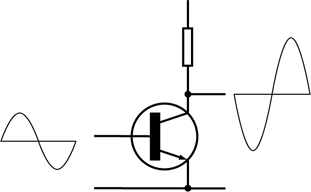
Electronic_Amplifier_Class_A.png


DUH!!

:p

Which is why everyone uses class D:
400px-Pwm_amp.svg.png


much simpler.

Thank you for these. I didn't understand; then I looked at these; and now I understand. Et viola.

This thread should provide further clarity.

And this chart helped me, too, in a related matter.

Subscribed.

--Bomb :bassist: