Yet another useless "what if" thread to waste some time and guess in hindsight 
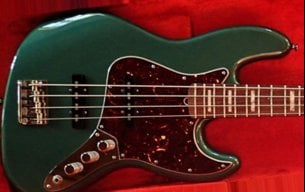
Besides the J/P iconic status as a duo, we can say that the P has a true "iconic" status-quo, and also comes up to most people's minds as "the bass that started it all".
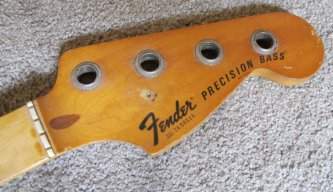
Yet, when we picture said bass, we mostly refer to the 57 split-coil P version, which was quite objectively a fairly different instrument in its third iteration (with the 54 in between): besides ergonomics, the electronics were different and in a slightly different spot, the hardware was different (the 4-saddle bridge and stringing method was a major change for things to come too) and the visuals changed quite a bit too, with a tactile impact given by the different pickguard/control plate, rounder horn contour and a different headstock.
Probably not quite as different as a 57 P vs J, but some might even argue that.
So, my thoughts were: if Leo Fender decided to brand the new bass in 57 as a different model (say, the "Noiseless" bass ) just like he later did with the J, would we still perceive the split-coil as the iconic bass it is nowadays? Would it rather be the 51/54 version instead? Granted, the "new" P replaced the previous different design and didn't join it as a second option like the J did, I'm aware of that.
I know this thread is a time waster, but I am really wondering if marketing had a substantial role in writing the history of electric bass in its early days. What do you think?
Besides the J/P iconic status as a duo, we can say that the P has a true "iconic" status-quo, and also comes up to most people's minds as "the bass that started it all".
Yet, when we picture said bass, we mostly refer to the 57 split-coil P version, which was quite objectively a fairly different instrument in its third iteration (with the 54 in between): besides ergonomics, the electronics were different and in a slightly different spot, the hardware was different (the 4-saddle bridge and stringing method was a major change for things to come too) and the visuals changed quite a bit too, with a tactile impact given by the different pickguard/control plate, rounder horn contour and a different headstock.
Probably not quite as different as a 57 P vs J, but some might even argue that.
So, my thoughts were: if Leo Fender decided to brand the new bass in 57 as a different model (say, the "Noiseless" bass
) just like he later did with the J, would we still perceive the split-coil as the iconic bass it is nowadays? Would it rather be the 51/54 version instead? Granted, the "new" P replaced the previous different design and didn't join it as a second option like the J did, I'm aware of that.I know this thread is a time waster, but I am really wondering if marketing had a substantial role in writing the history of electric bass in its early days. What do you think?
Last edited:

 .
.