I'm wondering what location people like to have their output jacks. Please explain or share photos of your preferred location and why. Manufacturers and small builders use different locations with different reasonings, but really, what's your favorite and why?
Here are some examples of the items listed in the poll for reference - any others you can think of, or like to see?
Front Jack: Often on a pickguard, or mounted to the front. For this poll, this refers to the jack sticking straight out of the body. Could be 1/4" or locking styles.

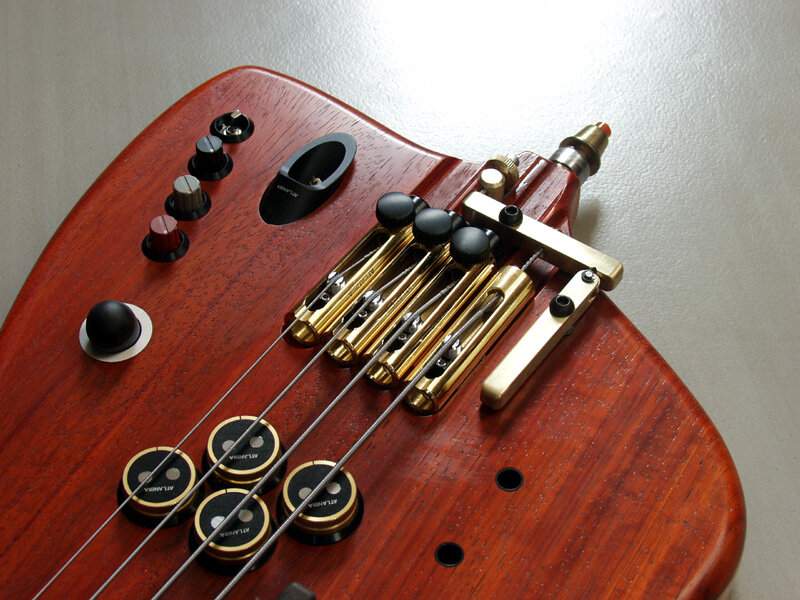
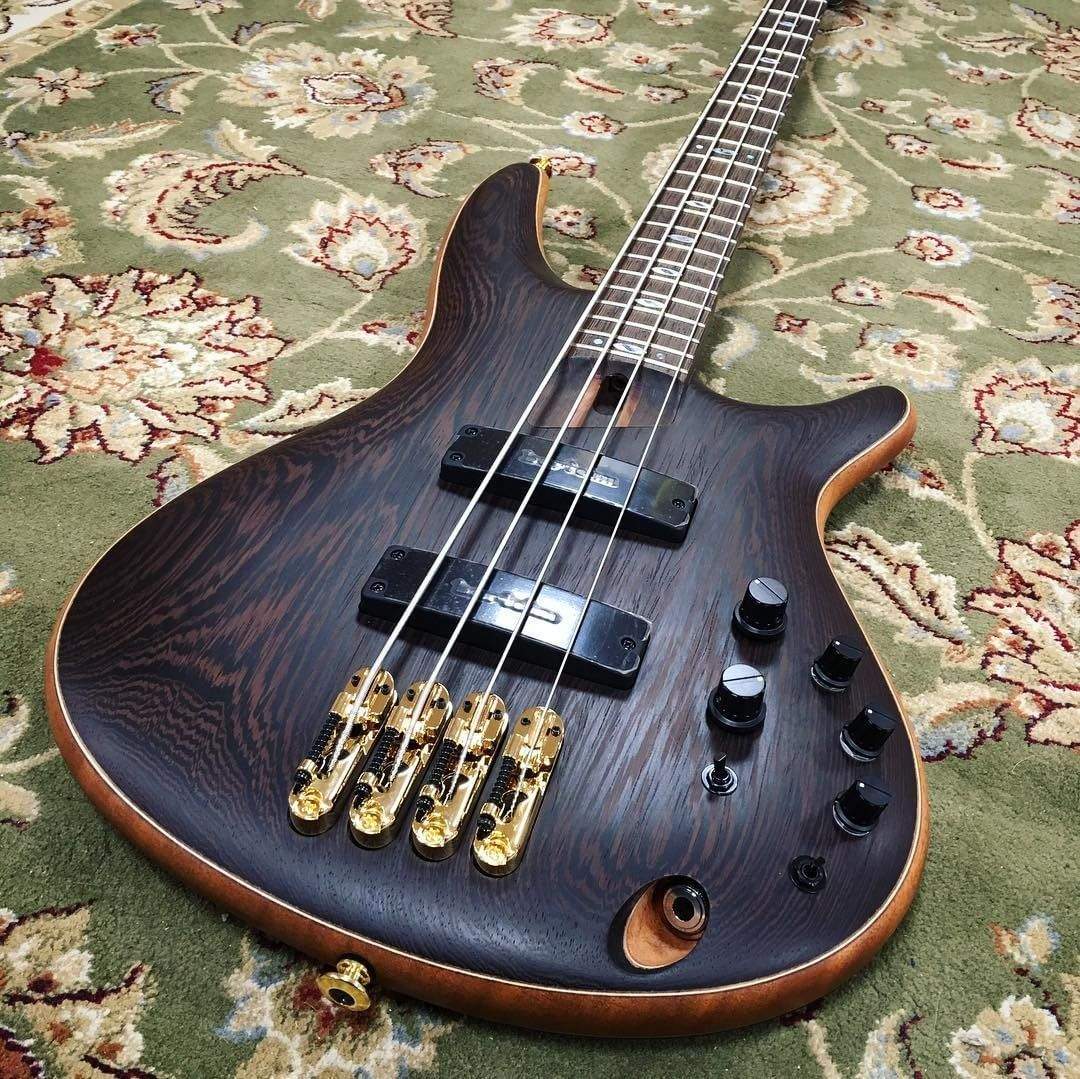
Angled Front Jack: Jack mounted on the front of the body, but uses a mounting style to have it pitch the cord at an angle to the body. Examples:
Atlansia:
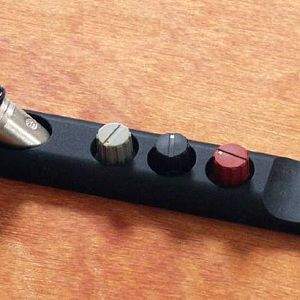
Ibanez SR:
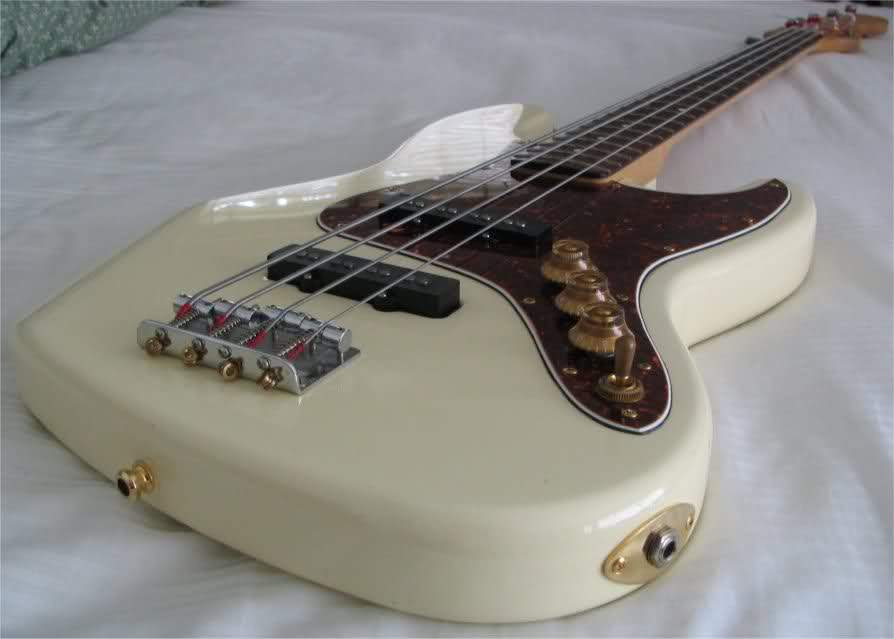
Strat Jack:

Side Jack: often seen on guitars, but a classic on many basses as well.


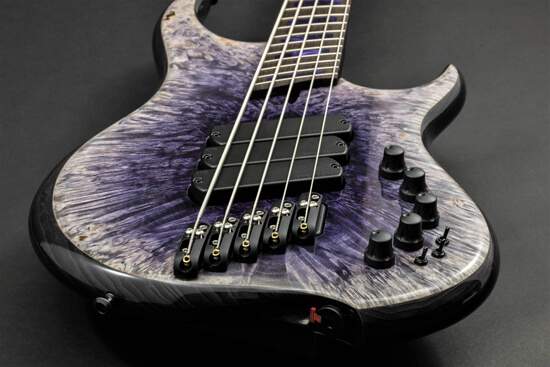
Tail Jack: Dingwall is probably the best example, but I've seen other similar ones. In this case, the jack is at the tail of the bass, often pitched at an angle to let the cord hang over the strap.

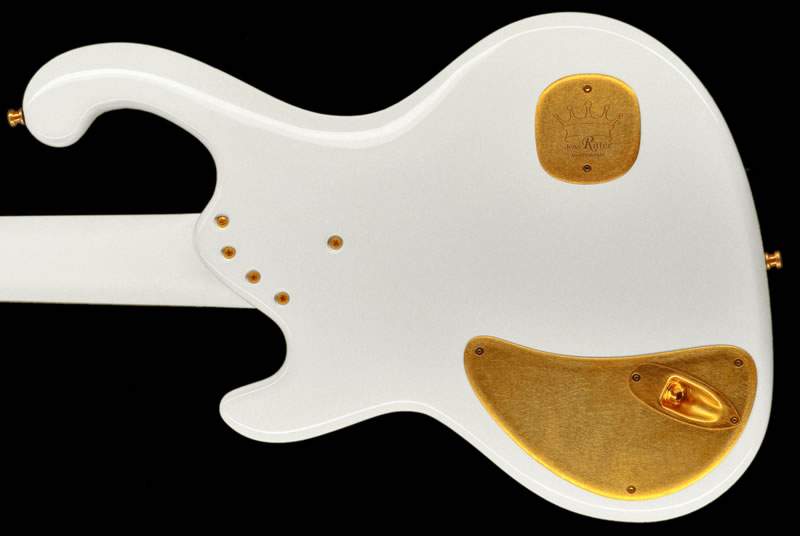
Rear Jack: These are less commonly seen, but used by more than a few builders when you start looking.
Brian Moore:

Linc Luthier:

Yamaha:

Ritter:
Beej: ( )
)

Here are some examples of the items listed in the poll for reference - any others you can think of, or like to see?
Front Jack: Often on a pickguard, or mounted to the front. For this poll, this refers to the jack sticking straight out of the body. Could be 1/4" or locking styles.
Angled Front Jack: Jack mounted on the front of the body, but uses a mounting style to have it pitch the cord at an angle to the body. Examples:
Atlansia:
Ibanez SR:
Strat Jack:
Side Jack: often seen on guitars, but a classic on many basses as well.
Tail Jack: Dingwall is probably the best example, but I've seen other similar ones. In this case, the jack is at the tail of the bass, often pitched at an angle to let the cord hang over the strap.
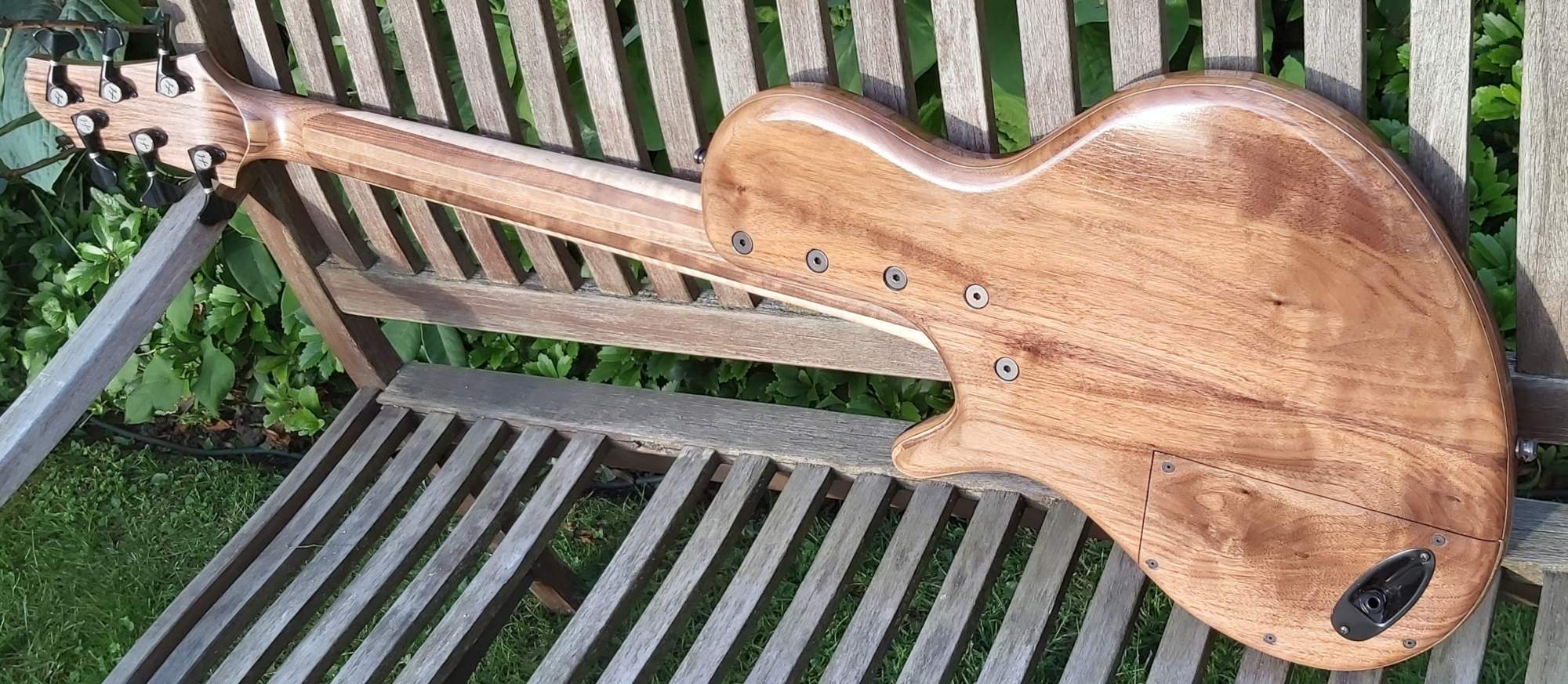
Rear Jack: These are less commonly seen, but used by more than a few builders when you start looking.
Brian Moore:
Linc Luthier:
Yamaha:
Ritter:
Beej: (
) 


 )
)