Interesting. I'll have to look into that.Yep! Use this on my lightest bass...
![]()
Diver's weight.
TalkBass has been independent since 1998. Add your voice.
Create a free account to reply to discussions, view embedded media, and browse with fewer display ads.
Join free Log in
Want zero display ads or expanded classifieds tools? Compare plans.
Interesting. I'll have to look into that.Yep! Use this on my lightest bass...
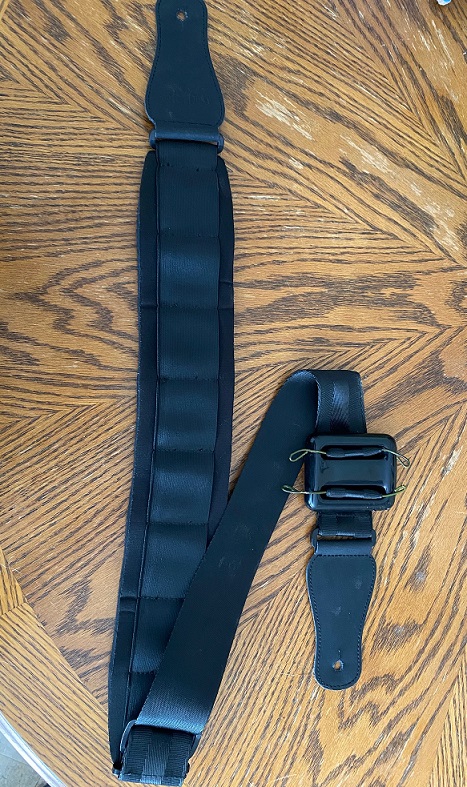
![]()
Diver's weight.
Neck heaviness can be measured. Easily. It is called the center of gravity or CG. I do the measurement with a rolling pin on the kitchen counter. Easy Peasy.Gotcha. It sounded funny and didn't register, because I was thinking in terms of either or.
As in, either a bass is neck heavy and not balanced well,....or it's not neck heavy and balanced well.
I wouldn't call it neck heavy or neck dive. I think they are essentially the same thing.
I'd call it degrees of neck heavy.
A bass that is a little neck heavy can be easily addressed by a sticky strap.
A bass that dive bombs when you let go, or pulls your shirt off should probably be taken out behind the barn and put out of it's misery.
All kidding aside though, some instruments have a terrible design and I don't know how some folks don't mind fighting with them. But, to each their own.
True, but I've learned that the consumers are as much to blame as the manufacturers.The dirty little secret is that basses don't have to be neck heavy. You can achieve reasonable overall weight plus not be neck heavy through some simple design choices. But manufacturers routinely ignore this
You know you're winning when you can afford vice grips for the hand crank on the windows:had to do this for real with bungee cords