Yes it's a sort of educated guess based on what I see around me.If less than one percent of players used flats, I doubt they'd make them anymore. Again, money. I realize it's weighted heavily towards the rounds side, but less than one percent? Where's your source for that? Or are you guessing?
Edit: It'd be foolish to make strings that only one percent of users used. It's got to be more 20-80 split. That's a guess though. Just based on what kind of money generated would make a company still invest time in a product. I doubt they'd make them for the sake of nostalgia.
It is assumed that TB is the bastion of flats, where roughly 20% of the people bothered to answer the question use flats.
GHS have 1 set of flats out of their range of 16 products. TI, one of the most recommended brands of flats has 1 out of 4. EB have 1 out of 7.
It says nothing about the sales though, just a hint.
Music shops typically have dozens of bass string sets with a couple of them being flats if you're lucky. Flats age slower than rounds though and people who like them look for that dead tone that can last for years once you have it so it's normal that it sells less.
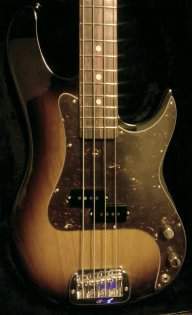
I can't for the life of me remember the last time I saw a bass strung with flats in the hands of anyone, at a show (I may have missed it though) or in the practice space. Can you?
Now if there is a market even small somebody will cover it. Bronze strings are even less used than flats, yet some brands make them.
After all, bass guitar is a niche market. According to an owner I know, shops roughly sell 1 bass every 30 electric guitars.
So yes my 1% estimate only stands on my observations. To be safe I could say less than 5% use flats.