The horizontal dispersion and comb filtering is probably just a tad overblown for most uses....although it is truly present....
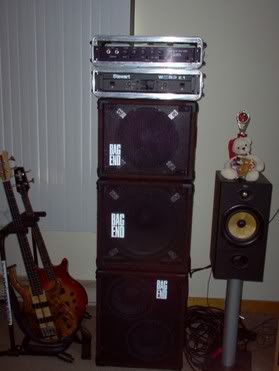
First, there is a strong lobe directly forward from the pair of speakers. That varies in width, but remains so long as the speakers are in phase. You likely want that anyway, that is the reason for arrayed speakers of any shape.
Second, as you proceed thru higher and higher frequencies, there is a range where the speakers show lobing, AND the lobing is coarse, meaning there are a few lobes with large dead spots between them. But above that range, the density of lobes and dead spots increases, so that coverage is "better" again....
Third, the exact location of the lobes etc depends on the phase relation of the two drivers. That gets pretty much unknown as frequency increases, particularly with "whizzers". At some frequencies the two may be pretty much uncorrelated, so that the lobes are unstable, and move around with very small changes of frequency.
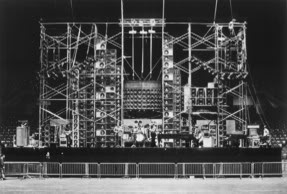
Fourth, any reflections from cabinet edge diffraction, hard surfaced walls, stage floor, etc, etc, etc, also cause a pattern of lobes or dead spots all over the room. There are normally so many of these issues in teh venue that the other matters may be pretty minimal as to importance.
Just move your head sound at the next time you are where someone else;s band is playing, and you will hear the shifting high end, EVEN IF you are out of line-of-sight from the amps.
All that stuff gets to the bottom line that if you are concerned about audiophile things, like "stero image", etc, it matters a lot. But then you have control over the room, listener location, etc, etc.
For instrument amp usage, there are normally enough uncontrolled variables that it seems not very useful to single out this one issue....not that sound mightn't be "improved" by each small change........of course.....