
Enjoy the benefits of a premium membership!
Upgrade Account
-
TalkBass has been independent since 1998. Add your voice.
Create a free account to reply to discussions, view embedded media, and browse with fewer display ads.
Join free Log in
Want zero display ads or expanded classifieds tools? Compare plans.
You are using an out of date browser. It may not display this or other websites correctly.
You should upgrade or use an alternative browser.
You should upgrade or use an alternative browser.
Wrist Movement when Plucking
- Thread starter VodkaVeins
- Start date
More options
Who Replied?
I think that ideally your playing technique should not include fighting your instrument. That's ideally - and I know full-well that there are many players here who have neck-diving basses who wouldn't have it any other way. In my experience, having a bass that forces you to use your left or right arms, hands, fingers to do things other than play works against you.
Your left and right hands have plenty on their plates in an ideal situation with regard to good technique - adding the need to 'hold the bass in place' only makes things more difficult. Sure - you can still play - but I guarantee you that if you removed the offending elements and have a bass that sit properly without demanding that you support it with your hands or arms, you will have a much easier time of it.
And believe me, the damage you can (and probably will do) by contorting your fretting hand like that is very real. Your index finger will suffer tendon issues and chronic pain if you continue to play like that. I know for a fact that a neck-diving bass will tend to force players to play like that - and getting a bass that doesn't dive fixes that.
You can compensate for it all you want - but every compensatory maneuver you make will only take away from your ability to play easily.
IMO and IME - get a bass that sits well on the strap in playing position that does not require you to compensate for it.
Your left and right hands have plenty on their plates in an ideal situation with regard to good technique - adding the need to 'hold the bass in place' only makes things more difficult. Sure - you can still play - but I guarantee you that if you removed the offending elements and have a bass that sit properly without demanding that you support it with your hands or arms, you will have a much easier time of it.
And believe me, the damage you can (and probably will do) by contorting your fretting hand like that is very real. Your index finger will suffer tendon issues and chronic pain if you continue to play like that. I know for a fact that a neck-diving bass will tend to force players to play like that - and getting a bass that doesn't dive fixes that.
You can compensate for it all you want - but every compensatory maneuver you make will only take away from your ability to play easily.
IMO and IME - get a bass that sits well on the strap in playing position that does not require you to compensate for it.
Agreed!
I am in the market for a new bass. Considering ESP LTD, mainly because is the only bass brand that comes here. Besides Yamaha and my current Brazilian Strinberg. Hoping those won't neck dive when i get to try them out.
I am in the market for a new bass. Considering ESP LTD, mainly because is the only bass brand that comes here. Besides Yamaha and my current Brazilian Strinberg. Hoping those won't neck dive when i get to try them out.
I applaud you for seeking answers the way you are. That's a great thing and will take you far.
Good luck!
Good luck!
I appreciate that tZer. Thankfully all of us bassplayer can come here and get the insight we seek. Great place TalkBass.

Agreed!
I am in the market for a new bass. Considering ESP LTD, mainly because is the only bass brand that comes here. Besides Yamaha and my current Brazilian Strinberg. Hoping those won't neck dive when i get to try them out.
The thing is once you get that bass that's "for you" you will never need another, so the trick is spend once, but spend right.....do not let price dictate the bass you get. When you get it right the bass will pay for itself over and over and over again.

The thing is once you get that bass that's "for you" you will never need another, so the trick is spend once, but spend right.....do not let price dictate the bass you get. When you get it right the bass will pay for itself over and over and over again.
+1000
I was lucky. I had a great first teacher who found me my first bass and from that day on, I always aspired to have basses that at least lived up to it. Really hard to go wrong with a good old P-bass... But I digress...
+1000
I was lucky. I had a great first teacher who found me my first bass and from that day on, I always aspired to have basses that at least lived up to it. Really hard to go wrong with a good old P-bass... But I digress...
We find them in the weirdest places, mines was a "guilt buy" from a friend who asked me sell it, i couldn't so i gave him th3 asking price and told him i sold it. It was still in the black bin liner with all but the head taped up, as he gave it to me, in a corner of my house for over a year.
It was Squier P Bass that when i did pick it up i never put it down for over 25 years......cost me £125....it just fitted me.

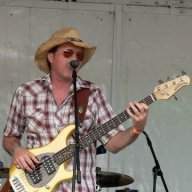
Not going to pile on with a long post. Just this: the sooner you stop anchoring your thumb on the pickup and learn to float your right hand, the happier you will be. Took me a year of very concentrated practice to learn to do this, and I STILL fall back on bad habits sometimes. But I'm convinced that a floating right hand technique is the way to play the instrument.
Your picture helps me Fergie Fulton, to figure out posture, hand placement, and very nice looking Squier there too.
What is this about diet, bass players take for granted? I remain curious from the 1st page you posted...
Also i suppose it really takes a lot of time getting my body and hands used to the right technique, because sometimes i am spot on on the left hand with more straight than 'scrunched' fingers and other times it's just a complete chaos.
What is this about diet, bass players take for granted? I remain curious from the 1st page you posted...
Also i suppose it really takes a lot of time getting my body and hands used to the right technique, because sometimes i am spot on on the left hand with more straight than 'scrunched' fingers and other times it's just a complete chaos.
Oh yeah, the "teacher" vanished. Makes me wonder if indeed he was a real teacher; that makes you guys still my source.
I've found trouble mostly with the left hand, but then again might still be the bass. The floating thumb technique and i have become good friends since.
Your picture helps me Fergie Fulton, to figure out posture, hand placement, and very nice looking Squier there too.
What is this about diet, bass players take for granted? I remain curious from the 1st page you posted...
That picture is just a moment caught in time, it shows nothing of where that position came from or where it was going. Part of the job is to entertain as well as play and the two do not always compliment each other in terms of what is best for either. The bass is a JV 1983 early model of the 57 Precisions they made..perfect in every detail apart from not made by Fender in 57
The diet of a musician needs to be able to provide energy for the muscles through Carbohydrates, and protein to aid the brain to be alert and responsive.
In playing bass the task is the physical one of the muscles playing, and the mental one of the brain being focused, but keeping out the way.
In learning or in practice, the task is still physical, but now the brain needs to concentrate on learning....not remembering.....but learning.
Take the instrument away and the simulate the hand movement to play...it is physical, therefore the muscles producing the movement need energy.
Because we do not have the usual features of physical exercise, raised, deep and quickening of breathing, sweat, increase in heart rate etc...does not mean that the muscles are not using energy, they are but rather than the source being aerobic ( oxygen based ) in is anaerobic ( non-oxygen based ) to trigger the bodies metabolism to react.
So when playing for a long time and the hands tire, it means the body is fatigued and needs energy.
But what ifI have just started to play and I am tired? *Well it is the same thing fatigue....the body needs energy, a source of fuel if you will.
Whether you start to run out of body fuel through use or just did not have enough to start with will bring the same results of tiredness, cramp, and the inability to concentrate or be alert as well as you should.
So the energy or fuel will come from diet.
So energy bars and drinks are a good temporary source to give a boost though out playing or practice. That is a eating or drinking them at regular intervals through out the activity. Having good hydration levels by taking in water or those energy drinks is a vital one as muscles need water to help them work effectively.
Many players find themselves working in bars and clubs where alcohol is served, and in many cases is offered as part of the deal. Alcohol dehydrates and since the body needs water to function alcohol is not a good mix for the body or the brain in order to perform the task of playing.
Sure it may take the edge off, but that may just be a release of serotonin from the brain, that feel good chemical that is released when we enjoy something such as chocolate, pizza, etc.
Of course this scene of bars, clubs, the times they open etc, will bring us in contact with fast or junk food. Processed food is OK once and a while ( that serotonin kick is involved again ) but it is not a balanced healthy diet.
A balanced healthy diet means our bodies are ready to function, our brain is alert and all we need is to top up a little in order to function at certain tasks for certain periods of time.
This brings us back to playing bass.
So practice did not go as well, maybe you were tired and not thinking as good?????????
Playing that gig did not go so well...again maybe you were more tired than you thought...maybe your mistakes were mental ones because you could not focus on the song or the arrangement, this causes a panic as you move out your comfort zone, the body tenses more, the movement become less, now you are thinking about what you should be doing, rather than doing it ( the brain is in the way ) and so on.
Quite simply diet gives us the energy or fuel to function, since playing is a raised function ( an extra level of you will ) then fuel intake has to reflect this...in other words you need more in the tank to do it. Just sitting down and start playing will not work as well as preparing or being prepared to play. As will just turning up at the gig and going for it not always work as well.
So get a balanced healthy diet, and always make sure you are prepared to play by being hydrated and having eating a good energy source ( carbohydrate and calorie rich food for that extra energy ) as a top up about half an hour before playing, and the body will take care of itself leaving you free to play.
Just an addition to the above on a balanced diet.
Hear is one element that should be present, Potassium. As you can see the foods below have most of the other elements in them that will help if included as part of a balanced diet.
Potassium must be rightly included in your daily diet to reduce the risk of heart attacks and blood pressure problems.
Potassium is a good source of cramp prevention and relief.
Sufficient potassium can be consumed by including the potassium rich foods in our daily diet.
Potassium rich foods are listed below and are categorized according to the fruits, vegetables, dairy products and other potassium rich foods.
Proper amount of potassium must be included in food.
There are two main problems associated with Potassium levels that can develop, hyperkalemia or hypokalemia.
Hyperkalemia is excessive storage of potassium and hypokalemia is deficiency of potassium.
A balanced diet should be enough to sustain a healthy Potassium
VEGETABLES ;
Artichoke
Acorn squash
Baked beans
Butternut squash
Bamboo shoots
Fresh or boiled beet
Black beans
Lima beans
Cabbage
Brussels sprouts
Carrots
Dried peas and beans
Hubbard squash
Lentils
Legumes
Mushrooms
Turnip cabbage
Pumpkin
Potatoes
Parsnips
Refried beans
Cooked spinach
Tomatoes and tomato products
Yellow turnips
Vegetable juices
Lettuce
Kidney beans
Cauliflower
Broccoli
FRUITS;
Apple
Apricots
Avocado
Cantaloupe
Bananas
Dates
Figs
Kiwi fruit
Mango
Orange and orange juice
Papaya
Peach
Strawberries
Watermelon juices
Raisins
Prunes and prune juice
Pear
Nectarines
Honeydew
Grapefruit
Pomegranate
MEAT AND FISH;
Beef
Chicken
Lamb
Pork
Liver
Turkey
Veal
Bass
Flounder
Haddock
Halibut
Oysters
Perch
Salmon
Scallops
Tuna
BEVERAGES/DRINKS;
Beer
Red wine
White wine
Cider
MISCELLANEOUS FOODS; * *
Bran products
Chocolate
Granola
Molasses
Milk
Nuts and seeds
Peanut Butter
Yogurt
Peanuts
Ice milk
Eggs
Wheat bread
Apple cider vinegar
Cottage cheese
Ricotta cheese
Vanilla Ice-cream
Cinnamon raisin bagel
Plain bagel
French bread
Plain bagel
Onion, poppy and sesame seed bagel
Oatmeal bread
English muffins
Cocoa powder
Hear is one element that should be present, Potassium. As you can see the foods below have most of the other elements in them that will help if included as part of a balanced diet.
Potassium must be rightly included in your daily diet to reduce the risk of heart attacks and blood pressure problems.
Potassium is a good source of cramp prevention and relief.
Sufficient potassium can be consumed by including the potassium rich foods in our daily diet.
Potassium rich foods are listed below and are categorized according to the fruits, vegetables, dairy products and other potassium rich foods.
Proper amount of potassium must be included in food.
There are two main problems associated with Potassium levels that can develop, hyperkalemia or hypokalemia.
Hyperkalemia is excessive storage of potassium and hypokalemia is deficiency of potassium.
A balanced diet should be enough to sustain a healthy Potassium
VEGETABLES ;
Artichoke
Acorn squash
Baked beans
Butternut squash
Bamboo shoots
Fresh or boiled beet
Black beans
Lima beans
Cabbage
Brussels sprouts
Carrots
Dried peas and beans
Hubbard squash
Lentils
Legumes
Mushrooms
Turnip cabbage
Pumpkin
Potatoes
Parsnips
Refried beans
Cooked spinach
Tomatoes and tomato products
Yellow turnips
Vegetable juices
Lettuce
Kidney beans
Cauliflower
Broccoli
FRUITS;
Apple
Apricots
Avocado
Cantaloupe
Bananas
Dates
Figs
Kiwi fruit
Mango
Orange and orange juice
Papaya
Peach
Strawberries
Watermelon juices
Raisins
Prunes and prune juice
Pear
Nectarines
Honeydew
Grapefruit
Pomegranate
MEAT AND FISH;
Beef
Chicken
Lamb
Pork
Liver
Turkey
Veal
Bass
Flounder
Haddock
Halibut
Oysters
Perch
Salmon
Scallops
Tuna
BEVERAGES/DRINKS;
Beer
Red wine
White wine
Cider
MISCELLANEOUS FOODS; * *
Bran products
Chocolate
Granola
Molasses
Milk
Nuts and seeds
Peanut Butter
Yogurt
Peanuts
Ice milk
Eggs
Wheat bread
Apple cider vinegar
Cottage cheese
Ricotta cheese
Vanilla Ice-cream
Cinnamon raisin bagel
Plain bagel
French bread
Plain bagel
Onion, poppy and sesame seed bagel
Oatmeal bread
English muffins
Cocoa powder
Hi Fergie!
Alhough i do agree that diet is important....i have a question....don`t you think that it should apply more to the people who gig / make living from playing bass? I mean starting diet like that (won`t hurt ofcourse) but will it be worth for someone who plays bass as a hobby at home? I know you are mentioning diet a lot in your posts...What i want to say is...for someone who plays lets say 2h a day is it really a must to change diet?
Alhough i do agree that diet is important....i have a question....don`t you think that it should apply more to the people who gig / make living from playing bass? I mean starting diet like that (won`t hurt ofcourse) but will it be worth for someone who plays bass as a hobby at home? I know you are mentioning diet a lot in your posts...What i want to say is...for someone who plays lets say 2h a day is it really a must to change diet?
Hi Fergie!
Alhough i do agree that diet is important....i have a question....don`t you think that it should apply more to the people who gig / make living from playing bass? I mean starting diet like that (won`t hurt ofcourse) but will it be worth for someone who plays bass as a hobby at home? I know you are mentioning diet a lot in your posts...What i want to say is...for someone who plays lets say 2h a day is it really a must to change diet?
No.
The point of diet is to provide energy and nutrition to the body to cope with its every day functions. Playing and instrument is a function and one that uses muscle action, so regardless of what anyone says or thinks, that requires a fuel source.
Regardless of job or profession a healthy diet will provide the fuel to cope with the task of playing easier and with better results....as it will in any walk*of life.
On the list there are food you can use to supplement any diet, so regardless of what you eat, you can add as snacks say, any of the foods on the list.
Trust me I stray from my own diet when out touring just because the foods and cultures of the European Countries I go to means I cannot always be as particular about what I eat. But I can always find fresh fruit and veg, water and various things like nuts, chocolate etc to snack on through out the day.
As a smoker as well and someone who likes the occasional drink, I am no angel, but I never suffer from hydration or energy problems concerning my own playing to often because i can recognise the symptoms and remedy it......and also a good nights sleep helps the body to recover.
I appreciate that for me and other pros it may seem a different set of circumstances, but that is just the daily routine, the act of playing is the same for us all and we will all react in similar ways to the pit falls of diet of we do not monitor what we eat and more importantly when we eat.
With the little time I've had since, I have kept In mind the most, the scrunged fingers on my left hand. And have seen some really good players that have a more diagonal approach to the strings Instead of a more vertical / perpendicular to the strings. I seriously feel, THAT is not something I am going to grasp because it might, like you suggested, be the bass. So far now, Im still with the same bass and don't feel much trouble with those fingers being that way, yeah, Im almost comfortable...
- Finger only movement.
Also, I have seen many bass players have many different ways of plucking bass strings with no wrist movement so I understand we are all different and work In different ways but there must be someway, something I am doing that could Improve.
What i am trying to say Is, no matter If It Is OK that I have wrist movement, I want to learn how not to. Fingers only.
I know now, that Is what impressed me the most about bass in the beginning. Like back in 1994, when I saw Alex Webster play bass and I though It was the coolest looking technque. So I want to give off that aesthetic of easy relaxed playing; yet real fast precise and groovy.
Thanks.
- Finger only movement.
Also, I have seen many bass players have many different ways of plucking bass strings with no wrist movement so I understand we are all different and work In different ways but there must be someway, something I am doing that could Improve.
What i am trying to say Is, no matter If It Is OK that I have wrist movement, I want to learn how not to. Fingers only.
I know now, that Is what impressed me the most about bass in the beginning. Like back in 1994, when I saw Alex Webster play bass and I though It was the coolest looking technque. So I want to give off that aesthetic of easy relaxed playing; yet real fast precise and groovy.
Thanks.
Alex has his bass at a height and angle that allows his wrist to line up with his forearm, so movement is minimal. But unless you can compare Alex's technique at a two year point,similar to you, then you are basing your technique at a completely different point to what Alex has developed today, or even in any video throwout his career.
As far as I can see you are still looking good and on track, just watch that wrist angle, remember it is about keeping the wrist in line to the forearm as much as possible....try not to use excessive bend in the wrist for extended periods of time.
As far as I"m concerned a bit of wrist movement is nothing to worry over.
From a body mechanics point of view, if you address the elbow position, you can set the wrist with a bend in it, then move the elbow to take the bend out...see the elbow as a rudder if you will. Any bend in the wrist used to play can be reduced by re-setting the elbow. Because the wrist is a joint, bend can be put in it from the forearm or from the hand, so bend can be taken out with the forearm or hand.
Even the clip of Alex has movement, and in that clip he is sitting down.
If you technique is functional, it does what you want it to do, then do not worry about how it looks, remember I cannot hear how it looks, so is it sounds right it is right.
As far as I can see you are still looking good and on track, just watch that wrist angle, remember it is about keeping the wrist in line to the forearm as much as possible....try not to use excessive bend in the wrist for extended periods of time.
As far as I"m concerned a bit of wrist movement is nothing to worry over.
From a body mechanics point of view, if you address the elbow position, you can set the wrist with a bend in it, then move the elbow to take the bend out...see the elbow as a rudder if you will. Any bend in the wrist used to play can be reduced by re-setting the elbow. Because the wrist is a joint, bend can be put in it from the forearm or from the hand, so bend can be taken out with the forearm or hand.
Even the clip of Alex has movement, and in that clip he is sitting down.
If you technique is functional, it does what you want it to do, then do not worry about how it looks, remember I cannot hear how it looks, so is it sounds right it is right.
I'll keep In mind the elbow position to avoid bending the wrist; yet in line with the forearm.
I really thank thee Fergie. You've been so very helpful, positive and very Insightful. I do request you this visual aid If you will and have some spare time just to better understand the angle of plucking, where from the finger does the movement emerges, the point of contact from finger and string and that sort of detailed information you could expand about "fingering" the strings If you might.
Thanks
I really thank thee Fergie. You've been so very helpful, positive and very Insightful. I do request you this visual aid If you will and have some spare time just to better understand the angle of plucking, where from the finger does the movement emerges, the point of contact from finger and string and that sort of detailed information you could expand about "fingering" the strings If you might.
Thanks
I'll keep In mind the elbow position to avoid bending the wrist; yet in line with the forearm.
I really thank thee Fergie. You've been so very helpful, positive and very Insightful. I do request you this visual aid If you will and have some spare time just to better understand the angle of plucking, where from the finger does the movement emerges, the point of contact from finger and string and that sort of detailed information you could expand about "fingering" the strings If you might.
Thanks
In the link you will find a short video about plucking.
There are a number of videos available on my video channel so check them out.
http://youtu.be/WREN22BYGQQ
This one may prove in-sightfull as a framework to help develop plucking. It develops so many rudiments, from plucking to timing.
As usual any questions post them and I will and try and answer them.


