• TalkBass has been independent since 1998. Add your voice.
    Create a free account to reply to discussions, view embedded media, and browse with fewer display ads.
    Join freeLog in
    Want zero display ads or expanded classifieds tools? Compare plans.

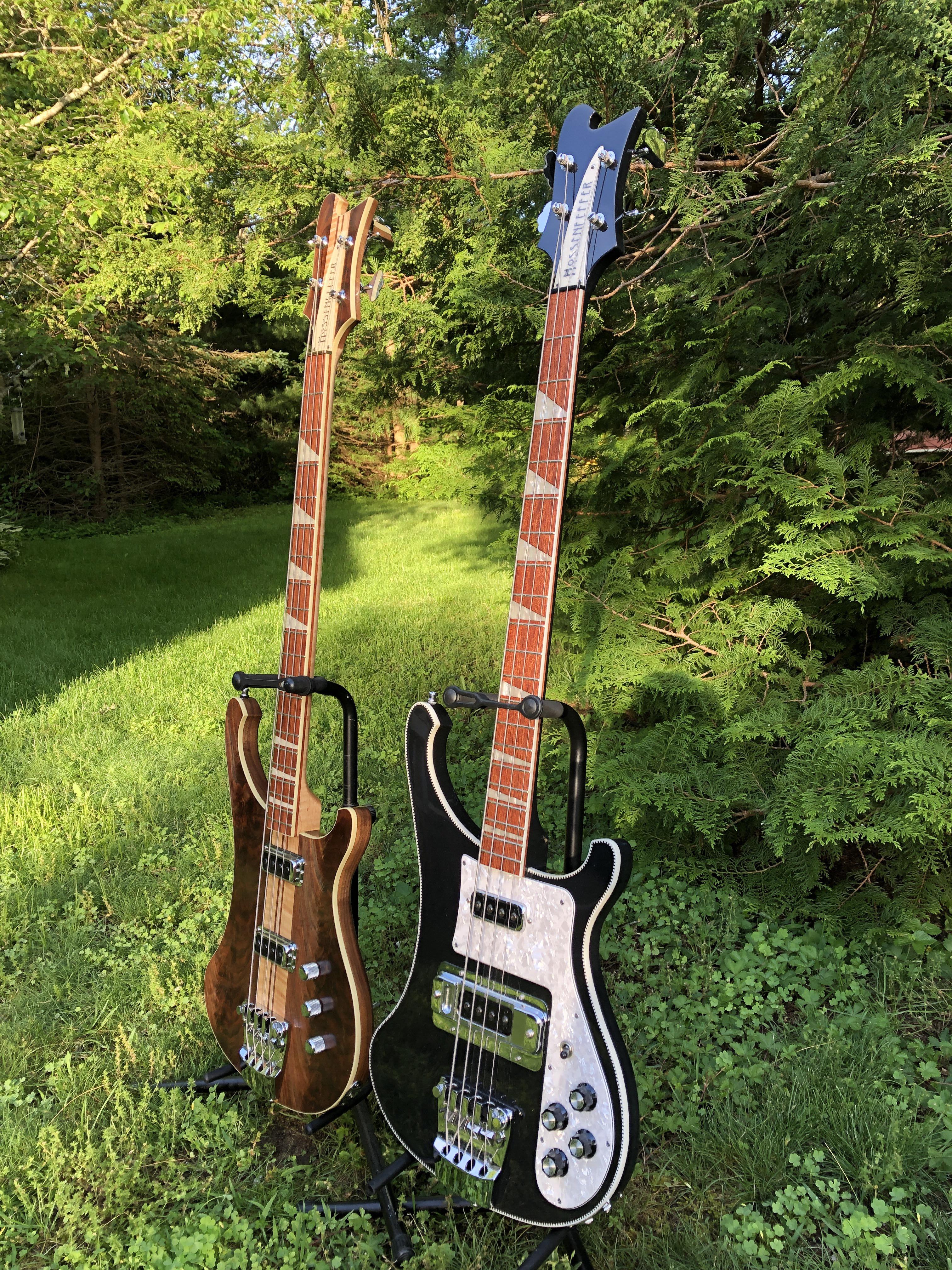
4004 LK Rickenbacker Build

My old '72 4001 had 0º headstock angle. I never did find out when that changed, so I didn't mention it in the book, but I think it happened later in the '70s. I think they started getting complaints that vigorous playing would sometimes allow the strings to pop out of the slots in the nut.:cool:
 
  • Like
Reactions: Max Bogosity
My old '72 4001 had 0º headstock angle. I never did find out when that changed, so I didn't mention it in the book, but I think it happened later in the '70s. I think they started getting complaints that vigorous playing would sometimes allow the strings to pop out of the slots in the nut.:cool:
 
My old '72 4001 had 0º headstock angle. I never did find out when that changed, so I didn't mention it in the book, but I think it happened later in the '70s. I think they started getting complaints that vigorous playing would sometimes allow the strings to pop out of the slots in the nut.:cool:
 
My old '72 4001 had 0º headstock angle. I never did find out when that changed, so I didn't mention it in the book, but I think it happened later in the '70s. I think they started getting complaints that vigorous playing would sometimes allow the strings to pop out of the slots in the nut.:cool:

My 73 4001 has no headstock angle.

OK Cool! So it's safe to assume a 0º headstock angle is ancient Ric news. Right. I'm going to go with Glimourisgod's drawing indicating 5º
 
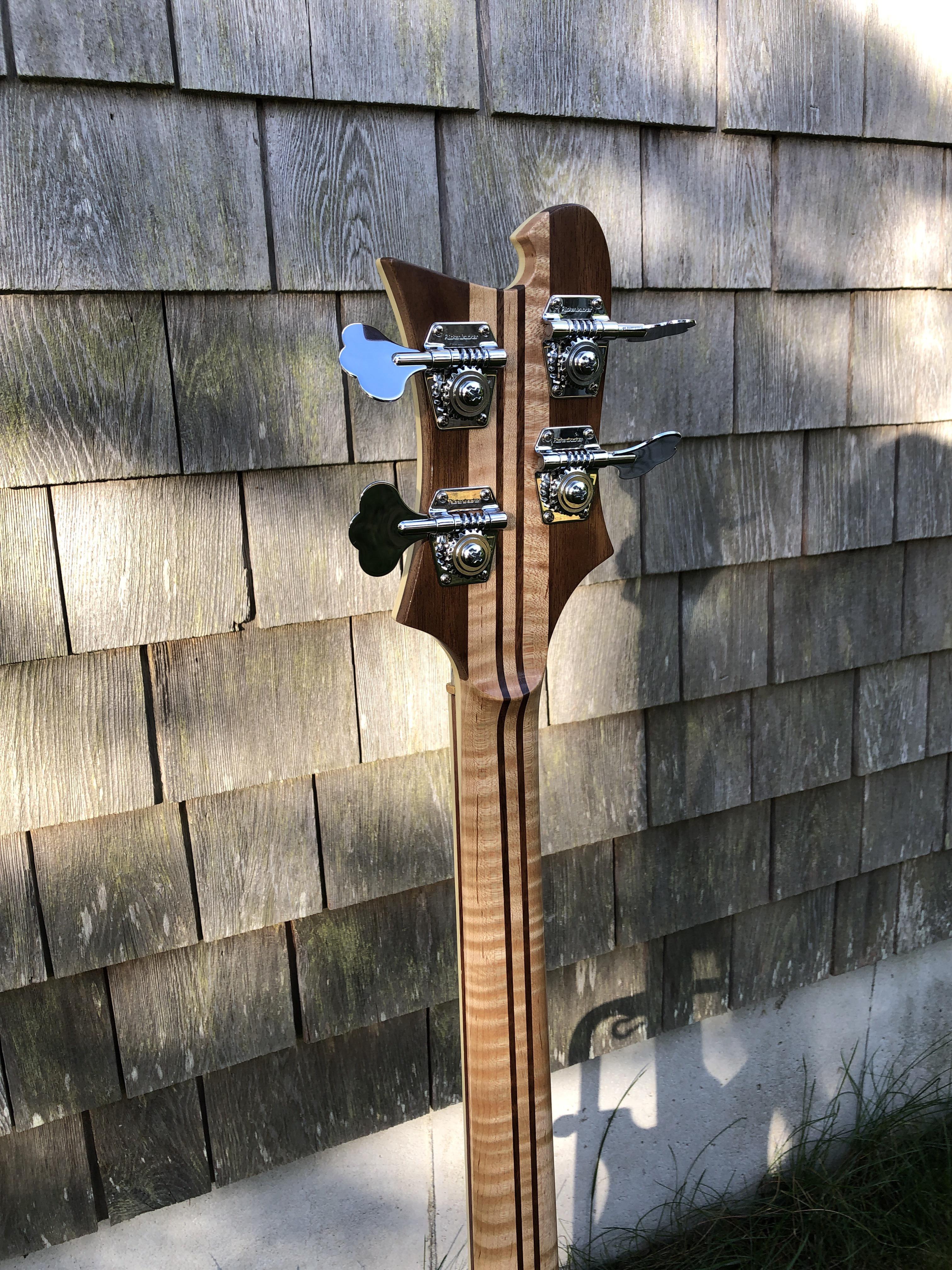
I can testify that 5 degrees works, no sign of strings popping out of the nut, and I think 8 degrees allows the headstock to touch a flat surface if you lay the bass on its back, marginally increasing the chance of breaking off the headstock. Given the variation in how Ric did it, maybe there is no “right” answer, just trade offs. I added a volute to my builds to get some more strength at the neck/headstock joint, but using a single DA rod already means you are hogging out a lot less wood under the TRC, which is where older Ric headstocks snap off if you drop them.
 
I always figured that the old Rics had no headstock angle because they used a very thick fingerboard, and it was easier to build the neck without any angle -- yielding a (barely) sufficient break angle at the nut. The A string was always the problem with popping out of the nut; a taller nut with deeper slots is the answer.
 
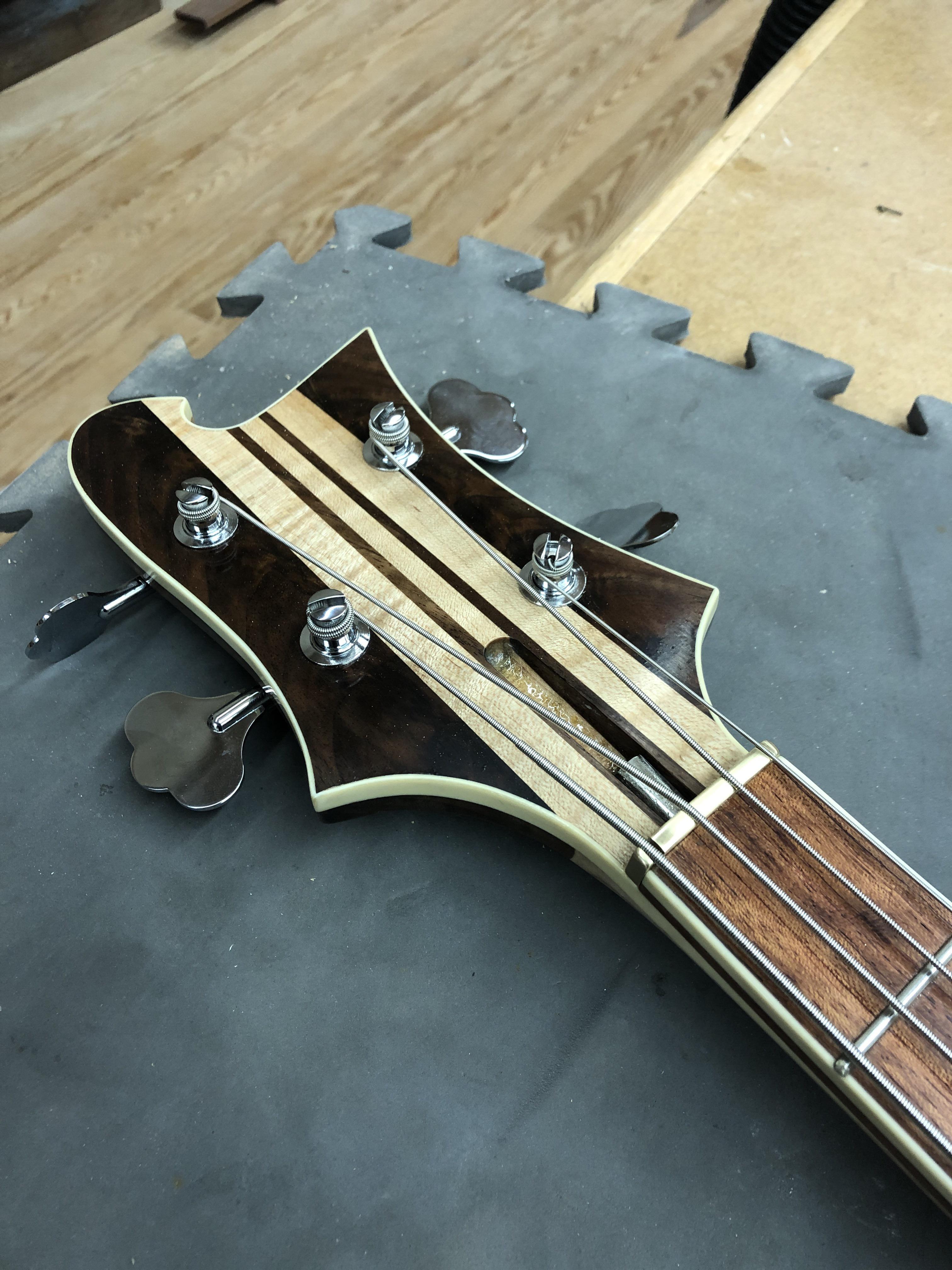
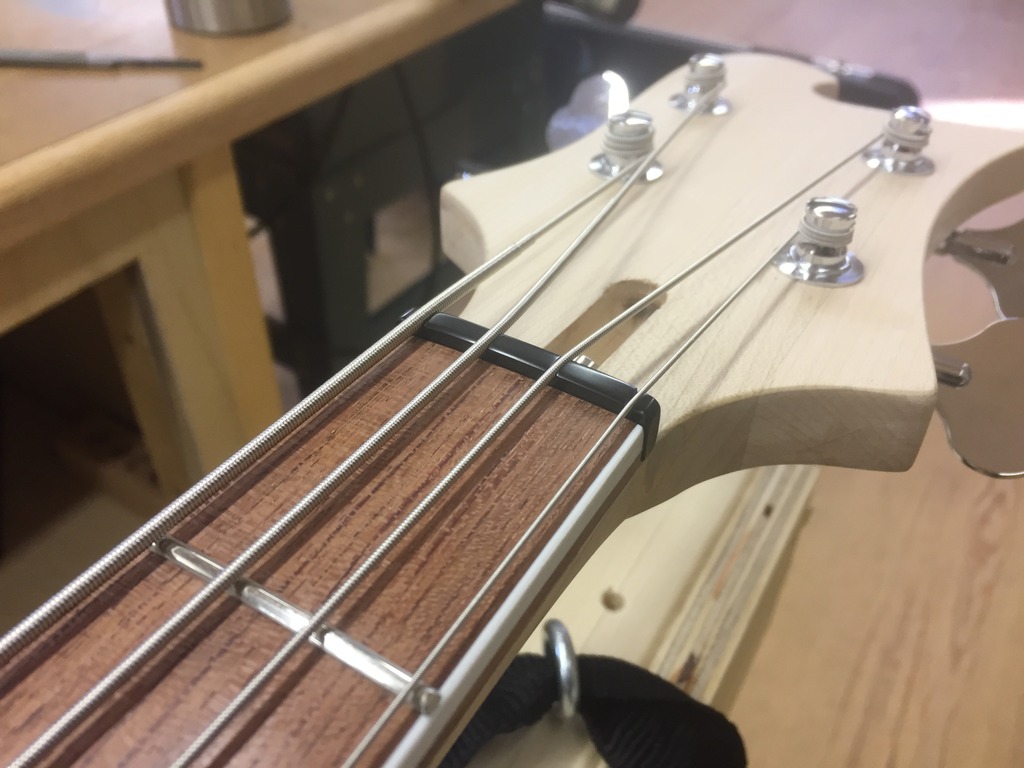
I did 5 degree headstock kickback on both of these:
cXx3tyX.jpg


Volute on the back for some extra strength
WFSCEQ5.jpg


With an Axemasters brass nut, you can see you still get plenty of break angle
ESV8lcO.jpg


And with a bakelite Ric branded nut

UoeAdJb.jpg
 
Last edited:
Hey good people! I'm back. ....been out of commission for a while, had to put all of my projects on the shelf due to some health issues. But I'm back in the saddle and itching to get this bass done. Spending the day in my shop today working on the neck....truss rods, headstock profile etc. Good to be back!
 
Sweet! Glad to see this back in production, mine's in the "Waiting for Tru-Oil to Cure" phase, another week or two and I can start assembling. Nice job on the carving! My brother carved the body wings on mine, he has the tools and the skills I lack. The rest of the build was plenty hard, so I don't feel like too much of a slacker.....
https://www.talkbass.com/threads/the-hossenfeffer-iv-build.1577036/page-11
 
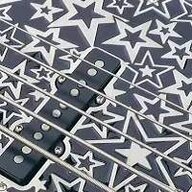
I bought slabs of white mother of pearl...approximately 1" X 1.5" X 0.060"
All the more impressive then that you made them so uniform and cut the recesses so cleanly. I tried REALLY hard to keep them as tight as possible, but still ended up with some tiny gaps around the stars I had to fill with fretboard sanding dust and CA glue. Never done this kind of inlay before. Have you decided on a finish yet? I'm going to give the Tru-Oil one more week to cure, so three weeks total, and then give it a very light wetsand, just to get the dust motes and some very minor laps marks out. Not sure where I should start grit-wise? Maybe 1000 grit? I can always go coarser if i seems to be taking to long, or gums up. I'll rub it out by hand using McGuiars compoind and swirl remover. I won't touch the carvings though.
 
  • Like
Reactions: Beej