It's easier to use the E string on a four without having to mute a low B string.
You can be a bit sloppier.
You can be a bit sloppier.
Last edited:

TalkBass has been independent since 1998. Add your voice.
Create a free account to reply to discussions, view embedded media, and browse with fewer display ads.
Join free Log in
Want zero display ads or expanded classifieds tools? Compare plans.
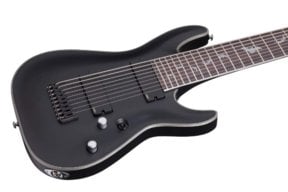





For a 7 string guitar it's very important to have a 6 string to hand for covers and certain things that you can't do with a 7 string.
Is there anything that the lack of a 5th string makes easier or once you play 5 string is it better to continue to buy 5 strings? Is there more to lose than gain by getting a 4 string?
Cheers
When I do studio sessions I always bring along a 4-string and a 5-string bass bass. If the part I'm going to play doesn't require a 5-string bass -- either because it doesn't take advantage of the extended range or because it doesn't need the sound of some notes being played on the B string -- I'll use the 4-string to track the part. Always seems to make it easier for both me and the engineer.





For me, it's simply a wider variety of basses available. It's annoying to see so many basses I love but can't find in a 5 string version. So, since you only lose the top five notes and I can live without that for the most part, I love a good four string tuned B-E-A-D.Is there anything that the lack of a 5th string makes easier...