So after some discussion in this thread about the frequency response of the SVT I ran a set of measurements on my mid-70s model last night. The impetus for this was that I had done a basic frequency response sweep a while back and in the thread referenced above, @JimmyM said that Bass Gear Magazine had published a suite of measurement on @tombowlus 's SVT a few years back. My recollection was that my measurement of the basic EQ flat frequency response did not match BGM's, but I wasn't 100% sure so I redid them last night. The tl;dr of it is that the pronounced bump between 100 and 400Hz they measured on Tom's doesn't show up on mine. There is a very slight bump on mine but it's around 0.6dB max, and I'd bet that it's because the bass pot isn't perfectly at flat even if the indicator shows it being at 12:00. Of course, now the trick is to figure out why they differ. In the interest of determining which amp is the outlier, I am going to get my hands on at least one more of them and run the same tests.
A few notes on my methodology: I don't have pics because by the time I thought about it I had the test setup torn down. I am planning to check the frequency response of the power amp alone this evening so I will get some snaps then.
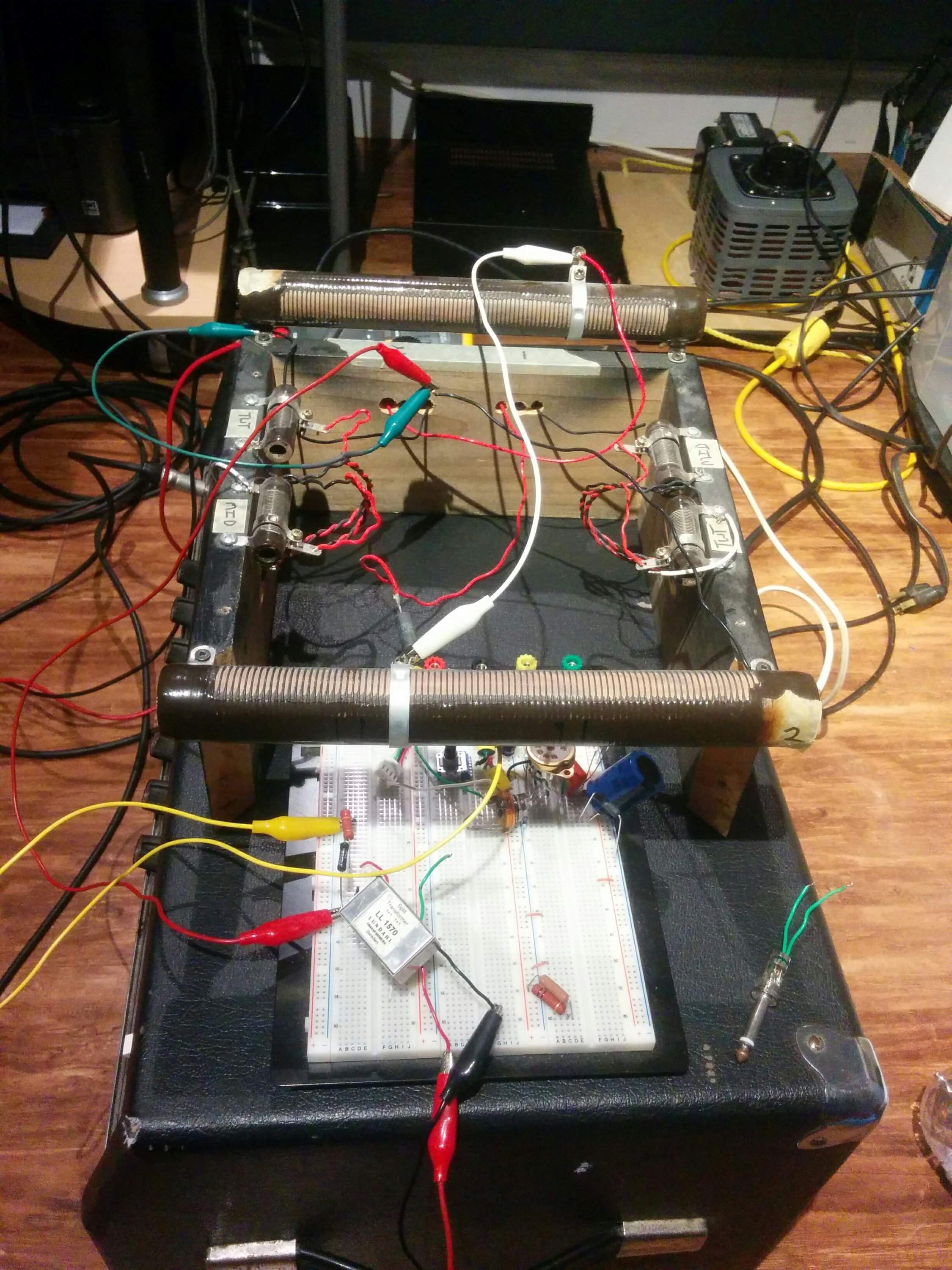
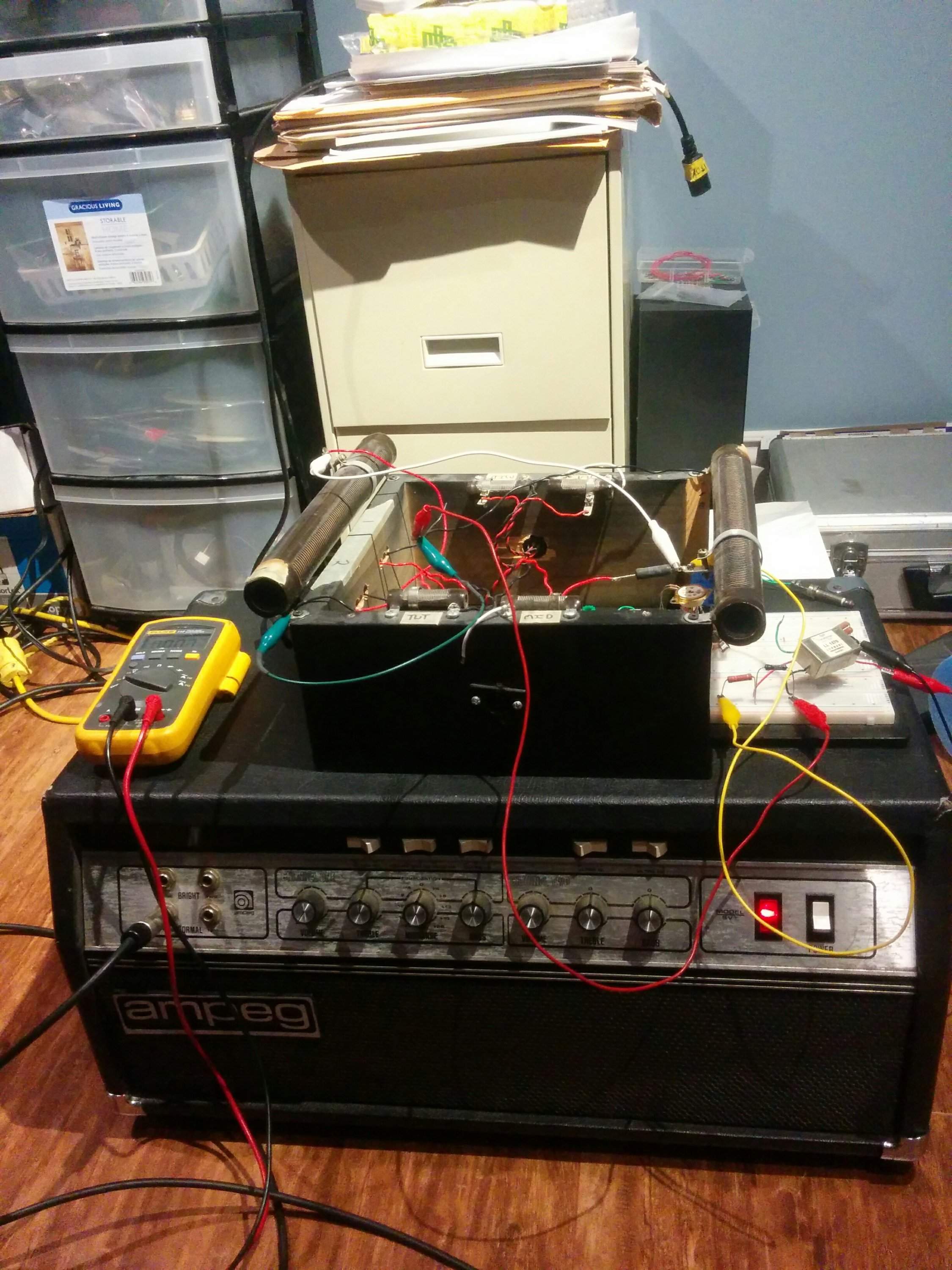
I used ARTA, which is a free RTA/spectrum analyzer, to capture the data via my recording interface. I've used the software many times and have verified that it's reasonably accurate with my oscilloscope. The software/interface cannot handle speaker level signals so I used a pair of resistors to divide the amp's output voltage by 10 so that it wouldn't overload the analyzer. I also ended up having to transformer isolate the signal because there was a ground loop between the amp and the interface that resulted in a bunch of spurious noise. I used a very high quality 1:1 transformer for this (Lundahl LL1570 if anyone's interested) and it is essentially transparent for this test. Its frequency response is much wider than the amp's is and it can handle +16dBu. The amp would have to be producing 63V at its outputs to overload the transformer after the voltage divider. I connected my dummy load to the amp's speaker out (2x225W wirewound resistors in parallel for 4 Ohms) and tapped the voltage divider resistors off that. Measurements were taken at 10V output (approx 25W) but I did check the frequency response at power levels from about 1W up to 300W and there isn't much difference.
So now the screen captures:
Channel one with all EQ knobs at 12:00 and the ultra buttons both out. It's pretty flat with rolloffs beginning around 50Hz and 7k. There is a very slight bump in the low end range but it's only about 0.6dB.
Channel One, EQ flat Ultra Lo in the + position, showing the deep mid cut it creates.
Channel One, EQ flat, Ultra Lo in the - position.
Channel One, Ultra Lo at 0, Ultra Hi +. This was pretty weird, that's a lot of boost. I had to roll the level back considerably to sensibly capture it.
Channel 2 was quite different. Quite rolled off in the low end with the EQ flat and Ultra Lo off.
Channel 2 with the Ultra Lo on.
And finally channel 2 with Ultra Lo off and Ultra Hi on.
I didn't manage to get captures all of the EQ settings but they look very much like the ones BGM did so I didn't think it was necessary.
I also did an output test and found that I couldn't get much more than 250W out of it before THD went beyond 5%. I'm not sure whether this is something a little off inside the amp or if my spectrum analyzer is not very accurate. More on it later.
A few notes on my methodology: I don't have pics because by the time I thought about it I had the test setup torn down. I am planning to check the frequency response of the power amp alone this evening so I will get some snaps then.
I used ARTA, which is a free RTA/spectrum analyzer, to capture the data via my recording interface. I've used the software many times and have verified that it's reasonably accurate with my oscilloscope. The software/interface cannot handle speaker level signals so I used a pair of resistors to divide the amp's output voltage by 10 so that it wouldn't overload the analyzer. I also ended up having to transformer isolate the signal because there was a ground loop between the amp and the interface that resulted in a bunch of spurious noise. I used a very high quality 1:1 transformer for this (Lundahl LL1570 if anyone's interested) and it is essentially transparent for this test. Its frequency response is much wider than the amp's is and it can handle +16dBu. The amp would have to be producing 63V at its outputs to overload the transformer after the voltage divider. I connected my dummy load to the amp's speaker out (2x225W wirewound resistors in parallel for 4 Ohms) and tapped the voltage divider resistors off that. Measurements were taken at 10V output (approx 25W) but I did check the frequency response at power levels from about 1W up to 300W and there isn't much difference.
So now the screen captures:
Channel one with all EQ knobs at 12:00 and the ultra buttons both out. It's pretty flat with rolloffs beginning around 50Hz and 7k. There is a very slight bump in the low end range but it's only about 0.6dB.
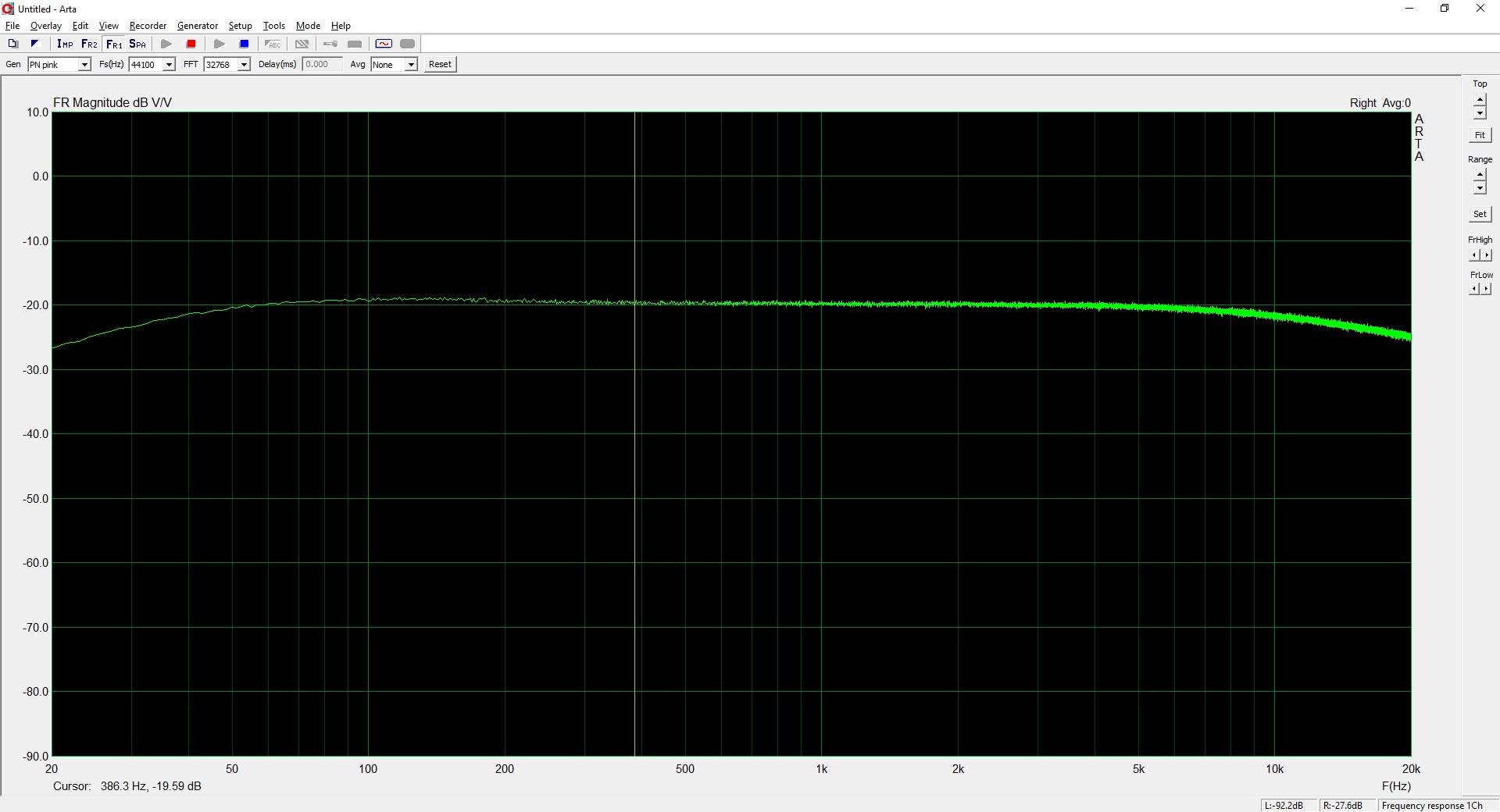
Channel One, EQ flat Ultra Lo in the + position, showing the deep mid cut it creates.
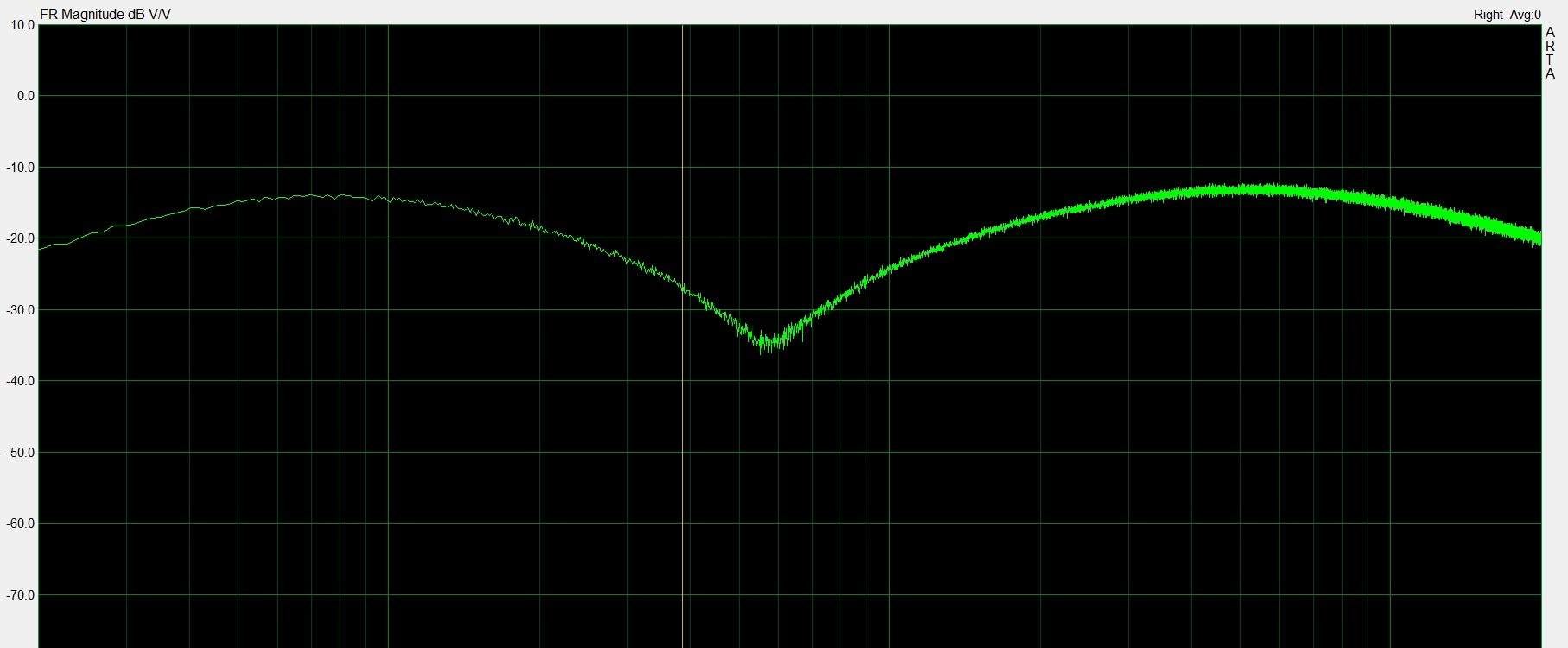
Channel One, EQ flat, Ultra Lo in the - position.

Channel One, Ultra Lo at 0, Ultra Hi +. This was pretty weird, that's a lot of boost. I had to roll the level back considerably to sensibly capture it.

Channel 2 was quite different. Quite rolled off in the low end with the EQ flat and Ultra Lo off.
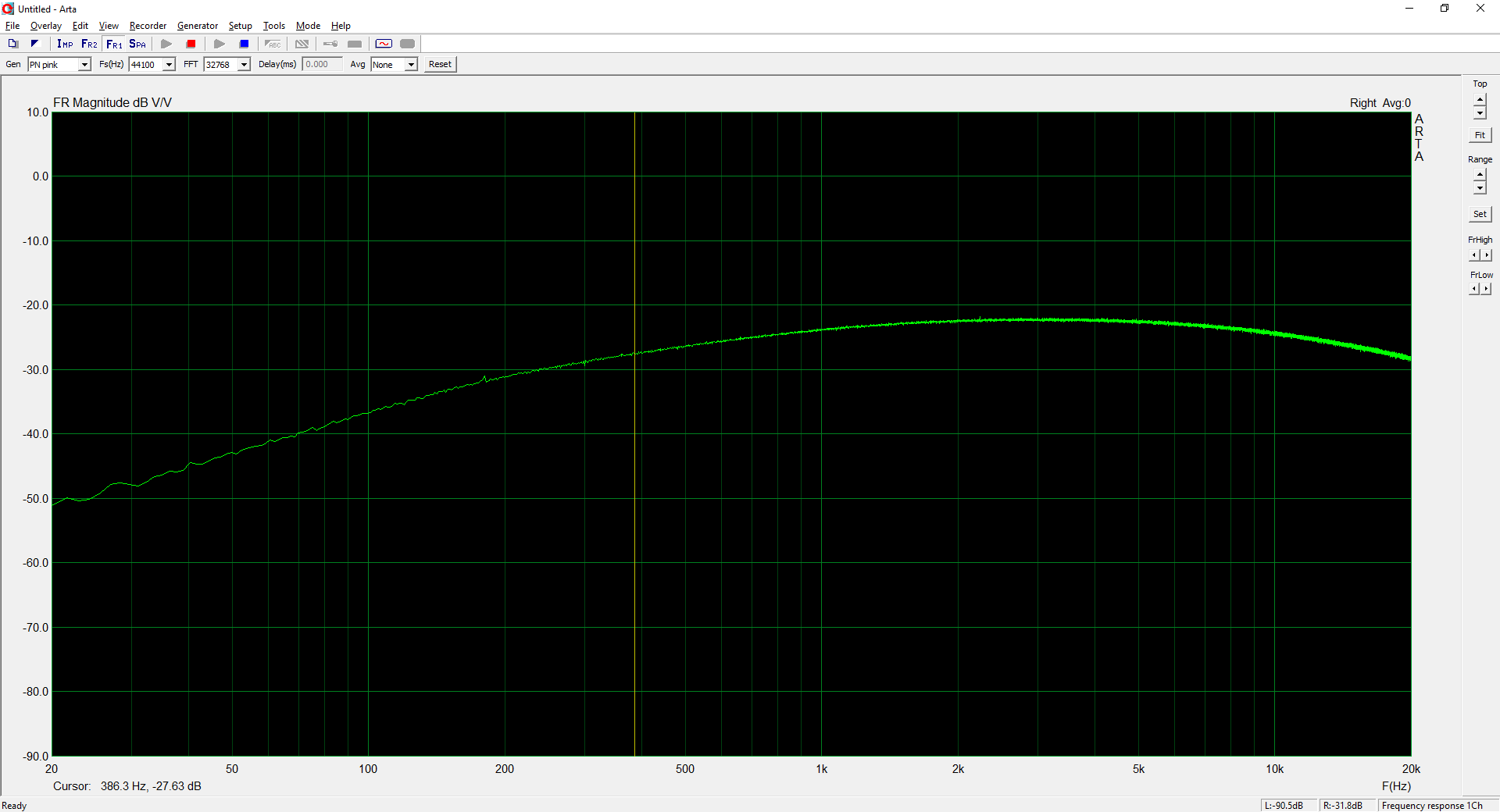
Channel 2 with the Ultra Lo on.
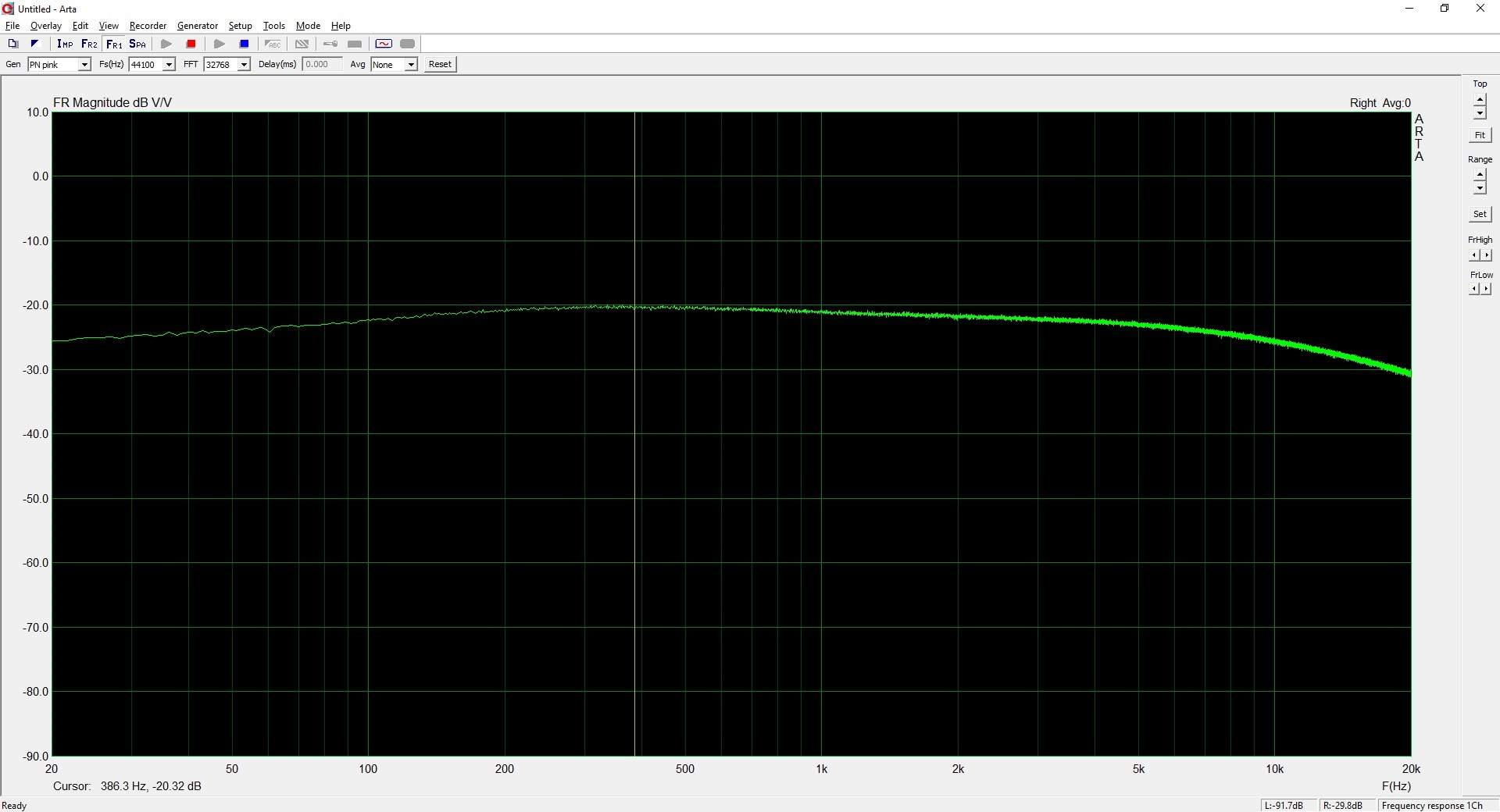
And finally channel 2 with Ultra Lo off and Ultra Hi on.

I didn't manage to get captures all of the EQ settings but they look very much like the ones BGM did so I didn't think it was necessary.
I also did an output test and found that I couldn't get much more than 250W out of it before THD went beyond 5%. I'm not sure whether this is something a little off inside the amp or if my spectrum analyzer is not very accurate. More on it later.