yes i know active is powered, and passive isnt, (i currently have a active yamaha) But what is the difference in like sound and stuff, pros and cons? just flat out differences i guess. i know a decent amount about heads and cabs, but i got a great deal very nice used yamaha, and have just stuck with that, therefore a new bass is not on my list. But have always wondered this, and for future referance.

Enjoy the benefits of a premium membership!
Upgrade Account
-
TalkBass has been independent since 1998. Add your voice.
Create a free account to reply to discussions, view embedded media, and browse with fewer display ads.
Join free Log in
Want zero display ads or expanded classifieds tools? Compare plans.
You are using an out of date browser. It may not display this or other websites correctly.
You should upgrade or use an alternative browser.
You should upgrade or use an alternative browser.
active vs. passive basses
- Thread starter honda29
- Start date
More options
Who Replied?
Active basses usually give you more flexibility and variance of tones to choose from whereas passive basses give you more of a vintage warm sound. There are exceptions to the rule, but that is generally how it goes.
I like both, own both, and see the advantages of both types. Yes, I like them all. Currently, I am playing my passives much more these days.
I like both, own both, and see the advantages of both types. Yes, I like them all. Currently, I am playing my passives much more these days.

I've always owned active basses until recently. IMHO passive basses (if you have the right one) can create that perfect 60's J-bass sound. You know THAT sound in your head (Zep, Rush, etc.).
Sonically, active basses have a high fidelity, noiseless sound that some find sterile. I find plenty of life in that sound. The only word I can think of for passive basses is "organic," which is available on some active basses that can bypass the preamp. Not all active basses are set up this way, though. I have no preference, I get the most use out of what's available.


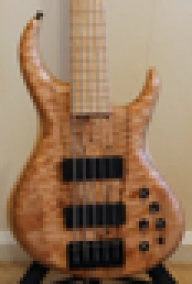
With the exception of an MTD 535.
I prefer all passive basses.
I'm just drawn to that warm, vintage tone.
I find most active basses to have a harsher sound compared to passive.
The Yamaha RBX374 is a cheap active bass with 2 Band Eq 8v System and I found the sound very harsh when I tried it out, no amount of adjusting seemed to soften it significantly, but I only tried in a shop so didn't have more than 15 minutes with it.
I've got a MIM Fender Jazz (Active) and I suppose the main advantage is I can change the sound without fiddling with my amp lol. But with the 10-band EQ I can get a huge range of sounds out of my Warwick Rockbass (Passive), with the Fender I can just dial in some more bass without going over to the amp.
When i'm playing in my room I sometimes just click the button to Bypass the amps EQ system when i've been using the Fender, then click it back on when i've got the rockbass in.
The Yamaha RBX374 is a cheap active bass with 2 Band Eq 8v System and I found the sound very harsh when I tried it out, no amount of adjusting seemed to soften it significantly, but I only tried in a shop so didn't have more than 15 minutes with it.
I've got a MIM Fender Jazz (Active) and I suppose the main advantage is I can change the sound without fiddling with my amp lol. But with the 10-band EQ I can get a huge range of sounds out of my Warwick Rockbass (Passive), with the Fender I can just dial in some more bass without going over to the amp.
When i'm playing in my room I sometimes just click the button to Bypass the amps EQ system when i've been using the Fender, then click it back on when i've got the rockbass in.

Active basses get a bad rap because many of the more affordable active basses have 2 sounds: kinda metallic and even more metallic. A lot of the older pre-amps were designed to get a hi-fi sound, but many of the modern pre-amp designs are built for a flexibility that lends itself to both vintage and hi-fi sounds. The Rob Allen Mouse 30, MB2, and Deep basses are fine examples of active basses that are anything but sterile.

My description would that passive basses are more midrangy, and punchy by nature. Active have a much wider spectrum with more crisp/sparkling highs, and deeper lows, however you can make them sound like passive basses with their active EQ's.


If you can find a bass with an active/passive switch, you're set.
Great in theory, but not always in practice. Some active basses have good tone in passive mode, others have the mode really as only an emergency feature and don't sound great run passive.
Great in theory, but not always in practice. Some active basses have good tone in passive mode, others have the mode really as only an emergency feature and don't sound great run passive.
Kinda depends on the pre-amp. I believe there are several on the market that are boasting true passive and/or amazing transparency. On my CB, the Bartolini pre-amp sounds the same with the EQ flat in active and passive mode. Obviously with the EQ engaged, you'll hear the difference when I hit the passive mode.
As long as the bass stays unplugged, most companies will say their pre-amps are good for about 1,000 hours. I've never had a spontaneous power death, but I generally check my batteries when I do my routine maintenance. If I'm nervous about a gig, I'll check them before the show. I still carry a battery tester, screw driver (to remove the panel on some of the basses), and a few extra 9v batteries.

The built-in pre can help eliminate any tone robbing that a cable (especially a long one) might do.
Some active basses have a buffering preamp for each pickup, and then the tone shaping circuit and then another buffer on the output. I personally like the two pickups to be wired together before any buffer so that the impedances affect each other.
Some active basses have a buffering preamp for each pickup, and then the tone shaping circuit and then another buffer on the output. I personally like the two pickups to be wired together before any buffer so that the impedances affect each other.
I have both active and passive basses and find there is equal room for both in my setup.
IMO the problem with active electronics is that many basses ship with poor quality components with weak design and are better off being pulled out or changed. (This is not really much of an issue with passive basses because the circuit is so simple it is hard to mess it up.) Good active electronics cost good money and there is a big difference between generic active electronics and name brand.
IMO the problem with active electronics is that many basses ship with poor quality components with weak design and are better off being pulled out or changed. (This is not really much of an issue with passive basses because the circuit is so simple it is hard to mess it up.) Good active electronics cost good money and there is a big difference between generic active electronics and name brand.

mid quality.
Punchy, Modern, yet adaptable Adaptable if you use them correctly, but no where near an Aguilar or other higher end preamps.
Punchy, Modern, yet adaptable Adaptable if you use them correctly, but no where near an Aguilar or other higher end preamps.
Good quality active electronics are very versatile. Poor quality active electronics are a little bright/metallic. The same can be said for good quality passive pickups/tone pots vs. poor quality passive pickups/tone pots. There is no solid, steadfast rule. For example, IMHO, passive Warwicks sound infinitely better to my ear than active Warwicks. On the other hand, my two favorite bass tones - those of the Bongo and those of the Spector HAZ preamp, are active. Play a bunch of basses if you can, disregard whether they are active or passive, and pick one that sounds good to you.


Contrary to a previous assertion here, active basses do not generally produce "noiseless" sound. To the contrary, the circuits usually generate an additional noise floor of their own, especially in the cheaper examples.
It occurred to me last night that active basses are great for people who don't want to walk over to the amp's knobs. I'm actually that lazy, so I'm re-thinking my aversion to actives -- especially as the affordable circuitry gets better and more refined with the advent of cheap SMT.
In general, though, I still prefer the simplicity and "honest" sound of traditional passive basses, not to mention the reliability factor in performance. A surprising number of actives don't have fail-safe passive backup capability, and having a dead battery onstage because you left your bass plugged in after the soundcheck happens a lot.
It occurred to me last night that active basses are great for people who don't want to walk over to the amp's knobs. I'm actually that lazy, so I'm re-thinking my aversion to actives -- especially as the affordable circuitry gets better and more refined with the advent of cheap SMT.
In general, though, I still prefer the simplicity and "honest" sound of traditional passive basses, not to mention the reliability factor in performance. A surprising number of actives don't have fail-safe passive backup capability, and having a dead battery onstage because you left your bass plugged in after the soundcheck happens a lot.


