

Enjoy the benefits of a premium membership!
Upgrade Account
-
TalkBass has been independent since 1998. Add your voice.
Create a free account to reply to discussions, view embedded media, and browse with fewer display ads.
Join free Log in
Want zero display ads or expanded classifieds tools? Compare plans.
You are using an out of date browser. It may not display this or other websites correctly.
You should upgrade or use an alternative browser.
You should upgrade or use an alternative browser.
Another fender lawsuit
- Thread starter GodPlayedBass
- Start date
More options
Who Replied?


In 2004 i made a luthier small course to build a PJ copy from A to Z with a french Luthier named Xavier Petit (RIP..) By this time, he was building Strat & Les Paul copies and i well remember the model name of his strats: "Elcery". Smart. And his strat were top notch ones.I wanna start a new guitar/bass line, callit, FSO.
You can suggest model names if you like, but basses might be the Yearn* (say it aloud) and the Jay.
For sixers mebbe the Atmothrow** and the Saythrow?
*and expect to get sued by Miller Lite
**and expect to get sued by Dolby

As a matter of personal opinion, do you feel these objects are more worthy of copyright protection than the Stratocaster body shape?



Supadope
Supporting Member
- Nov 30, 2015
- 850
- 2,887
- Disclosures
- My goal is to leave the world a cooler place than when I arrived.
Check this out. Think im done buying fender products. This is a bit rediculous. Am I looking at this the wrong way? Let me know what yall think
If you are going to boycott Fender, then you'll also need to boycott Servco Pacific and its subsidiaries. I made a graphic to help.
Attachments


Check this out. Think im done buying fender products. This is a bit rediculous. Am I looking at this the wrong way? Let me know what yall think
If anyone finds anything not factual in this video, please share.
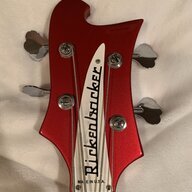
DoneIf you are going to boycott Fender, then you'll also need to boycott Servco Pacific and its subsidiaries. I made a graphic to help.
View attachment 7564473
If you are going to boycott Fender, then you'll also need to boycott Servco Pacific and its subsidiaries. I made a graphic to help.
They only own a 5-15% piece of Roland; which is publicly traded.
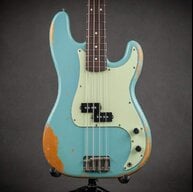
Then all you have to do is choose what percentage of your integrity you're comfortable sellingThey only own a 5-15% piece of Roland; which is publicly traded.

Or buy used so the companies don't make any more money besides brand recognition.

The USM-Haller sideboard might show us what shape the process could take, because it involves the very same court(s).As a matter of personal opinion, do you feel these objects are more worthy of copyright protection than the Stratocaster body shape?
View attachment 7538745
The Swiss won in the first instance, the Landesgericht Düsseldorf (the same people who ruled in the Fender vs. No-Show-Chinese-Brand), but the opponent escalated the case to the Oberlandesgericht Düsseldorf, where the Swiss lost, and the case got escalated again to the Bundesgerichtshof, who lifted the ruling of the Oberlandesgericht and sent the case back there, for a new ruling with some additional info.
They did decide that the "applied art" aspect of things has no special cases, even if it's furniture.
The interesting bit about this particular case is that the defendant (to my knowledge) did not sell complete USM Haller copies, they only sell spare parts for USM Haller furniture. However, you can actually buy all the spare parts and then build the object you want yourself.
Regarding Fender, the Bundesgerichtshof might rule the same, but I think the main angle of attack that Thomann will use is that Fender already lost a similar case in the US because they did not protect their design earlier and let it become public domain.
Then all you have to do is choose what percentage of your integrity you're comfortable selling
Or buy used so the companies don't make any more money besides brand recognition.
Do you know who owns every share of each publicly traded company you purchase products from?
If you're going to morally grandstand, doing it for just one bad actor when there are hundreds of thousands of them rings false. Drawing the line at a controlling interest is still nearly impossible if you accept that there are more jerks in the world than the Servco board, but it's at least possibly without becoming a nonconsumer hermit.

The question I asked myself was: IF Fender had actually defended their body design years ago and today the only place you could buy a Strat or Pbass or Tele was Fender, would you have a problem with them now? For me, the answer to that is no—Fender designed those instruments. In that scenario, they would deserve to reap the profits of their design, just like any designer.
So while I think their attempt to regain their design is doomed to failure, I don't begrudge them the attempt just because everyone got used to the idea it's OK to build clones of their design without royalties.
Plus, what cool stuff would instrument makers create if they weren't all busy making FSOs?
So while I think their attempt to regain their design is doomed to failure, I don't begrudge them the attempt just because everyone got used to the idea it's OK to build clones of their design without royalties.
Plus, what cool stuff would instrument makers create if they weren't all busy making FSOs?
I guess if they had initially reached out to other builders and large dealers with almost identical shapes to discuss the issue and asked for "more difference" or otherwise planning to think about taking royalties (however that could be handled...), they certainly would have a better public position.So while I think their attempt to regain their design is doomed to failure, I don't begrudge them the attempt just because everyone got used to the idea it's OK to build clones of their design without royalties.
(I'm aware the CEO has talked about "having gone into discussions with other builders and dealers" but seemingly not before the C&D was sent...)
I wasn't grandstanding. I don't concern myself with these things for the exact reason you pointed out, I can't keep track of who owns what so I might boycott a company if I know about it.Do you know who owns every share of each publicly traded company you purchase products from?
If you're going to morally grandstand, doing it for just one bad actor when there are hundreds of thousands of them rings false. Drawing the line at a controlling interest is still nearly impossible if you accept that there are more jerks in the world than the Servco board, but it's at least possibly without becoming a nonconsumer hermit.
I was simply referring to what you said about the share of ownership. If you know a bad actor owns 5% of a company then you're compromising your morals by 5%. That's all.
I was simply referring to what you said about the share of ownership. If you know a bad actor owns 5% of a company then you're compromising your morals by 5%. That's all.
That's pretty textbook grandstanding. Doesn't matter if you don't think it is.
You're making a moral argument about what someone should or should not do. Publicly, for the aura effect.

Look to Ibanez for the answer to that. This is what they were doing before the 70's "lawsuits"….Plus, what cool stuff would instrument makers create if they weren't all busy making FSOs?
Now, I'm not up on the lore of how many actual lawsuits occured, how many were successful or what Japanese companies did a preemptive capitulation. But then Fender at the time did a "if you can't beat 'em, join 'em" move by enlisting the aid of certain Japanese builders to manufacture a new budget line of dead-on recreations of the classic models, using the name of their dormant in-house string brand…Squire. Because the Japanese did such a good job of it, having moved on from the old stigma of "Made In Japan" equating with junk. Ibanez, by the late 70's, then started coming up with their own designs, to great strength.
On the other hand, Tokai came along and did both, and the mid-80's knock-offs of F and G were pretty incredible for the price, while their quirky Talbo series and others didn't really catch on.

What if an investment fund I have money in owns a percentage of said company? Do I boycott myself?I wasn't grandstanding. I don't concern myself with these things for the exact reason you pointed out, I can't keep track of who owns what so I might boycott a company if I know about it.
I was simply referring to what you said about the share of ownership. If you know a bad actor owns 5% of a company then you're compromising your morals by 5%. That's all.
I actually have one of those Ibanez lawsuit P basses. Other than the history, it's nothing special. It's certainly not as nice as current Ibanez offerings. In this case at least, forcing a company to stop copying gave them a reason to excel.Look to Ibanez for the answer to that. This is what they were doing before the 70's "lawsuits"….
Now, I'm not up on the lore of how many actual lawsuits occured, how many were successful or what Japanese companies did a preemptive capitulation. But then Fender at the time did a "if you can't beat 'em, join 'em" move by enlisting the aid of certain Japanese builders to manufacture a new budget line of dead-on recreations of the classic models, using the name of their dormant in-house string brand…Squire. Because the Japanese did such a good job of it, having moved on from the old stigma of "Made In Japan" equating with junk. Ibanez, by the late 70's, then started coming up with their own designs, to great strength.
On the other hand, Tokai came along and did both, and the mid-80's knock-offs of F and G were pretty incredible for the price, while their quirky Talbo series and others didn't really catch on.
Sue yourselfWhat if an investment fund I have money in owns a percentage of said company? Do I boycott myself?
Last edited:


