If I were going to prioritize based on that chart, I'd focus on fretboard fluency and ear training. That's me, though.
Can you recommend a method for ear training?

TalkBass has been independent since 1998. Add your voice.
Create a free account to reply to discussions, view embedded media, and browse with fewer display ads.
Join free Log in
Want zero display ads or expanded classifieds tools? Compare plans.
If I were going to prioritize based on that chart, I'd focus on fretboard fluency and ear training. That's me, though.
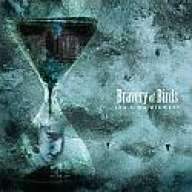
I wore out plenty of vinyl and needles as a teen picking apart entire albums.Can you recommend a method for ear training?

Chick Corea and Friends, with Eddie Gomez: Humpty Dumpty
The original version from the 1978 album has more freedom and randomness in Eddie's playing, but you get the idea from this video.



study the sounds of intervals by doing scales slowly like 1-3-2-4-3-5-4-6-5-7-6-octave or c-e-d-f-e-g-f-a-g-b-a-c (thirds). do this for all keys and all intervals - ascending and descending up and down the neck. this worked for me - the key is slowly and without a metronome so you can focus on how pitches relate to each other.Can you recommend a method for ear training?
Listen to songs and try to play what you hear accurately.Can you recommend a method for ear training?
same here. walking is all about the groove as displayed by eddie gomez. it was sam jones in the somethin' else album that got me to study how to swing PROPERLY. we used to play their arrangement of autumn leaves and after hearing a recording of our rehearsal side-by-side with the album it just blew my mind how my swing sucked so bad. hopefully i've gotten better after all these years. the old masters really knew how to swing a groove so bouncy you still feel it hours after hearing them. paul chambers slower stuff still swung like hell eg: blue in green and naima. or mingus in the original porkpie hat. all of ron carter just grooves so darn hard i wonder if he has a different cardiovascular system from all of us.I totally disagree with this...
Sweet calculator watch
it was sam jones in the somethin' else album that got me to study how to swing PROPERLY.
I like the idea of the chart, but it could be intimidating to a beginner, and the term "mastery" is so broad. Pattituci and Prestia are both masters to me, but in very different things.
Try to play the music you love, that's how most everyone has done it. Take some lessons when you think would help you move past a plateau.
it was also the great joe farrell on sax... to think i always thought it was michael brecker and lost a bet about this. i always think great sax solos are brecker... i thought it was him on doctor wu (phil woods) and aja (wayne shorter). with mike gone, it's kenny garret who's my 'usual suspect' now. every once in a while it'd be john surmanChick Corea and Friends, with Eddie Gomez: Humpty Dumpty
The original version from the 1978 album has more freedom and randomness in Eddie's playing, but you get the idea from this video.

i think stuff like this is helpful. I make my own lists of stuff i want to work on just to keep track. You tend to improve more doing each of those things for a little each day, then one by one. Not to say you cant focus on certain things for a few days or weeks, but it does help to do each thing every dayI've been playing bass for over 2 years. I am not currently working so I'm spending my days with very and unstructured practices.
I found this chart on line and thought I could use at as guide, giving myself the reward of scratching things off of it. What do you guys think? Is this a valid list of what all players should strive to learn? Would you add, remove, or move any of them???????
View attachment 904638
I really liked what you said "you can play absolutely anything on the 2 and the 4". I never thought about that, but it is so true!I totally disagree with this. If your walking doesn't swing it's not worth anything. People are way too hung up on notes. The notes are the least important aspect as you can play absolutely anything on the 2 and 4 (which was demonstrated by Gary Willis in one of his videos) and it will work fine. No one will even notice. Just come home from time to time.
Maintaining a good swinging feel is the top priority and that has EVERYTHING to do with groove. Listen to Eddie Gomez's playing on Chick Corea's "Humpty Dumpty" A lot of times, he is playing almost random notes and it is killin'. That quarter note pulse is the heartbeat.
Overuse of chord stuff is corny and boring. You may disagree with me, and that's fine. Everyone has a different approach to this music thing.
Anyway, having worked on nearly everything on this list at one point or another, I think it's a good and fairly comprehensive list. It's not a catch all, per se. It outlines things you really need to know to be a well rounded musician. You need to know all (or most) of them, but as was mentioned, they have to he addressed a few at a time.
The issues are that 1) you don't get to scratch anything off the list. You have to work on all the aspects at some point, pretty much constantly. 2) You have to know how to effectively approach each topic, which would probably require some type of instruction.
But I think overall, it would be good to use as a reminder of things you may have slacked up on.

did someone say PERIODIC TABLE?!?!


I've been playing bass for over 2 years. I am not currently working so I'm spending my days with very and unstructured practices.
I found this chart on line and thought I could use at as guide, giving myself the reward of scratching things off of it. What do you guys think? Is this a valid list of what all players should strive to learn? Would you add, remove, or move any of them???????
View attachment 904638

surely, you jest. (!?)Walking has nothing to do with groove study and everything with understanding how chords work together.
has an 'OCD' kind of appeal --- if you're into that sort of thing. but different cats like different bags. whatever works.That chart would make my head hurt if I looked at it too long.
it was also the great joe farrell on sax... to think i always thought it was michael brecker and lost a bet about this. i always think great sax solos are brecker... i thought it was him on doctor wu (phil woods) and aja (wayne shorter). with mike gone, it's kenny garret who's my 'usual suspect' now. every once in a while it'd be john surman