In this zombie post, the XR18's limited aux sends (and therefore the number of custom stereo mixes) might be less a problem b/c the OP said that all the IEMs would be wired.
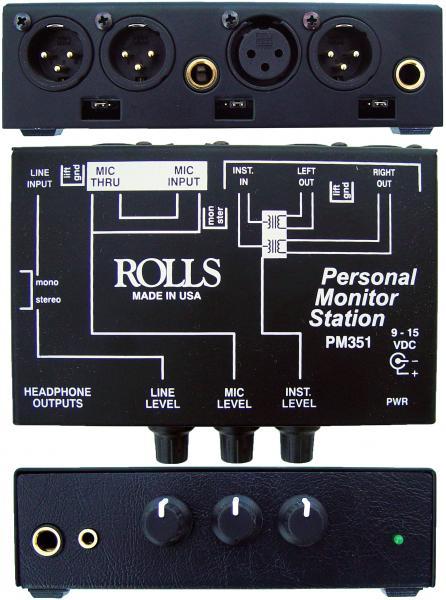
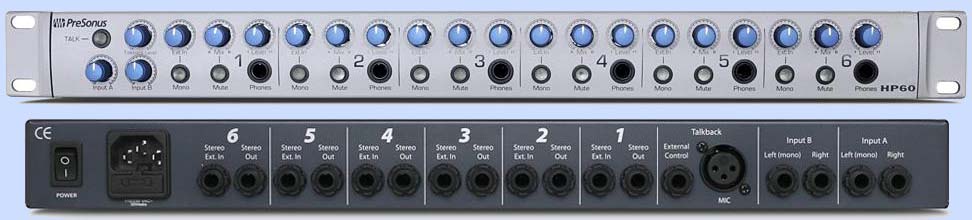
In that case, run 1 or 2 base stereo mixes through a headphone distribution amp (something as bare-bones as an Art HeadAmp 4; or something more flexible, like the PreSonus HP60). Send copies of the stereo mix(es) to each player's remote more-me station (one device per player, something like the Rolls PM351, PM55, or Behringer MA400).
If you'll be recording via laptop (or using a wired laptop as your main mixer control), it's also possible to use the XR18's headphone out as the source for another independent stereo aux mix, fed from your DAW. With two outputs feeding FOH, that still gives you four fully independent stereo mixes. Add an HP60, and you could have 1 shared stereo base mix + 6 independent (aux-fed) submixes w/out needing satellite more-me boxes.
Alternatively, augment a simpler headphone distribution amp with independent more-me boxes at each musician's stage position for the same capability, but with a more straightforward way for each musician to adjust the overall headphone volume and the level of the core band mix against his/her instrument and vocal mic.
A few tips about wired remote more-me boxes:
In that case, run 1 or 2 base stereo mixes through a headphone distribution amp (something as bare-bones as an Art HeadAmp 4; or something more flexible, like the PreSonus HP60). Send copies of the stereo mix(es) to each player's remote more-me station (one device per player, something like the Rolls PM351, PM55, or Behringer MA400).
If you'll be recording via laptop (or using a wired laptop as your main mixer control), it's also possible to use the XR18's headphone out as the source for another independent stereo aux mix, fed from your DAW. With two outputs feeding FOH, that still gives you four fully independent stereo mixes. Add an HP60, and you could have 1 shared stereo base mix + 6 independent (aux-fed) submixes w/out needing satellite more-me boxes.
Alternatively, augment a simpler headphone distribution amp with independent more-me boxes at each musician's stage position for the same capability, but with a more straightforward way for each musician to adjust the overall headphone volume and the level of the core band mix against his/her instrument and vocal mic.
A few tips about wired remote more-me boxes:
- Each more-me box needs power, and you want to avoid ground loops. Depending on your stage plot, a Invalid Link Removedor two fills the need.
- If you want vocal mics fed directly to more-me boxes but your group's singers are wedded to vocal reverb in their IEMs, consider getting minimal FX from a pedal-style box. (TC Helicon Mic Mechanic or somesuch works here.)
- Ideally, the more-me boxes go on pedalboards at any station that has more than one unit on the floor.
- If your band's self-mixed, then to keep the main benefit of a wifi mixer whoever will go out from with the tablet to dial in the sound-check mix would benefit from at least an instrument wireless.
- Teach everybody how to set up and control their own IEM station. Simplify, standardize, and label controls, cabling, & snakes.
- Think through your stage plot to avoid chaotic IEM cabling runs. My preference is to carry one or two short (light) stage snakes w/ TRS returns, which cleans up the stage, limits wear and tear on the mixer inputs, and reduces the crowd of musicians trying to access the mixer during set-up and strike.

Last edited: