
gorgomyte here for the last 20 years with each string change, cleans the frets too. gets the shmutz off (technical bass term here at DRBP headquarters…) and doesn’t seem to leave any residue. i have lemon oil too (stewmac) that i rarely use if i work on a bass that has really sat or been neglected for many years. i think if they aren’t stored properly, and aren;t played since there is oil in our fingers, then the rosewood can get a bit too dry. i’m sure not the expert here but this has worked really well for me.

Enjoy the benefits of a premium membership!
Upgrade Account
-
TalkBass has been independent since 1998. Add your voice.
Create a free account to reply to discussions, view embedded media, and browse with fewer display ads.
Join free Log in
Want zero display ads or expanded classifieds tools? Compare plans.
You are using an out of date browser. It may not display this or other websites correctly.
You should upgrade or use an alternative browser.
You should upgrade or use an alternative browser.
Caring for rosewood fingerboard.
- Thread starter Jinobass1
- Start date
More options
Who Replied?


That's what I use.I only use Music Nomad F-1 Oil.
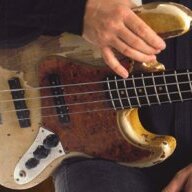



Millions (probably billions, actually) of people all over the world use various oils on the daily to combat dry and dehydrated skin. I use jojoba oil, myself.Where else do you combed dehydration with oil?
And Ive been using lemon oil on my fretboards, as well as the ones that I’ve set up for others for the last 30 years - works great!


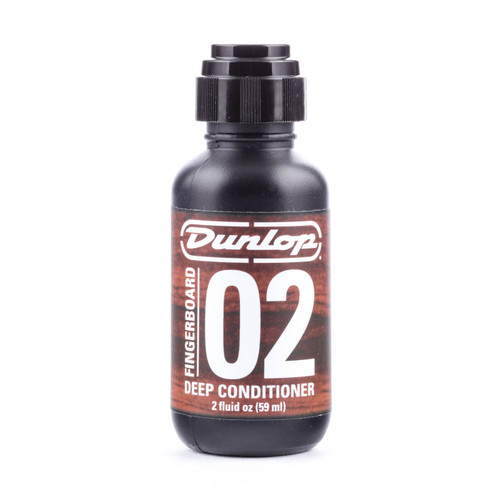

I use mineral oil. Roger Sadowsky recommends it for hydrating fingerboards. I apply a small amount with a piece of old cloth to my rosewood and ebony fingerboards every time I restring. It’s inexpensive, and a large bottle lasts for years. It’s a food grade product, and it’s found in the pharmacy at most stores, in the laxative section.
Same here. Been using mineral oil for 40 plus years. I only apply when needed. Usually once every couple years seems to be all mine need.
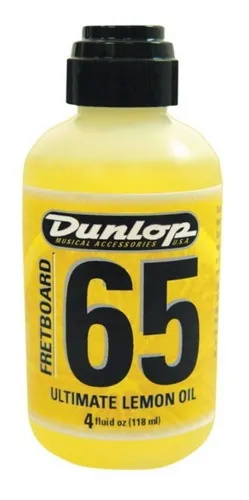
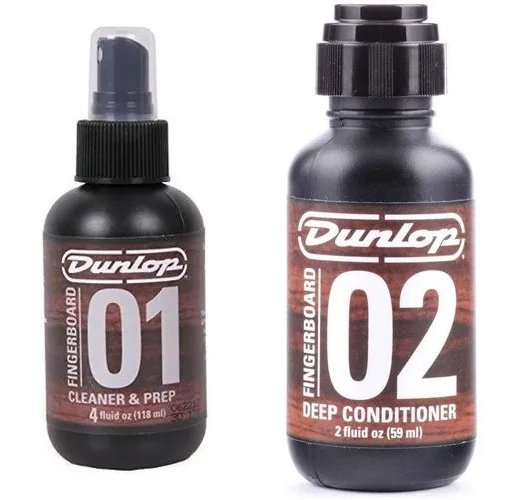

I use lemon oil
I have been told by people I consider to be expert (and my life experience back-ups the fact) that lemon oil tends to dry out fingerboards.
I know I have had several fingerboards through the years that resembled the photos OP posted. After about a year of use (No more than four times per year) those fingerboards didn't look like they have scratches in them.

Same here. I've been using this on my rosewood boards for years and years. Good stuff!View attachment 4920687 I use what Lakland uses and recommends…I like it!
I use mineral oil.
...
It’s a food grade product, and it’s found in the pharmacy at most stores, in the laxative section.
Takes the poopie right off.


I have a solid wenge neck on my DingWall and I care for it deeply.
That, my friend, is objectification - you need to love the whole bass.

I think there's more good options than bad, but I also use the Music Nomad oil and it works well. I usually use it every string change, which is about once a month. My bass is 20 years old now and the fretboard looks as good as ever with this routine.
When my board has some noticeable gunk on it, then I use the Dunlop lemon oil. That's probably 2-3 times a year.
For a deep clean this guide has some great tips. I'm definitely using a toothbrush around my frets next string change.
When my board has some noticeable gunk on it, then I use the Dunlop lemon oil. That's probably 2-3 times a year.
For a deep clean this guide has some great tips. I'm definitely using a toothbrush around my frets next string change.

^I use mineral oil. Roger Sadowsky recommends it for hydrating fingerboards. I apply a small amount with a piece of old cloth to my rosewood and ebony fingerboards every time I restring. It’s inexpensive, and a large bottle lasts for years. It’s a food grade product, and it’s found in the pharmacy at most stores, in the laxative section.
^
^
^
THIS
Also found in hardware stores.
Anything else has unnecessary additives.
I've had the same bottle of Howard's Wax n Feed for like 6 years and it makes fretboards or natural wood bodies look incredible


