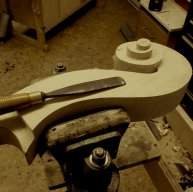
I just read an old post about someone havinging the length of their bass changed from 44" to 42.75". How does one do this without shortening the neck, since the length is determined by the distance from nut to bridge and the bridge is centered on the f-holes?

Enjoy the benefits of a premium membership!
Upgrade Account
-
TalkBass has been independent since 1998. Add your voice.
Create a free account to reply to discussions, view embedded media, and browse with fewer display ads.
Join free Log in
Want zero display ads or expanded classifieds tools? Compare plans.
Double Bass Changing the length
- Thread starter jayscheuerle
- Start date