That 5er was a great one. I am just so spoiled by my sub 9 lb Sadowskys that that bass was a little too heavy for me...but the tone was off the chain
I don't remember what the weight was but the the SR5 feels like an anchor.

TalkBass has been independent since 1998. Add your voice.
Create a free account to reply to discussions, view embedded media, and browse with fewer display ads.
Join free Log in
Want zero display ads or expanded classifieds tools? Compare plans.
That 5er was a great one. I am just so spoiled by my sub 9 lb Sadowskys that that bass was a little too heavy for me...but the tone was off the chain

Fine surface corrosion at contact points. You know, like how pots and switches get "dirty" over time especially if they don't get moved around much? Same thing. Admittedly, it might be a very long time before anything strange might happen, depending on your climate and such, but I just don't like those kinda' variables hanging over my head.I'm good at heeding to good advice.....just curious as to why? (I'm an idiot when it comes to most things, especially electronics)
Does it do something funky to the resistance? current? voltage?
Or is it just a "less crap to go wrong and break" kinda thing?


I don't remember what the weight was but the the SR5 feels like an anchor.
Not true. Maybe most typically, but not always. I had one that was right at 9, and it was smokin'.They always do
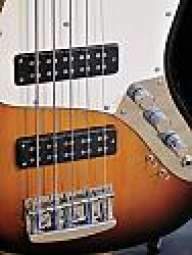
Fine surface corrosion at contact points. You know, like how pots and switches get "dirty" over time especially if they don't get moved around much? Same thing. Admittedly, it might be a very long time before anything strange might happen, depending on your climate and such, but I just don't like those kinda' variables hanging over my head.
Besides, you'd probably spend more time soldering the connectors as you would just soldering/re-soldering the pickups themselves anyway.
I also have had some light ones

I strongly recommend against putting connectors in the system like this. It's just too easy to solder, and solder is way more reliable especially over the longer term.

Right, and this is the key to the whole thing. My supposition, as also posted by BartmanPDX, is someone would typically settle on one and leave it there, making the "ease of swapping" totally moot.I think if you use good connectors, it is a much better solution than re-soldering every time, especially if you make the change fairly regularly.
Right, and this is the key to the whole thing. My supposition, as also posted by BartmanPDX, is someone would typically settle on one and leave it there, making the "ease of swapping" totally moot.

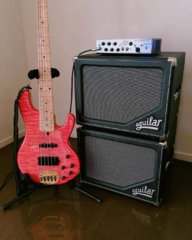

(...)
Invalid Link Removed(...)

That is the most likely market assessment.Right, and this is the key to the whole thing. My supposition, as also posted by BartmanPDX, is someone would typically settle on one and leave it there, making the "ease of swapping" totally moot.

Invalid Link Removed
Invalid Link Removed
Invalid Link Removed
Invalid Link Removed
[Invalid or Expired Link Removed]

Invalid Link Removed
[Invalid or Expired Link Removed]
[Invalid or Expired Link Removed]
Also, I'm very close to pulling the trigger on ordering a NYC 5'er. (my first)
I really dig the look of a P body with a PJ setup. Will the PJ setup be as versatile as my JJ metro? (I do a wide range of playing. P/W, rock, old funk, modern country, some reggae. No blues or metal.)
Oh my , that is too sexy!
.
.
Any insight? I know "you/us" Sadowsky players usually have alot to say.


