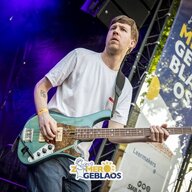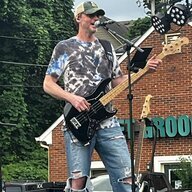
I think anyone who doesn't think a Sadowsky has enough presence in a mix is probably going to heavy on the bass/treble preamp and essentially scooping the mids out, or maybe screwing it up with their rig settings? For me, %15-20 of bass/treble is all that's needed, 20 being high. I had the Will Lee out last night and "cutting through" is absolutely not a problem.

Enjoy the benefits of a premium membership!
Upgrade Account
-
TalkBass has been independent since 1998. Add your voice.
Create a free account to reply to discussions, view embedded media, and browse with fewer display ads.
Join free Log in
Want zero display ads or expanded classifieds tools? Compare plans.
You are using an out of date browser. It may not display this or other websites correctly.
You should upgrade or use an alternative browser.
You should upgrade or use an alternative browser.
More options
Who Replied?
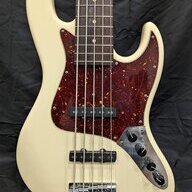
Or it could be that their particular Sadowsky doesn't have enough presence in the mix, it happens.
I think anyone who doesn't think a Sadowsky has enough presence in a mix is probably going to heavy on the bass/treble preamp and essentially scooping the mids out, or maybe screwing it up with their rig settings? For me, %15-20 of bass/treble is all that's needed, 20 being high. I had the Will Lee out last night and "cutting through" is absolutely not a problem.
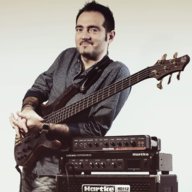
Wood should not have a significant effect on output. Pickup type, height, and placement make the biggest difference.
I was mentions that Rog because, sometime talking with some fellas, I find out most of someone refer the "hot output" to the concept of more punch, attack and clarity due to the woods.
By the way I think that my modern Sad is one of the highlander with the hot preamp, but honestly never issue with clipping

Could be a number of things. Just so happens Sadowsky basses are kinda known for their presence in a mix.Or it could be that their particular Sadowsky doesn't have enough presence in the mix, it happens.

I agree. I find that I prefer Alder and rosewood, ash and maple seem to have more "dead" spots in the mix.....Or it could be that their particular Sadowsky doesn't have enough presence in the mix, it happens.
I think anyone who doesn't think a Sadowsky has enough presence in a mix is probably going to heavy on the bass/treble preamp and essentially scooping the mids out, or maybe screwing it up with their rig settings? For me, %15-20 of bass/treble is all that's needed, 20 being high. I had the Will Lee out last night and "cutting through" is absolutely not a problem.
I definitely agree with you man.
Plus the tone stack preamp are really super easy to use, one of the things that made me really prefer it to the cut/boost preamps even on bass amps.
I think most of the time the problem is because there is a too much on the chain, onboard preamp, then some pedals work on the eq, then bass amp shaping on the preamp
I'm well aware of the Sadowsky reputation. However, based on my extensive experience not all Sadowsky's perform the same. My current NYC is the best one I've owned by a considerable amount. I'm hoping my soon to be completed NYC is as good or better.
Could be a number of things. Just so happens Sadowsky basses are kinda known for their presence in a mix.
That could possibly be it, he has been playing it through a noble preamp and I believe the noble is 2 bandI definitely agree with you man.
Plus the tone stack preamp are really super easy to use, one of the things that made me really prefer it to the cut/boost preamps even on bass amps.
I think most of the time the problem is because there is a too much on the chain, onboard preamp, then some pedals work on the eq, then bass amp shaping on the preamp
He does not want to get any EQ pedals or tweak an amp, he wants the control on the bass
If he's switching from the Fender to the Sadowsky he will need to tweak the EQ on the amp to get the sound he wants, but then he shouldn't have to tweak it again - same as when he dialed in the EQ settings for his Fender.
I think anyone who doesn't think a Sadowsky has enough presence in a mix is probably going to heavy on the bass/treble preamp and essentially scooping the mids out, or maybe screwing it up with their rig settings? For me, %15-20 of bass/treble is all that's needed, 20 being high. I had the Will Lee out last night and "cutting through" is absolutely not a problem.
I'd agree - in my (limited) experience with a few NYCs and Metros, the key is to resist the temptation to bump the pre highs and lows a lot ... keeping it under 20% ensures that there's enough mid-range content in the signal to hear yourself in a dense mix.
I agree. I find that I prefer Alder and rosewood, ash and maple seem to have more "dead" spots in the mix.....
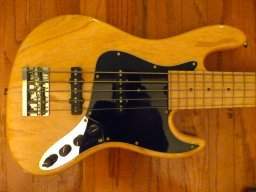
IMHO, from experience in playing arenas and large theaters, leave the preamp bass on zero. When I first got my Sadowsky in 2004 I boosted the low end and high end on the Preamp. It sounded great in my IEMs... No Amps allowed on stage for this tour.
I asked the font-of-house engineer how it sounded out front...he said, "I had to roll off a lot of 40hz". Those big rooms are bass traps. Now I leave the preamp mostly flat, except when my strings start to go dead...then I will add some treble, but only a tad. Midrange and upper frequencies are your friend in these rooms. My 2 cents.
Occasionally I will turn the VTC back to get a more Vintage dark tone.
YMMV!
I asked the font-of-house engineer how it sounded out front...he said, "I had to roll off a lot of 40hz". Those big rooms are bass traps. Now I leave the preamp mostly flat, except when my strings start to go dead...then I will add some treble, but only a tad. Midrange and upper frequencies are your friend in these rooms. My 2 cents.
Occasionally I will turn the VTC back to get a more Vintage dark tone.
YMMV!

. ' I
Also how have you managed your sound on a hard wood floor vs a carpeted floor.
Thanks for the info. When you have played with an amp in those types of rooms you mention what are your settings ?IMHO, from experience in playing arenas and large theaters, leave the preamp bass on zero. When I first got my Sadowsky in 2004 I boosted the low end and high end on the Preamp. It sounded great in my IEMs... No Amps allowed on stage for this tour.
I asked the font-of-house engineer how it sounded out front...he said, "I had to roll off a lot of 40hz". Those big rooms are bass traps. Now I leave the preamp mostly flat, except when my strings start to go dead...then I will add some treble, but only a tad. Midrange and upper frequencies are your friend in these rooms. My 2 cents.
Occasionally I will turn the VTC back to get a more Vintage dark tone.
YMMV!
Also how have you managed your sound on a hard wood floor vs a carpeted floor.

Ok guys, please don't shoot the messenger, I am really posting this for a friend that was always complaining of the weight of his Fender Jazz V to the point that he was having backpain, so I suggested that he should buy a Sadowsky Jazz 5, so he did, and he loves the quality, craftsmanship, adjustable nut and specially the weight BUT he is really struggling with the tone (2 band preamp) he says he feels like the bass won't cut as well as his Fender did as he was able to control the mid/range etc.....He seems to be a bit frustrated but wants to keep the bass, he asked me if there was anything he could do so I suggested to perhaps switch preamps.
Have any of you had this experience before? Have you replace the preamp on your Sadowsky or perhaps added a mid range pot or switch? Any other options? He does not want to get any EQ pedals or tweak an amp, he wants the control on the bass
My experience is that preamp/EQ/Comp or any effect couldn't help on my previous cheaper basses on cutting/attack issue, however I a had an EMG setup with parametric EQ on a 6 str TRB f.e.
I use the boost on my bass pre just slightly, sometimes nothing for keeping the nice midrange.
Here is an typic situation what tone I prefer: (sorry if it was posted already)
He could try other preamps and maybe he'll like them more, but I think keeping the factory pre would be beneficial if the bass will be sold.
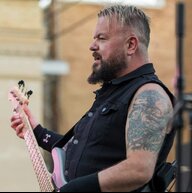
I agree with this 100% … working as many music stores and NAMM shows that I have, it’s always amazing to me how often the default is for people to just turn every knob up all the way.I think anyone who doesn't think a Sadowsky has enough presence in a mix is probably going to heavy on the bass/treble preamp and essentially scooping the mids out, or maybe screwing it up with their rig settings? For me, %15-20 of bass/treble is all that's needed, 20 being high. I had the Will Lee out last night and "cutting through" is absolutely not a problem.
I hardly use the onboard preamp at all, to be honest. I typically bypass the preamp and dime the PTC, EQ my amp to the room and then activate the preamp. 95% pf the time, it just sounds good. Occasionally I'll add a hair more sizzle or roll off a bit on the VTC, but I hardly ever touch the bass control.
IMHO, from experience in playing arenas and large theaters, leave the preamp bass on zero. When I first got my Sadowsky in 2004 I boosted the low end and high end on the Preamp. It sounded great in my IEMs... No Amps allowed on stage for this tour.
I asked the font-of-house engineer how it sounded out front...he said, "I had to roll off a lot of 40hz". Those big rooms are bass traps. Now I leave the preamp mostly flat, except when my strings start to go dead...then I will add some treble, but only a tad. Midrange and upper frequencies are your friend in these rooms. My 2 cents.
Occasionally I will turn the VTC back to get a more Vintage dark tone.
YMMV!
Oh, wow - this!
I had my reply typed up and saved in my drafts and then I read your reply ... sounds like we're on the same page.
And, for what it's worth, I regularly roll off as high as 60-70 Hz on my high-pass filter on my amps, so not unusual for the sound guy to comment on that.
Let me reply to the entire "Midrange" discussion. The area where my treble and bass bands do not overlap is around 400-500 Hz. As you boost treble and bass, you are attenuating the mids. So the less boost on both bands, the more midrange is present.
While I have always said less is more on the pre, I continue to get extraordinary compliments from recording engineers and front-of-house sound people that with Sadowsky basses, they do not have to touch a thing on the board. They are virtually "plug and play," and I consider these the best compliments I could receive. After 40+ years, I am also convinced that the attenuated mids contribute to how well the bass sits and the mix, both recorded and live.
This does not mean that more mids might not sound better to the player. Many years ago, Will Lee requested "more punch" from his basses. I tried everything I knew to give him that....woods, pickups, pickup locations, but I could never satisfy him. One day I told him to get a parametric EQ and tell me what frequencies matched the sound he heard in his head. He replied with 500 Hz. So that is exactly the "mid scoop" that my preamp creates.
Now the main reason I never had a mid control was that with a JFET circuit, you cannot change the mids without affecting the bass and treble. So I began prototyping 3 band op-amp preamps. However, with everyone I gave Will to try, he would reply, "It doesn't sound like my bass". The lesson here was that it is impossible to duplicate the sound of my JFET preamp with an op-amp circuit. So back to the drawing board and the way we created the mid boost for the Will Lee preamp was to piggyback a mid circuit on top of my JFET circuit.
Will tells me that he never uses the mid-boost in the studio. He only uses it for live playing.
So my suggestion, if you want more mids, is to adjust this on your amp or get a pedal that will boost the mids. I would hope you would not replace the preamp, as nothing else will sound like a Sadowsky.
While I have always said less is more on the pre, I continue to get extraordinary compliments from recording engineers and front-of-house sound people that with Sadowsky basses, they do not have to touch a thing on the board. They are virtually "plug and play," and I consider these the best compliments I could receive. After 40+ years, I am also convinced that the attenuated mids contribute to how well the bass sits and the mix, both recorded and live.
This does not mean that more mids might not sound better to the player. Many years ago, Will Lee requested "more punch" from his basses. I tried everything I knew to give him that....woods, pickups, pickup locations, but I could never satisfy him. One day I told him to get a parametric EQ and tell me what frequencies matched the sound he heard in his head. He replied with 500 Hz. So that is exactly the "mid scoop" that my preamp creates.
Now the main reason I never had a mid control was that with a JFET circuit, you cannot change the mids without affecting the bass and treble. So I began prototyping 3 band op-amp preamps. However, with everyone I gave Will to try, he would reply, "It doesn't sound like my bass". The lesson here was that it is impossible to duplicate the sound of my JFET preamp with an op-amp circuit. So back to the drawing board and the way we created the mid boost for the Will Lee preamp was to piggyback a mid circuit on top of my JFET circuit.
Will tells me that he never uses the mid-boost in the studio. He only uses it for live playing.
So my suggestion, if you want more mids, is to adjust this on your amp or get a pedal that will boost the mids. I would hope you would not replace the preamp, as nothing else will sound like a Sadowsky.
@Sadowsky then I'm running your pre-amp basically nearly flat, (mild mid-scoop), and it sounds great, so that's a testament to the pre-amp and bass itself. Live rooms the battle always seems to be boomy lows but that's less a bass thing and more a room EQ thing to deal with on the back end with amp and/or PA EQ.
Let me reply to the entire "Midrange" discussion. The area where my treble and bass bands do not overlap is around 400-500 Hz. As you boost treble and bass, you are attenuating the mids. So the less boost on both bands, the more midrange is present.
While I have always said less is more on the pre, I continue to get extraordinary compliments from recording engineers and front-of-house sound people that with Sadowsky basses, they do not have to touch a thing on the board. They are virtually "plug and play," and I consider these the best compliments I could receive. After 40+ years, I am also convinced that the attenuated mids contribute to how well the bass sits and the mix, both recorded and live.
This does not mean that more mids might not sound better to the player. Many years ago, Will Lee requested "more punch" from his basses. I tried everything I knew to give him that....woods, pickups, pickup locations, but I could never satisfy him. One day I told him to get a parametric EQ and tell me what frequencies matched the sound he heard in his head. He replied with 500 Hz. So that is exactly the "mid scoop" that my preamp creates.
Now the main reason I never had a mid control was that with a JFET circuit, you cannot change the mids without affecting the bass and treble. So I began prototyping 3 band op-amp preamps. However, with everyone I gave Will to try, he would reply, "It doesn't sound like my bass". The lesson here was that it is impossible to duplicate the sound of my JFET preamp with an op-amp circuit. So back to the drawing board and the way we created the mid boost for the Will Lee preamp was to piggyback a mid circuit on top of my JFET circuit.
Will tells me that he never uses the mid-boost in the studio. He only uses it for live playing.
So my suggestion, if you want more mids, is to adjust this on your amp or get a pedal that will boost the mids. I would hope you would not replace the preamp, as nothing else will sound like a Sadowsky.
Thank you for the reply Roger and I agree...NOTHING else sounds like a sadowsky bass or the preamp! I will pass this info to my friend
Apologies for drifting away from the mid-range conversation/topic ...
But man! that drummer in that clip just smokes! And it didn't look like he popped a bead of sweat.
Anyway, I have 4 of Roger's WONDERFUL basses and the only complaint that I have ever gotten was to turn down since the bass was cutting through too much. They really piss off guitarists.
But man! that drummer in that clip just smokes! And it didn't look like he popped a bead of sweat.
Anyway, I have 4 of Roger's WONDERFUL basses and the only complaint that I have ever gotten was to turn down since the bass was cutting through too much. They really piss off guitarists.