
Enjoy the benefits of a premium membership!
Upgrade Account
-
TalkBass has been independent since 1998. Add your voice.
Create a free account to reply to discussions, view embedded media, and browse with fewer display ads.
Join free Log in
Want zero display ads or expanded classifieds tools? Compare plans.
You are using an out of date browser. It may not display this or other websites correctly.
You should upgrade or use an alternative browser.
You should upgrade or use an alternative browser.
Cool rock n roll photos
- Thread starter Chad-Chicago
- Start date
More options
Who Replied?


I'm a Pepper, he's a Pepper, she's a Pepper, we're a Pepper, wouldn't you like to be a Pepper, too?


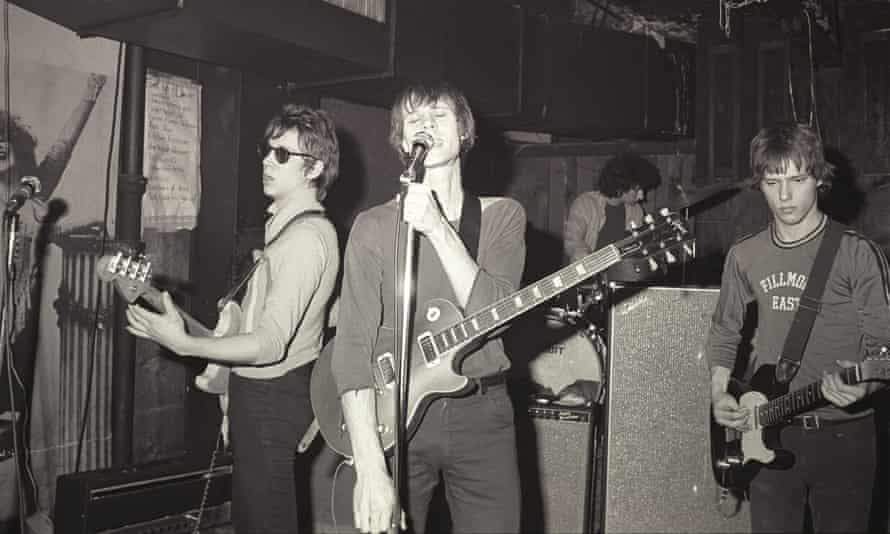
Television at CBGB in 1975, Richard Hell on bass. RIP Tom Verlaine.
True Motorhead!
D
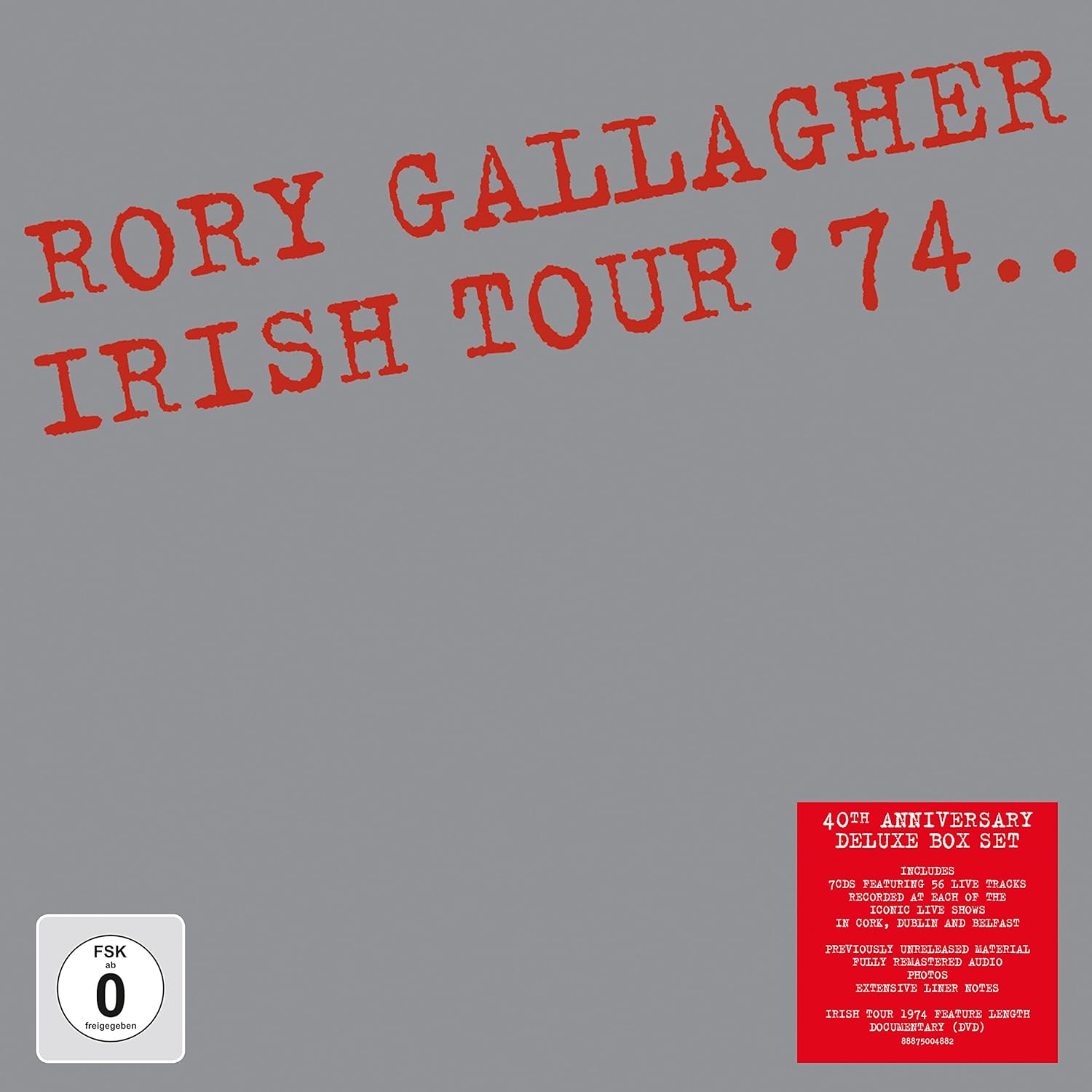
The Rory Gallagher YouTube channel updated the playlist for the four shows (56 songs in the list) 5 days ago!If you can track one down without having to pay stupid money (over 300 €, used, on Amazon.fr), this is a great 8-CD box set of four shows Rory played on a tour of Ireland. I bought it for a whole lot less when it was released.

Johnette Napolitano
(An almost Janis profile)
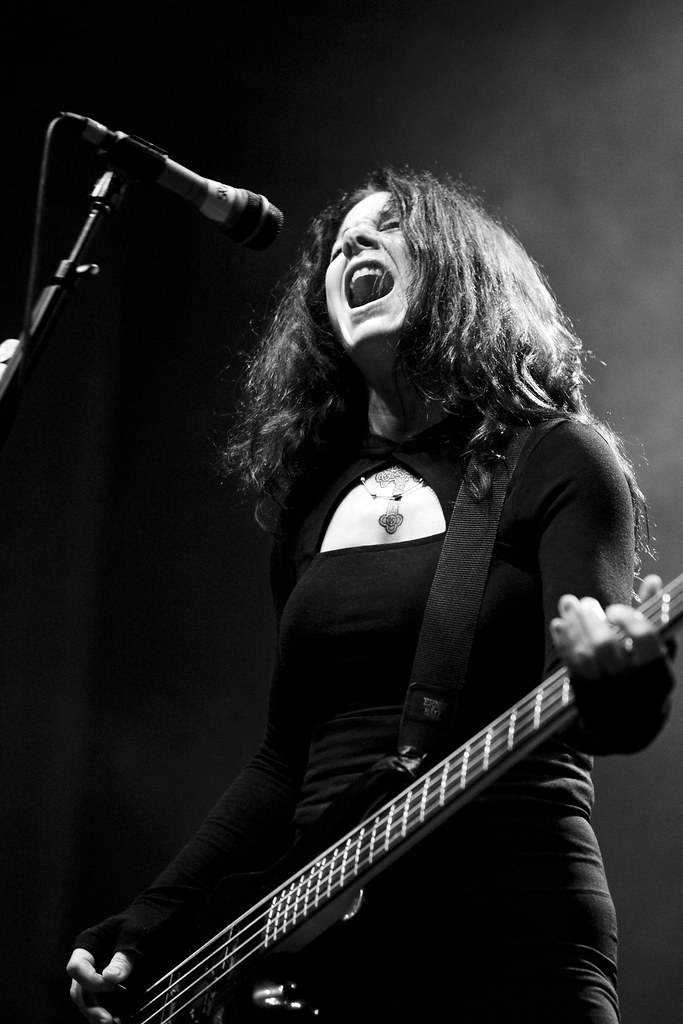
(An almost Janis profile)

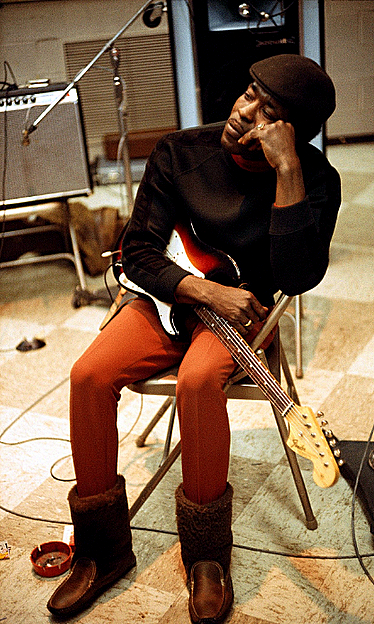
Buddy Guy during the legendary Fleetwood Mac Chess Blues session in Chicago, 1969
The studio, at 320 East 21st Street on Chicago's Near South Side, was filled with blues royalty: Otis Spann (Muddy Waters) on piano and vocals, a young Buddy Guy on guitar, David "Honeyboy" Edwards on guitar and vocals, Shakey Horton on harmonica, J.T. Brown on tenor sax and vocals, S.P. Leary on drums, and Dixon on upright bass. They jammed with a Fleetwood Mac in its early, blues-oriented incarnation, years before the addition of Lindsey Buckingham and Stevie Nicks led them on their iconic late 1970s run. That day, the band consisted of Mick Fleetwood, and John McVie, the namesakes, still with the band today, along with co-founder Peter Green, Jeremy Spencer, and Danny Kirwan they recorded eighteen tracks with no overdubs in one day, resulting in the album Fleetwood Mac in Chicago. It would be the first time contemporary rock musicians recorded in a studio with American blues musicians. In June 1964, The Rolling Stones had visited the previous Chess studio at 2120 South Michigan to record fourteen songs, but they did not use blues players. Photographer Jeff Lowenthal says that the day at Chess was a "good session" even though "they couldn't get all the guys they wanted, like Magic Sam. Michael Vernon didn't know until years later that Buddy Guy was having difficulties with Chess, so he wouldn't play any solos. But Willie Dixon was the factor that kept the sessions together, he took charge, he knew who the musicians were sleeping with that week and how much money they wanted to make. The blues guys came in to make money, they didn't know who these kids were. But when they heard Peter Green, especially, it was like 'Okay, this guy can play.', then they began to mesh and make good music. They were paying the blues guys off in cash in the toilet. I heard the story that I believe to be true that John McVie was on electric bass and trying to play one of these tunes with the blues guys. He can't get it. So Willie Dixon says, 'If you can't do it, I'll do it.' That's the kind of spark that happened."
Dave Hoekstra, New City Music Photo: Jeff Lowenthal
The studio, at 320 East 21st Street on Chicago's Near South Side, was filled with blues royalty: Otis Spann (Muddy Waters) on piano and vocals, a young Buddy Guy on guitar, David "Honeyboy" Edwards on guitar and vocals, Shakey Horton on harmonica, J.T. Brown on tenor sax and vocals, S.P. Leary on drums, and Dixon on upright bass. They jammed with a Fleetwood Mac in its early, blues-oriented incarnation, years before the addition of Lindsey Buckingham and Stevie Nicks led them on their iconic late 1970s run. That day, the band consisted of Mick Fleetwood, and John McVie, the namesakes, still with the band today, along with co-founder Peter Green, Jeremy Spencer, and Danny Kirwan they recorded eighteen tracks with no overdubs in one day, resulting in the album Fleetwood Mac in Chicago. It would be the first time contemporary rock musicians recorded in a studio with American blues musicians. In June 1964, The Rolling Stones had visited the previous Chess studio at 2120 South Michigan to record fourteen songs, but they did not use blues players. Photographer Jeff Lowenthal says that the day at Chess was a "good session" even though "they couldn't get all the guys they wanted, like Magic Sam. Michael Vernon didn't know until years later that Buddy Guy was having difficulties with Chess, so he wouldn't play any solos. But Willie Dixon was the factor that kept the sessions together, he took charge, he knew who the musicians were sleeping with that week and how much money they wanted to make. The blues guys came in to make money, they didn't know who these kids were. But when they heard Peter Green, especially, it was like 'Okay, this guy can play.', then they began to mesh and make good music. They were paying the blues guys off in cash in the toilet. I heard the story that I believe to be true that John McVie was on electric bass and trying to play one of these tunes with the blues guys. He can't get it. So Willie Dixon says, 'If you can't do it, I'll do it.' That's the kind of spark that happened."
Dave Hoekstra, New City Music Photo: Jeff Lowenthal
D
Buddy Guy was my introduction to Chicago blues during the summer of '65. I think he was around 17 years old. I was familiar with the river blues from St. Louis' Gaslight Square in the early '60s, when I could take the bus down, get a slice of pizza and a bottle of Coke and sit on a bench outside the clubs and listen to the music through windows open to the street. Loved it.Buddy Guy during the legendary Fleetwood Mac Chess Blues session in Chicago, 1969
The studio, at 320 East 21st Street on Chicago's Near South Side, was filled with blues royalty: Otis Spann (Muddy Waters) on piano and vocals, a young Buddy Guy on guitar, David "Honeyboy" Edwards on guitar and vocals, Shakey Horton on harmonica, J.T. Brown on tenor sax and vocals, S.P. Leary on drums, and Dixon on upright bass. They jammed with a Fleetwood Mac in its early, blues-oriented incarnation, years before the addition of Lindsey Buckingham and Stevie Nicks led them on their iconic late 1970s run. That day, the band consisted of Mick Fleetwood, and John McVie, the namesakes, still with the band today, along with co-founder Peter Green, Jeremy Spencer, and Danny Kirwan they recorded eighteen tracks with no overdubs in one day, resulting in the album Fleetwood Mac in Chicago. It would be the first time contemporary rock musicians recorded in a studio with American blues musicians. In June 1964, The Rolling Stones had visited the previous Chess studio at 2120 South Michigan to record fourteen songs, but they did not use blues players. Photographer Jeff Lowenthal says that the day at Chess was a "good session" even though "they couldn't get all the guys they wanted, like Magic Sam. Michael Vernon didn't know until years later that Buddy Guy was having difficulties with Chess, so he wouldn't play any solos. But Willie Dixon was the factor that kept the sessions together, he took charge, he knew who the musicians were sleeping with that week and how much money they wanted to make. The blues guys came in to make money, they didn't know who these kids were. But when they heard Peter Green, especially, it was like 'Okay, this guy can play.', then they began to mesh and make good music. They were paying the blues guys off in cash in the toilet. I heard the story that I believe to be true that John McVie was on electric bass and trying to play one of these tunes with the blues guys. He can't get it. So Willie Dixon says, 'If you can't do it, I'll do it.' That's the kind of spark that happened."
Dave Hoekstra, New City Music Photo: Jeff Lowenthal
View attachment 4952602
Link Removed
Link Removed

Last edited:
and just like that, Paul was almost dead again
Invalid Link Removed
Paul McCartney narrowly avoids being struck by car while recreating iconic Abbey Road walk
Invalid Link Removed
Paul McCartney narrowly avoids being struck by car while recreating iconic Abbey Road walk

IMMusicRulz
Commercial User
Al Jardine on bass, David Marks on rhythm guitar, Mike Love on saxophone.
IMMusicRulz
Commercial User
Looks like an old pro waiting for those white kids to quit [messing] around and play the damn music so I can record my parts and get out of here.Buddy Guy during the legendary Fleetwood Mac Chess Blues session in Chicago, 1969...
View attachment 4952602

Buddy Guy was my introduction to Chicago blues during the summer of '65. I think he was around 17 years old. I was familiar with the river blues from St. Louis' Gaslight Square in the early '60s, when I could take the bus down, get a slice of pizza and a bottle of Coke and sit on a bench outside the clubs and listen to the music through windows open to the street. Loved it.
Link Removed
Link Removed
Buddy would have been 28 or 29 in 1966, depending on the month. He was born in 1936. I've seen him live twice in Memphis in the '90s. Excellent, and seems like a genuinely nice guy on top of it.


