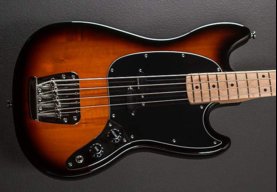
If a 4 string enables you to play better than a 5 you should stick with it. Maybe get a 5 in addition to the 4 so you have the option when needed. That Low B is nice to have in some settings, but not essential.

TalkBass has been independent since 1998. Add your voice.
Create a free account to reply to discussions, view embedded media, and browse with fewer display ads.
Join free Log in
Want zero display ads or expanded classifieds tools? Compare plans.

I think we may be having waffles, but I'm not really sure.I am here for the breakfast

Here's my take. So when you play the 4 string take stock on how often you play anything using the g string. On your 6 take stock on the g&c string how often you use it. If it's barely or not at all you won't miss anything by getting a 4 string and using bead or drop tuning. On a different note I've tried 6 string out and I don't really like how wide the neck is. I like the chords and possibilities of the high c but to me I'd rather be comfortable so I find 5ers to be my favorite. I also like narrow string spacing so it just works for me. Check it out and see.I like the idea of having that low B string. As a practical matter though, what are the real benefits of it. I'm not sure if the perks of having those couple of notes out weighs the practical advantages of the lighter weight, smaller neck etc that would be in play 100% of the time.
I am considering options for a very "modern" bass. I have a 6 string and that neck is so wide the instrument is a beast to play. It is not really giving me a good read on the value of the low B. I am still leaning towards a modern 4, but I don't want any personal bias' from my experience with that 6 to influence the choice

I read a yes here...Should you get a 5 string bass?
Of course you should.
Just make sure it's the right one for you and your needs.
There's three reasons why I sold all my 5 string basses.
1: I went over to passive basses and I can't get a passive 5 string locally. Can't try before I buy.
2: The necks were either to wide or to narrow which made playing them uncomfortable and/or prone to mistakes.
3: I was no longer in a situation that called for a 5 string bass.
Would I have another 5 string?
Sure... if I could find the right one.


I think we may be having waffles, but I'm not really sure.

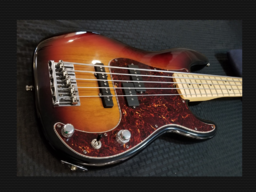
Depends on who I'm playing with. With my classic "hard rock only" band a four is fine. I have a D-tuner on it, but only use that on a couple songs. I have occasionally used a 5 string with these guys, but not noticed much advantage.Do you have to have a 5?

I use those for poppin' my slaps.Here's my take. So when you play the 4 string take stock on how often you play anything using the g string. On your 6 take stock on the g&c string how often you use it. If it's barely or not at all you won't miss anything by getting a 4 string and using bead or drop tuning. On a different note I've tried 6 string out and I don't really like how wide the neck is. I like the chords and possibilities of the high c but to me I'd rather be comfortable so I find 5ers to be my favorite. I also like narrow string spacing so it just works for me. Check it out and see.
I have not forgotten about that reality...Oh, and don't forget that the more strings you have the more strings you have to mute. I don't get folks who play 5-strings but never seem to use the B string. You really want to mute that thing and never play it?
What I would say is that if you want a 5 make sure it's a good one, one that has a really good B string all the way up and down the neck.

Jaco only needed 4.
Amirite? Amirite? Amirite? Amirite?!?!?!