

Enjoy the benefits of a premium membership!
Upgrade Account
-
TalkBass has been independent since 1998. Add your voice.
Create a free account to reply to discussions, view embedded media, and browse with fewer display ads.
Join free Log in
Want zero display ads or expanded classifieds tools? Compare plans.
You are using an out of date browser. It may not display this or other websites correctly.
You should upgrade or use an alternative browser.
You should upgrade or use an alternative browser.
Do you think thumb rests will ever come back in style?
- Thread starter MAJOR METAL
- Start date
More options
Who Replied?
I don't think it's a matter of style, really. Although, if you want to play your bass in the "style" that electric basses were played in the '50s - early '60s? Then, yeah, you pretty much need a thumb rest - or even a tug bar. But, play a bass the way they're played now, and they are... well, not exactly in the way (most of the time), but they are pretty useless. Personally, though, Most of the music I play was written in the '50s - early '60s, and I do play it the way it was played back then. Assuming, that is, that it wasn't originally played on an upright bass. So, yes, the thumb rest on every bass I own that has one, does get used. I've also put thumb rests on a couple that don't come with one now - but used to. And, a couple of others that never had one, got really nice ones, from a guy in the UK that makes them. Matter of fact; I recently got a really nice older fretless bass (my first fretless), and I'm seriously thinking about putting a tug bar on it, to facilitate playing it like an upright is played. We'll just have to see how it goes, for now...Either on the bass or treble side of the strings?
I hope so. I see great utility in placing them between the pickups on a 2 pickup bass.



It’s a little known fact that Leo put the so called “tug bar” below the G to prevent slap bass playing. He hated slap bass. It drove him nuts. When he sold Fender to CBS in 1965, Leo stipulated in the contract that the tug bar must remain below the G string as a slap guard for 9 years. Then, in 1974, having fulfilled their contractual obligation, CBS executives gave the long anticipated order to move the tug bar slap guard to above the E string to be used as a thumb rest. Finally, free of the restrictive anti-slap engineering control designed by Leo Fender, bassists started beating their instruments mercilessly with their thumbs. Much bass slapping ensued in the years since 1974. In the mid 1980s, the execs at Fender were surprised by research data showing the thumb rest was rarely ever used due to the preponderance of bassists slapping instead of plucking their basses, so the thumb rest was removed as a cost saving measure thereby saving the company from a most certain looming bankruptcy. Leo recognized he lost the “war against slap” years prior to Fender removing the thumb rest and had already designed the Stingray to cash in on the slap trend that he predicted would last until he invented punk rock the following year.
You’re welcome.
As plausible as an explanation as I’ve ever heard. Well done!!
Either on the bass or treble side of the strings?
I hope so. I see great utility in placing them between the pickups on a 2 pickup bass.
‘I dunno. I tend to think of a tug bar like my appendix. I can live without it.
Seriously, if you have to “anchor” your thumb to develop enough torque to pluck, you may want to revisit your technique. if it’s used is as a locational device I get it, but there are other things already on the bass for that purpose. like the neck (Jamerson) pick up and pick up cover, or that 5th string you never use.
For those that use the highly recommended floating thumb technic, anything in the way is going to be a toast nuisance.
Last edited:

In 2015 Fender released the American Standard Jaguar bass. This has very sharp switches that will catch, and cause significant damage to, the unwary players' knuckles should they attempt to slap.It’s a little known fact that Leo put the so called “tug bar” below the G to prevent slap bass playing. He hated slap bass. It drove him nuts. When he sold Fender to CBS in 1965, Leo stipulated in the contract that the tug bar must remain below the G string as a slap guard for 9 years. Then, in 1974, having fulfilled their contractual obligation, CBS executives gave the long anticipated order to move the tug bar slap guard to above the E string to be used as a thumb rest. Finally, free of the restrictive anti-slap engineering control designed by Leo Fender, bassists started beating their instruments mercilessly with their thumbs. Much bass slapping ensued in the years since 1974. In the mid 1980s, the execs at Fender were surprised by research data showing the thumb rest was rarely ever used due to the preponderance of bassists slapping instead of plucking their basses, so the thumb rest was removed as a cost saving measure thereby saving the company from a most certain looming bankruptcy. Leo recognized he lost the “war against slap” years prior to Fender removing the thumb rest and had already designed the Stingray to cash in on the slap trend that he predicted would last until he invented punk rock the following year.
You’re welcome.


I put thumb rests on a couple of my basses. The original P-Bass had the same device below the strongs, Leo called it a finger pull, I think. He thought bass players would be playing with their thumb but since many of those early electric bass players were 6 string guitar players and many used a pick. The upright bassist that came over to the electric bass used their fingers, like the did on the upright. I pluck strings somewhat like Jack Bruce, without the talent. I used my index finger a lot and sometimes index and middle. Sometimes even my ring finger, if it decides to participate. I'm a beginner but an intermediate guitar player.
I just joined here, seems like a good place to learn about playing bass.
I just joined here, seems like a good place to learn about playing bass.
That's how I figured it was.Are we saying "tug bar" to mean the block below the strings and "thumb rest" for above? Definitions seem to be going both ways in this thread.
The below-strings bar was to give some leverage/resistance for the thumb pluck in order to give it some force. Pick players don't need it, nor do finger-style players. Many finger players don't need the top bar, either. There are other places they can rest their thumbs in order to achieve leverage.
That's a really nice bass, I have a VM Jaguar bass, I love it. The Pickups on mine are Alnico but don't have the Duncan Design logo on them. I don't have plans to change them, I was just curious why mine didn't have the DD logo. My VM Strat had the DD Pickups.I installed a thumb rest on my Squier VM JB. I like it and use it. That's all that matters.
View attachment 5276792

On my first basses I learned on there never was a thumbrest/tug bar. So I never really gave them a thought. I can see some use for them but never installed one.
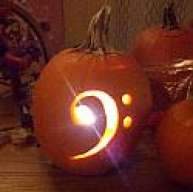
I always put thumbrests on my basses that I shape out of wood and attach with double-stick mounting squares:

That's a really nice bass, I have a VM Jaguar bass, I love it. The Pickups on mine are Alnico but don't have the Duncan Design logo on them. I don't have plans to change them, I was just curious why mine didn't have the DD logo. My VM Strat had the DD Pickups.
Don't know about your pups, but thanks, I love the look of it. My daughter got it for me a few years ago. No matter what, it will always be in my collection. Plus I love playing it, so that helps!

Thumb rests lost a lot of their utility when two-pickup basses became more common, so they mostly reside on single pickup basses, like PBasses, where they were born.
Well, there are these
View attachment upload_2023-12-8_11-23-41.webp
and the National N50 bass, all of whose internet images seem to have been taken down.
But you are correct: most of the basses with tug bars were single pickup. But then, at that time most basses were single pickup.
Attachments


who cares what I think
I'm gonna go have a beer while not caring what I think.
Didn't Guild put these on many of there basses? And in some cases they put on two, in case you couldn't decide.


I have a "tug bar" on my MIJ P bass, with flats. I often play with my thumb on the P and it comes in handy as an anchor. I also have the bridge cover on it, with the underside mute. Old school.


