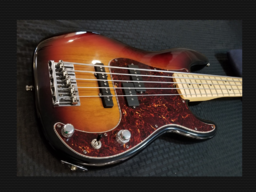
My dearly departed "Road worn" and Mike Dirnt "Road Worn" basses were pretty light. I'm playing 5s only (ish) now though and they are all 9+.
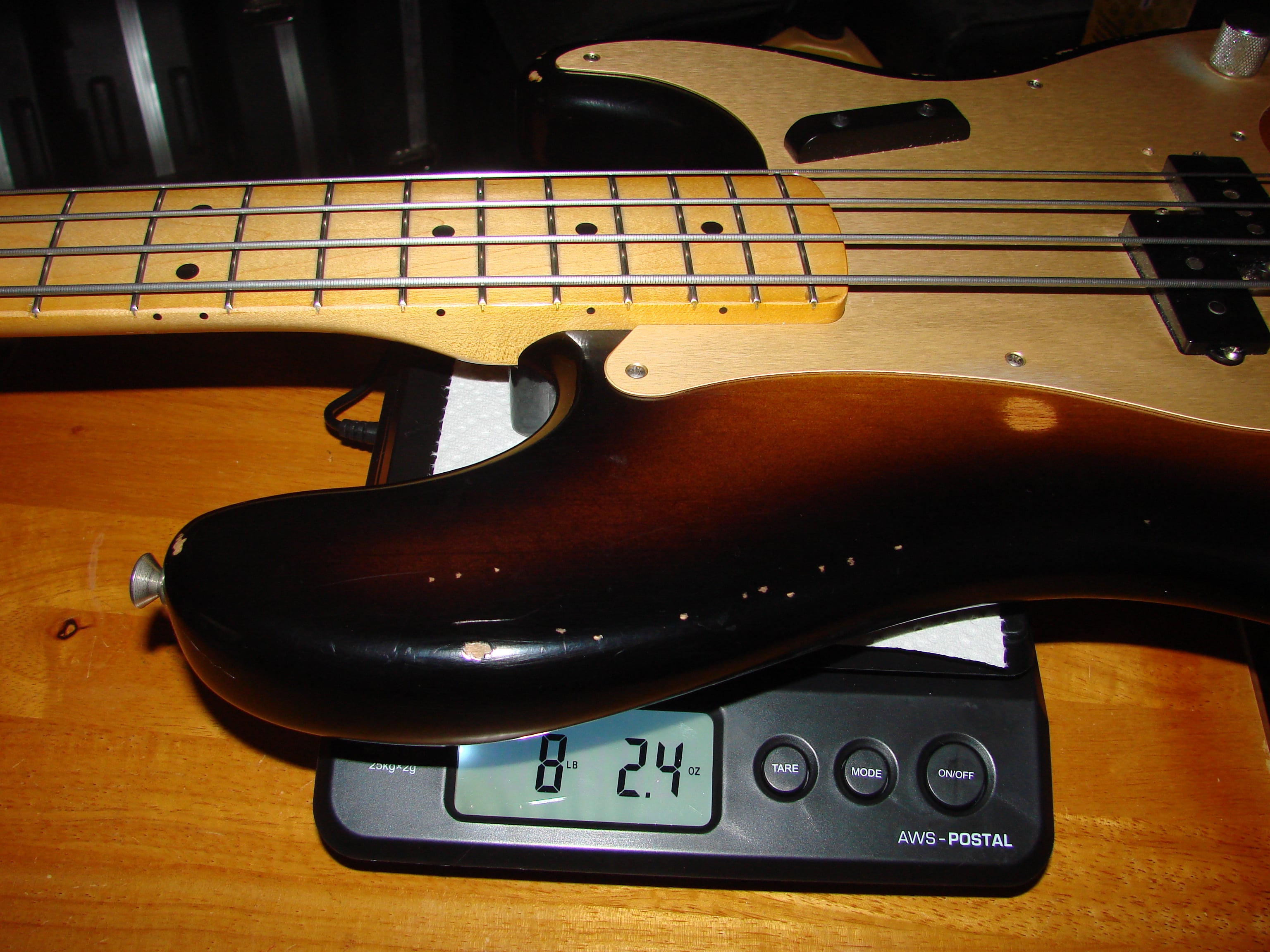
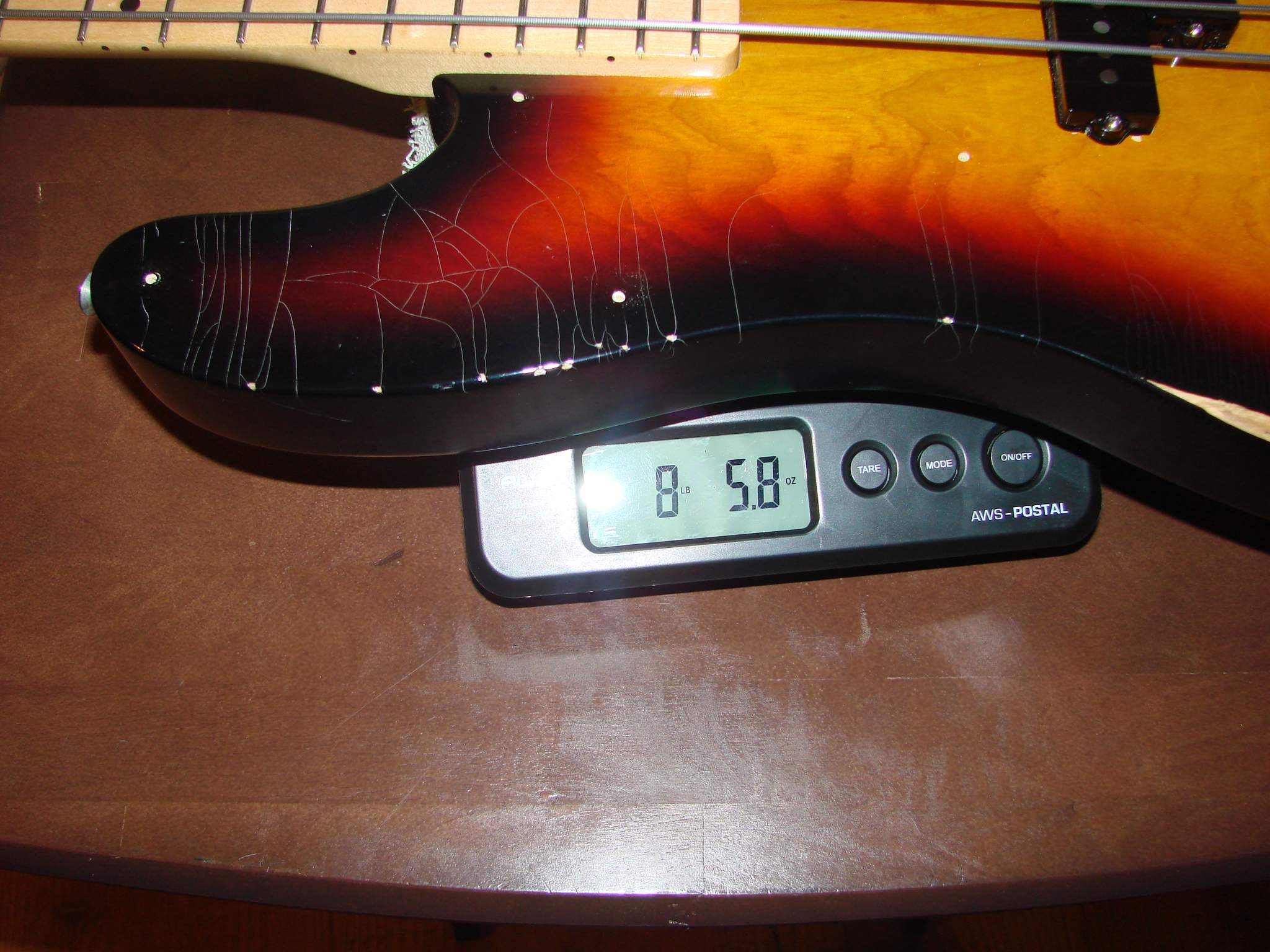

TalkBass has been independent since 1998. Add your voice.
Create a free account to reply to discussions, view embedded media, and browse with fewer display ads.
Join free Log in
Want zero display ads or expanded classifieds tools? Compare plans.

He asked for a P, so I presumed a typical FSO.not if the body is designed properly.
As above, but it's also about not having a huge flipper of a headstock with 4IL of those ancient heavy tuners Fender use. I understand levers perfectly well.It's all about the top horn extension.


I'll take the one on the left, please.


That one is my "lockdown" bass that I built early last summer when I was locked down and bored. I ran across that beautiful lightweight MJT swamp ash slab on eBay and went from there. The Res-O-Lite tuners keep things balanced.I'll take the one on the left, please.
I made use of the lockdown by doing many tweaks to basses & cabs.That one is my "lockdown" bass that I built early last summer when I was locked down and bored. I ran across that beautiful lightweight MJT swamp ash slab on eBay and went from there. The Res-O-Lite tuners keep things balanced.


look for a G&L LB100 with an Empress body. If they can make a jazz below 8lbs then they can do it with P



But if the top horn is modified then it's not a traditional P-bass body anymore. The traditional P-bass shape and horn length makes it very hard to get a p-bass much under 8 pounds without neck dive, even with ultralight tuners. Much the same way it's hard to get a truly lightweight Jazz bass without shrinking or chambering the body. The original design's shapes and sizes impose some hard-to-overcome limitationsnot if the body is designed properly. My pawar/willis (pawar build with willis style body) is 7.5lbs, perfectly balanced. It's all about the top horn extension.

please actually read my post. I didn't say "from fender"...