• TalkBass has been independent since 1998. Add your voice.
    Create a free account to reply to discussions, view embedded media, and browse with fewer display ads.
    Join freeLog in
    Want zero display ads or expanded classifieds tools? Compare plans.

Finish for Walnut

How do you finish walnut ?

  • Tung Oil

    Votes: 11 19.0%
  • Danish oil

    Votes: 8 13.8%
  • Oil and walnut dust mix

    Votes: 1 1.7%
  • Grain filler then oil

    Votes: 4 6.9%
  • Oil & wax

    Votes: 12 20.7%
  • Carrot juice

    Votes: 22 37.9%

  • Total voters
    58
Oct 31, 2016
1,893
6,597
Scotland
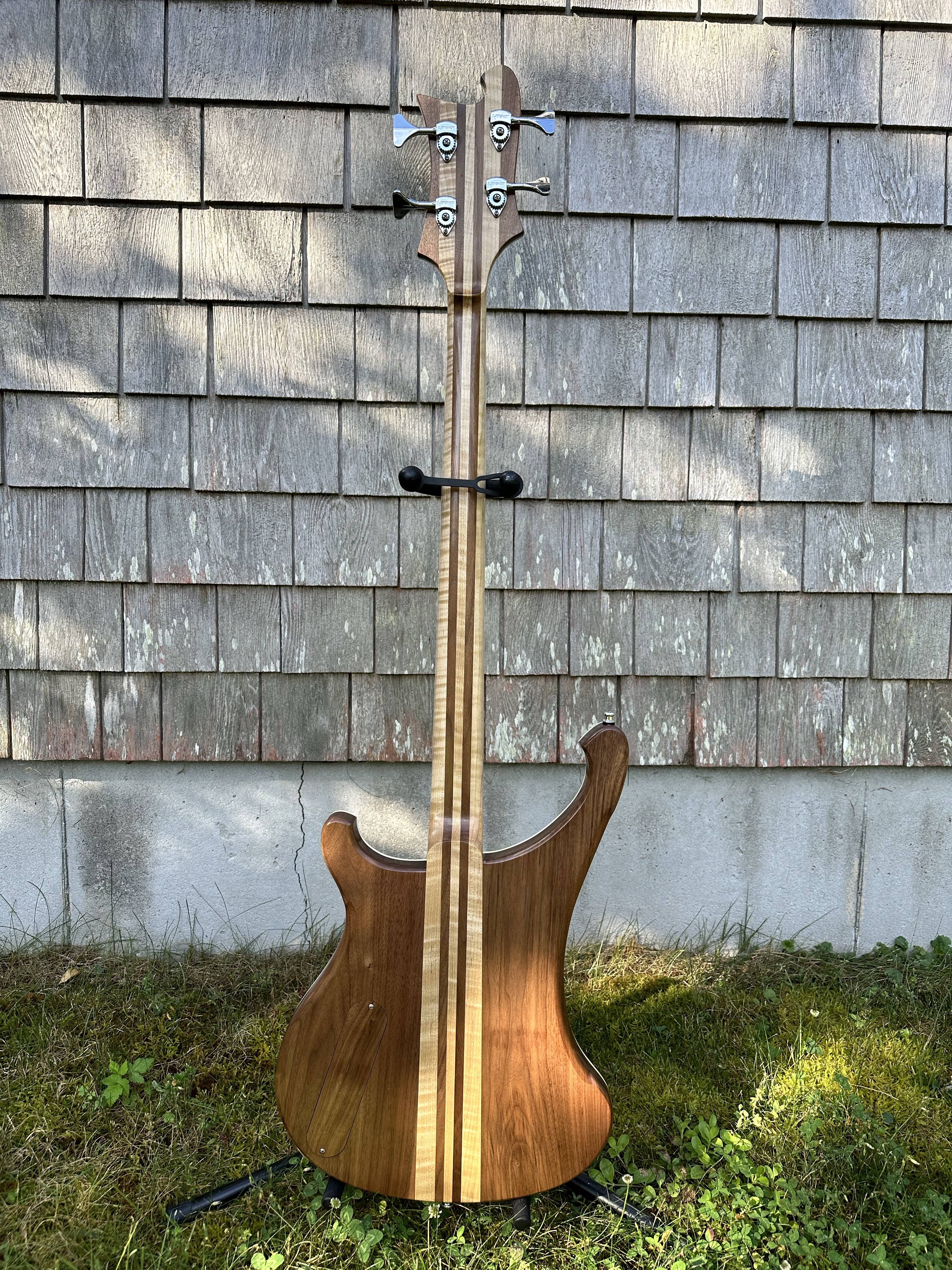
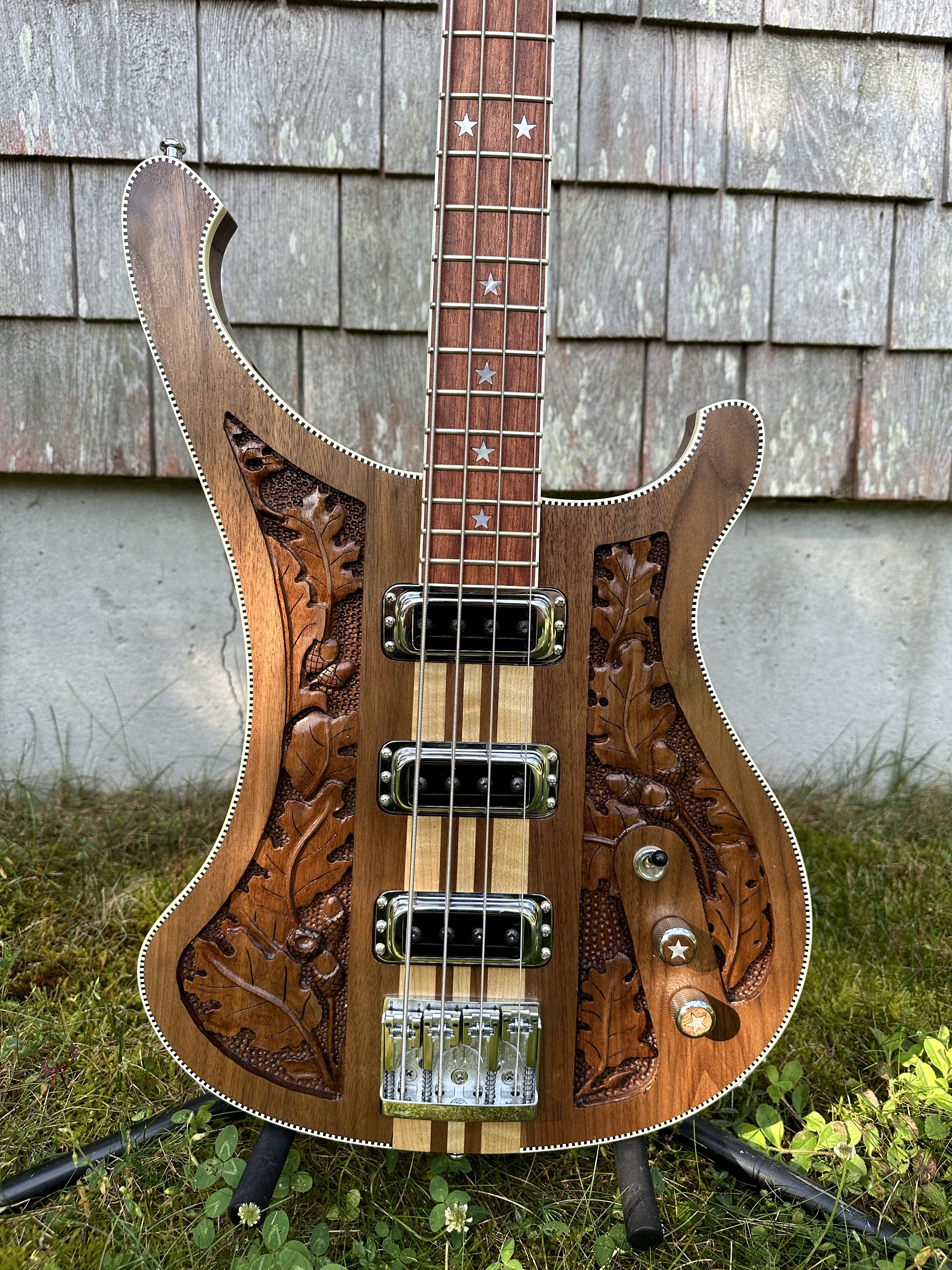
I recently bought a natural finish walnut bass as a custom build. I wanted it left natural as I couldn’t decide on the finish and I thought natural might be fine anyway. It’s a great looking instrument but the grain is more open than I expected and I want a smoother finish. I also want to show the grain off more. I’m not a luthier but I have furniture restoration experience. I’m thinking of Danish oil as I’ve heard that works well with open grain. I also have beeswax here but would that get stuck in the open grain and look bad? I don’t really like glossy finishes.
What is your go to finish for walnut tops?
 
  • Like
Reactions: Adjectives
It depends on what you’re looking for. If you want the finish to be smooth you’re going to need to use some type of grain or pore filler. Oil can eventually fill pores but that’s going to take a lot of oil and coats. If you really want to accentuate the grain / pores you can dye the filler black or dark brown but that’s a look I wouldn’t typically go for on walnut, it may be just what you’re after however. I’m assuming you don’t have any scrap walnut so maybe test that in a pickup route or control cavity before you commit to the whole body. For an oil finish I’d probably use TruOil gunstock finish but I don’t know if that’s available in Scotland. Another consideration is a wipe on polyurethane finish which should build quicker than oil and be more durable in the long run. Again, I’m not sure what brands are available there.
 
I like oil finish for Walnut. Watco Danish is stupid easy, but it will never be shinier than satin. If you want more of a gloss finish, Tru-Oil is just as easy, and dries quicker. Wipe-On poly is another good option, any of those will amber the wood a bit, but that looks great on Walnut, pops the grain. Water based poly tends to look kind of lifeless on Walnut IME. Minwax makes an oil-modified water based finish, but I haven’t tried it.
 
  • Like
Reactions: Yonni
I recently bought a natural finish walnut bass as a custom build. I wanted it left natural as I couldn’t decide on the finish and I thought natural might be fine anyway. It’s a great looking instrument but the grain is more open than I expected and I want a smoother finish. I also want to show the grain off more. I’m not a luthier but I have furniture restoration experience. I’m thinking of Danish oil as I’ve heard that works well with open grain. I also have beeswax here but would that get stuck in the open grain and look bad? I don’t really like glossy finishes.
What is your go to finish for walnut tops?
My favorite is a sanded-in finish using an oil-based finish like Liberon Finishing Oil (I posted a thread on the subject, which was "stickied.")
 
My bass is a walnut body “studio” finish - not flashy, really just about raw wood and nice pickups.

I did the “oil and dust” via Watco Danish oil (or a similar polymerized danish oil) and steel wool wet sanding for the first few applications. That handled most of the grain filling for me. After that I did a handful of applications with a cotton rag. Then finished with a couple coats Renaissance Wax to work it up towards a satin finish. I don’t think it ever made it to proper satin, but it’s probably more comparable to a really nice brand new cutting board.

Overall, I’m very happy with it, and it’s held up well enough without any maintenance over the last couple years. At first I’d wished that I’d tinted it to warm up the color a touch, but it’s warmed on its own over time. It could probably take a light sanding and refresh on the wax soon.

Maybe not the most glamorous finish, but stupid simple, especially if you don’t have any experience with finishing.

IMG_6989.jpeg
IMG_6991.jpeg
 
My Warmoth walnut Jazz was Tru-oil grain filler, fifteen coats of Tru-oil (allowed to dry, and sanded down every three coats, and the burnished with car wax to a shine. After thirty years the only blemish is a thumb gouge over one pickup, and it's still as shiny as it was the day it was finished.
 

Attachments

  • 511150224_10237137945245476_3839150006012091288_n.jpg
    511150224_10237137945245476_3839150006012091288_n.jpg
    50.7 KB · Views: 30
I vote oil and wax (I like Tru-Oil).

First few rounds of oil, you could rub it in with fine sandpaper (wet sand it) to pore fill (go with the grain). Then a good dozen or so more rounds of oil, then a handful of rounds with wax for a protective outer layer and you're set!
 
  • Like
Reactions: Yonni
My favorite is a sanded-in finish using an oil-based finish like Liberon Finishing Oil (I posted a thread on the subject, which was "stickied.")

I've done this on walnut table tops and second it. You're essentially wet sanding with the oil, using the slurry made with the actual wood as pore filler.

It takes time, but it can look fantastic.
 
Lots of opinions and options, thanks everyone. I also messaged Simon Gilboy of Gilboys finishing products. He agreed with several oil coats and a wax finish or a good few coats of a hardwax oil. I’m going to Danish oil and Rose Gold wax it. TruOil is available here but I think its imported from Germany and very expensive.
 
Based on the fact that Walnut turns orange as it ages and directly proportionately to sun exposure, I stain everything with black or dark walnut stain prior to doing anything to it, regardless of the topcoat choice. Most clients have no idea of this effect until a few years in the sun does the deed. Watching a natural deep brown, classic walnut kitchen go pumpkin orange over the years is really no fun. Of course, topcoats used claim UV resistant properties, but mother nature always wins in the long run.

A pigmented stain helps protect the color a little as well as deepens it in hopes of reducing the garishness of the amber/orange patina that is inevitable.
If I owned a walnut instrument, I'd only take it out under the light of the stage. In fact, I have a rosewood instrument that suffered the same fate....

I recently revived a 20 year old Chapman stick made of rosewood that had gone almost a banana yellow, based on previous owner's lack of maintenance and likely leaving it out on display in a sunlit room for years. It was outright shocking how much deep ruddy brown was hiding under that oxidation, but it took a judicious amount of sanding/scraping to reveal. Of course, I used a dark walnut colored Watco to restore and seal, given the fact that once again, it's a beautiful dark wood that goes straight to hell with too much sun exposure.

Beautiful instruments, all the above, just be aware of this reality of color shift over time. It happens gradually enough that you may not notice immediately, but a photo from a handful of years before and after sunning will make the effect obvious.

FYI, FWIW.
 
  • Like
Reactions: Yonni