• TalkBass has been independent since 1998. Add your voice.
    Create a free account to reply to discussions, view embedded media, and browse with fewer display ads.
    Join freeLog in
    Want zero display ads or expanded classifieds tools? Compare plans.

First bass build/improvements

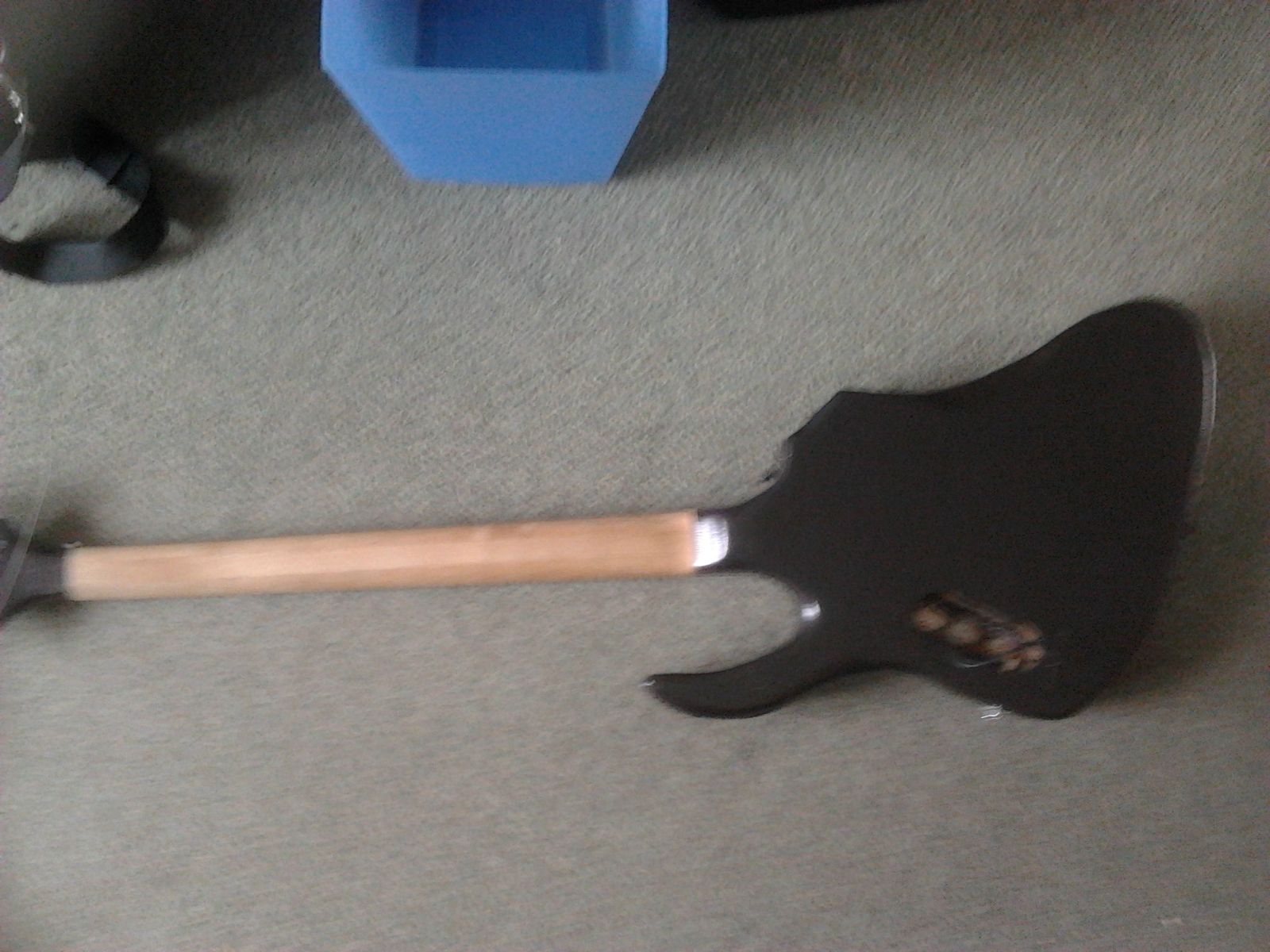
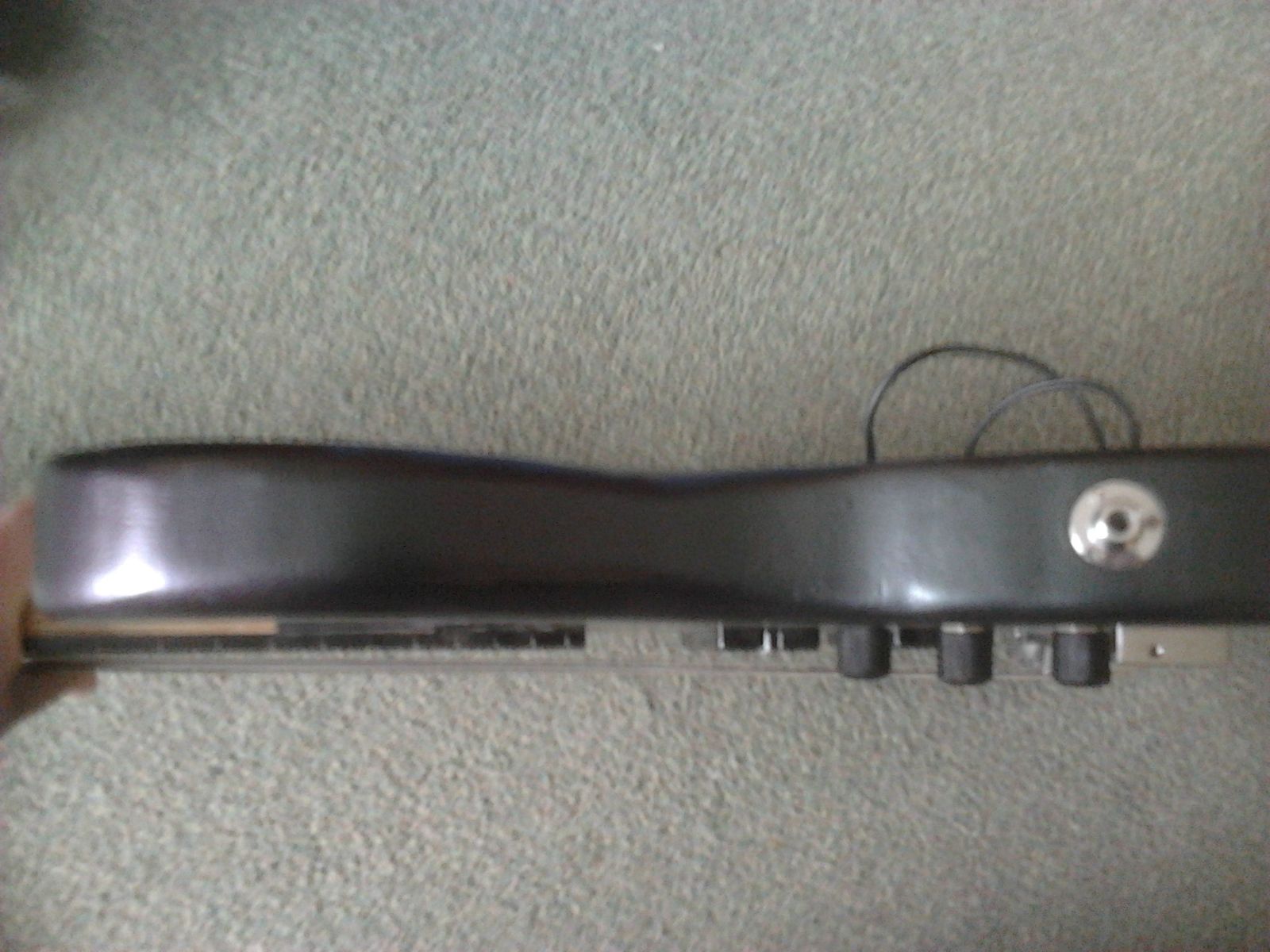
A few years back now i built a 5 string bass with my dad and uncle. We weren't completely sure on the dimensions, we worked to the size of the fret board that was ordered and a bought bass (all be it a 4 string) etc. We drew up some blue prints and constructed it following advice from Make Your Own Electric Guitar by Melvyn Hiscock.
There are a number of things that went wrong in the final piece, the action was terribly high to try and reduce fret buzz. Along with this the strings on the extremities were off the fret board. It was also very thick in most regards.
Non the less it was a great experience and i am looking to make a second bass hopefully more successfully. I was also looking for a bit of help, if there are any glaring errors that have been made don't hesitate to point them out, it will help me out greatly.
The following are the specs that i know about:
35" scale
Wenge body (as a result extremely heavy and we were allergic to the wood)
Ash neck

Cheers
Ben.
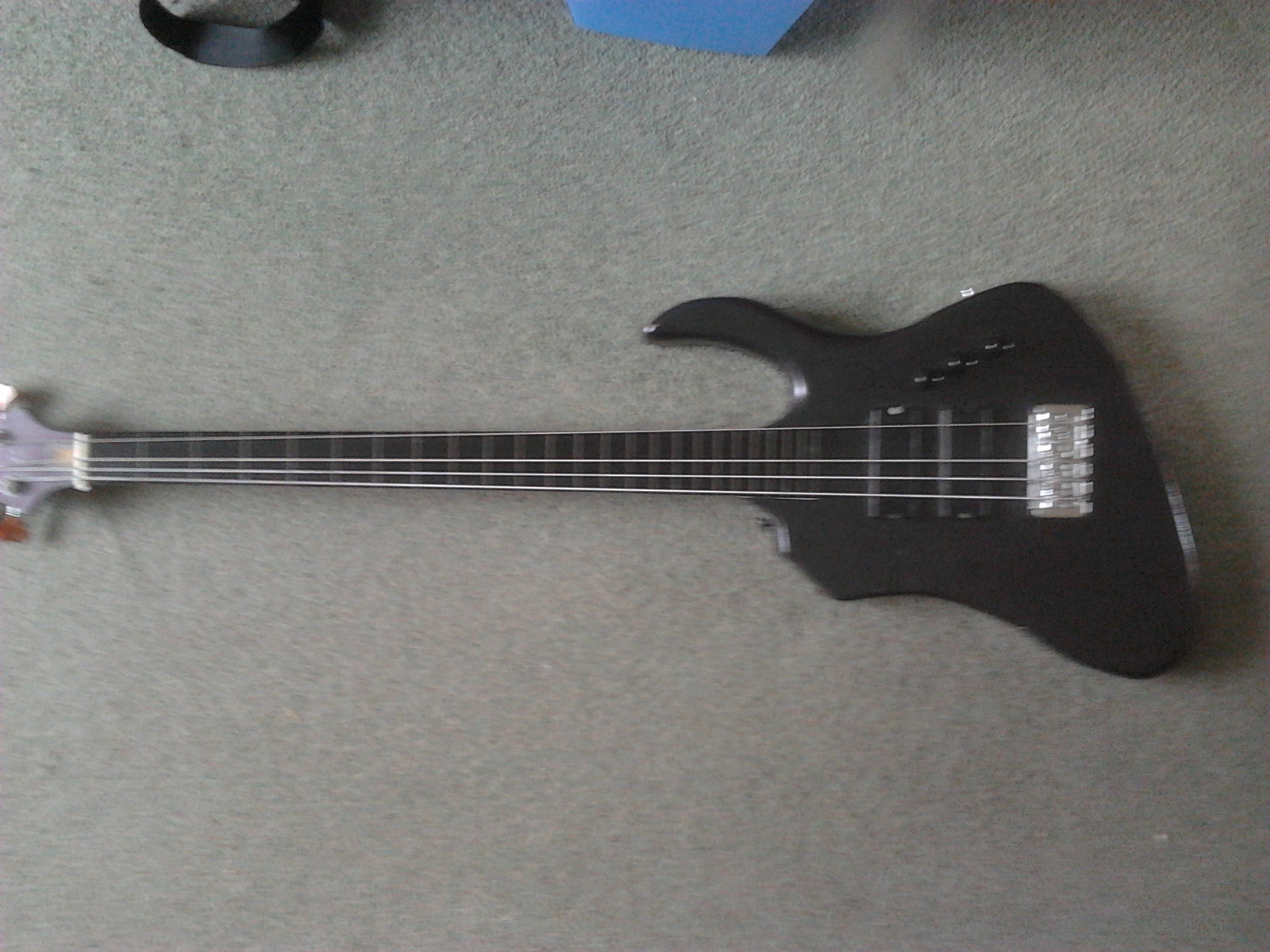
rZ17IX8.jpg

OhHQ83O.jpg

aCVfQjO.jpg

pyy3YTd.jpg

P.s. i can take more photos if required!
 
Well, 5 string basses usually have 5 strings. :smug:


Just kidding. :)

Apart from the things you have pointed out there seems to be something odd with the string spacing at the nut. The bass strings seems to be closer together than the treble strings. They also seem to be off center. Read up on equal spacing vs equal center. I think most basses are set up for equal spacing between strings.

Did you install a truss rod in the neck? You should.

How is the height adjustment for the pickups?


Oh, and did you really make a wenge body that you covered with paint? :hmm:
 
XD strings are of a premium in my house especially on a bass i don't play.
Thanks for the advice about the nut i will have a read into that!
Yeah there is a truss rod in there i recently saw a bass with some carbon rods inside i was considering this for a future build too.
I'm pretty sure it was wenge i could be wrong however, it was a moldy old piece of wood that had been down the side of the house for an age (it didn't have a terribly nice grain), it wasn't really up to much! Apart form this just being around the wood gave me a rash and swollen eyes I just wanted to cover it up as quickly as possible.
Cheers for your comments:)
 
Ben, good first effort however as you have noticed it is not playable, next one you build (you learn from your mistakes) will be better. More important is your enthusiasm to have another go and improve your results.
Questions, you say you bought the fretboard so was the neck built by you or was it a bought one?
The upper horn is gone, without it you will have balance problems and maybe neck dive.
When you do your drawings, base them around the hardware dimensions of your bridge and pickups. The reason your strings go over the edge of the fretboard is the width of your neck is not large enough for the bridge that you have. (you could possibly replace the bridge and nut with a 4 string and your old base might become playable) (inset the bridge to bring action down if you have no other option)Next time center everything on your drawing, then run lines from your bridge to your machine heads, ensure everything is as straight as possible (Strings from nut to machine head), and then work on at least 1/4" either side of your 1st and 5th string. This can be refined to less distance in the finishing but for your first neck taper cut give yourself plenty of room to manouver. If you buy a neck make sure the bridge is compatible with the neck width.

You say the action is very high, because of fret buzz, did you level the fretboard? are the frets level? is there any relief in the neck (truss rod adjustment)? For future builds look at the bridge height adjustment, look at fretboard height and compare it to bridge adjustment height, look at nut height and compare it to the previous two. There are loads of references online as to how this should be set up or in your case designed into the drawings. A headstock angle can help keep the strings in check. I am by no means an expert and for my first bass build I ran into the same issues as you regarding neck width. My advice would be to examine dimensions on another 5 string bass, and write them into a rough drawing, (especially string height and spacing)then ask yourself why those dimensions were used on the manufactured bass, and how closely you may need to replicate those dimensions to get your own design working.
The folks on this site will help you every step of the way so dont be afraid to show drawings and your thoughts and to ask opinion as to whether it will work or not. We have all been there at one time and we have all made mistakes and learnt by them.
 
Thanks very much :) for the comments!
We built the neck from 3 pieces of ash that we glues together. It ended up being rather thick, we bought the fret board with the fret lines already marked and used it for the dimensions of the rest of the neck. I have noticed that the guitar was a bit neck heavy (i never realized that is was so important).
The action was high because when the bridge was raised it reduced the buzz, so we raised it a bit more. I think i will try using the truss rod to reduce the buzz, i think i can afford to play around with it on this one.
Thanks very much for the advice, it's been invaluable i will take it all into account when i get down to designing the new one.
 
I have managed to salvage the neck off of this project! I removed the body and improved the neck shape. I was mainly using this as a practice piece for fretting and inlays, I'm pretty happy with the results I know it's not perfect though. I may build a body for this neck but am not in a rush to do so :)
GlmLtH6.jpg

UOIxHu8.jpg