Hah - I know it's kind of goofy, but it can be an interesting exercise! It can be a forcing function to get you out of the box patterns and begin using more note range on individual strings, and it can sometimes change the way you might approach a line considering that one note can be played in multiple positions on the fretboard depending on the note.
I wrote a post that touches on this for two octave scales on only two strings. I know that for me, personally, big jumps on the fretboard are kind of an issue for me - I just don't do them, and my lines reflect that. But if I were to embrace single string and two-string methodologies, I might be more inclined to play larger intervals (like a seventh, or a tenth) using only one string or just two strings instead of doing it in position, which might open up some possibilities I don't currently have. So yeah, it's definitely a bit out of the box, but it can be useful to look at strings from a permutation standpoint. For me, at least. It's a work in progress.












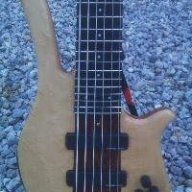
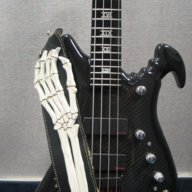





 And if they're as good as their CIC Classic Vibe brethren I've owned, then you have a quality bass there.


