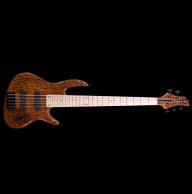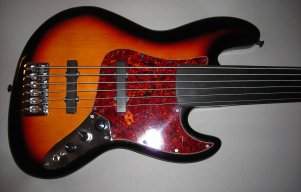
passive series pups are pretty loud usually. Active really depends on the pickup/circuit combo. some are very loud others not so much. MM is paralell active and is much lower than a pbass until you really boost the tones.

TalkBass has been independent since 1998. Add your voice.
Create a free account to reply to discussions, view embedded media, and browse with fewer display ads.
Join free Log in
Want zero display ads or expanded classifieds tools? Compare plans.


As has been said an active bass probably will be less affected by cable length than a passive bass because it probably has a lower output impedance but this will affect tone more than level. Noise pickup is less cut and dried than tone loss due to cable capacitance but an active bass's lower output impedance will generally lower the noise pickup.
Ken


Man this is all great information, thanks to all!
I have learned a very important lesson. Well, a couple actually...
1) do not assume a bass with active electronics will have a greater output than a passive.
2) do not assume a bass with active electronics will have a greater ability to change its tone.
This doesn't really apply to this thread but...
3) do not assume a bass that your friend finds in his shed and gives to you will be a piece of junk you will never use or want but keep around anyway so he doesn't think you appreciate the gesture, will sound better (to me) than a bass you just paid actual money for!!!
I think you guys are making this a bit more complicated than it really is.
Remember, an active bass is just a passive bass with a preamp in it (although there are 'active pickups', but they are just passive pickups with an active circuit in their casing).
Just like any preamp, the output level of an onboard preamp can be set hot or not hot. Many actually have output level controls in the control cavity.
So, while an active on-board circuit has the potential to provide a super hot signal, most don't. The best ones, IMO, are set at unity with the passive bypass sound, so you can switch from one to another without turning any knobs.
The 'active/passive' input labels on some amps is unfortunate, and is a throwback to an earlier day. It makes little sense today. Just think of the active input as one that is padded down a bit for either a particularly hot instrumet (active or otherwise) or a player with extremely aggressive technique who might overdrive the input gain stage with even a moderate output bass. (edit: there are a few amps that have input impedance differences, but that is rare, and makes no difference once the input signal is buffered by an active on-board preamp anyway).


By noise do you mean hiss and hum?
Also how long would the instrument cable have to be to even hear a difference between the long and short one?