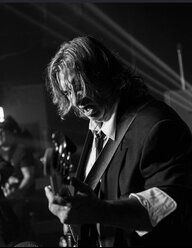
When playing drums, I like the bassist on my left (high hat/snare side). When playing bass, prefer to be on that side, too.
Most drummers tend to have a lot more stuff on the "low" side of their kit: floor tom(s), ride cymbal, crashes, and the unbiquitous gigantic Pageantry of Rock China Cymbal. The air space over the HH is usually clearer, which makes for better verbal or non-verbal communication, plus I can see the drummer's feet.
The idea that the drummer and bass player don't need to be able to easily interact is bunk. If you play the same set with the same musicians every night, maybe you could get away with it. However, I've played plenty of short-term, one night, fill-in, or pickup gigs where I relied on the bassist for change cues or starting tempos.
There may also be other unexpected changes that come up during a gig that must be communicated quickly. For instance, we were playing a very well-known club in Nashville one night, when a storm caused part of the roof to cave in and water started coming through the second floor, down over the lighting trusses, and onto me and my drum kit! No one else on stage saw or heard it. The only person I could get to notice my predicament was our bass player, because we maintained pretty regular eye contact, when he wasn't singing. An extreme example, perhaps, but...
BTW, advice for aspiring drummers: Never trust a guitarist, and especially never trust a non-instrument-playing singer, to give you a tempo!
Most drummers tend to have a lot more stuff on the "low" side of their kit: floor tom(s), ride cymbal, crashes, and the unbiquitous gigantic Pageantry of Rock China Cymbal. The air space over the HH is usually clearer, which makes for better verbal or non-verbal communication, plus I can see the drummer's feet.
The idea that the drummer and bass player don't need to be able to easily interact is bunk. If you play the same set with the same musicians every night, maybe you could get away with it. However, I've played plenty of short-term, one night, fill-in, or pickup gigs where I relied on the bassist for change cues or starting tempos.
There may also be other unexpected changes that come up during a gig that must be communicated quickly. For instance, we were playing a very well-known club in Nashville one night, when a storm caused part of the roof to cave in and water started coming through the second floor, down over the lighting trusses, and onto me and my drum kit! No one else on stage saw or heard it. The only person I could get to notice my predicament was our bass player, because we maintained pretty regular eye contact, when he wasn't singing. An extreme example, perhaps, but...
BTW, advice for aspiring drummers: Never trust a guitarist, and especially never trust a non-instrument-playing singer, to give you a tempo!