

Enjoy the benefits of a premium membership!
Upgrade Account
-
TalkBass has been independent since 1998. Add your voice.
Create a free account to reply to discussions, view embedded media, and browse with fewer display ads.
Join free Log in
Want zero display ads or expanded classifieds tools? Compare plans.
You are using an out of date browser. It may not display this or other websites correctly.
You should upgrade or use an alternative browser.
You should upgrade or use an alternative browser.
Is electric bass a guitar ?
- Thread starter knight of ni
- Start date
-
- Tags
- electric electric bass
More options
Who Replied?
There are 6 string basses. But there are no 4 string guitars.
Ergo, a guitar is a soprano bass.
Discuss.
There are tenor guitars, which are 4 string. I bought an electric bass guitar from a guy with a pretty nice collection of them. I have played guitar for a long time, and I never knew they existed.
The guitar and bass came out of what we now know as Spain. The violin allegedly came out of Italy. Its a pride thing (Ask the lions). One is tuned to the left the other tuned to the right (circles of 4ths and 5ths). Why fret over this subject?
I think the fact that this question was posted in the “Bass Guitar” section of the forums speaks volumes.
Last edited:
i look at the acoustic traditional versions of the instrument, nope,it is its own instrument. a trumpet is not a trombone but they look similar.
Slide trumpet
As a practical matter, I tend to agree that Bob is a better descriptor of the instrument we play 
As an academic debate, I would side with calling it a bass guitar. Its form evolved in the guitar family, adapting functional characteristics from the double bass. The form aspect of an instrument (design and construction), in my view, is what makes it a member of its respective family of instruments.
While the guitar and the bass share form, there are functional differences that often require different technical skills. However, I do not perceive this as sufficient to overcome the form similarity between the two so as to state that the bass is separate from the guitar family.
Perhaps this may be an inadequate analogy, but I think that guitar is to the bass (not the double bass) what the violin is to the cello (violincello). The violin and the cello are classified as viols. However, though the violin and the cello share similar form, they require different technical skills (bowing, plucking, fingerboard technique). Additionally, the violin plays the treble clef, whereas the cello plays the bass clef. But despite their functional differences, their form is essentially the same, hence they are both viols.
This is how I perceive the guitar to bass relationship. The guitar evolved over time, adapting and borrowing from other string instruments (lute family). At some point, it became sufficiently distinct in form to be differentiated as a guitar. The bass follows the guitar form. It requires different technique from the guitar, and is written in a different clef, but the form dictates they are both guitars.
As an academic debate, I would side with calling it a bass guitar. Its form evolved in the guitar family, adapting functional characteristics from the double bass. The form aspect of an instrument (design and construction), in my view, is what makes it a member of its respective family of instruments.
While the guitar and the bass share form, there are functional differences that often require different technical skills. However, I do not perceive this as sufficient to overcome the form similarity between the two so as to state that the bass is separate from the guitar family.
Perhaps this may be an inadequate analogy, but I think that guitar is to the bass (not the double bass) what the violin is to the cello (violincello). The violin and the cello are classified as viols. However, though the violin and the cello share similar form, they require different technical skills (bowing, plucking, fingerboard technique). Additionally, the violin plays the treble clef, whereas the cello plays the bass clef. But despite their functional differences, their form is essentially the same, hence they are both viols.
This is how I perceive the guitar to bass relationship. The guitar evolved over time, adapting and borrowing from other string instruments (lute family). At some point, it became sufficiently distinct in form to be differentiated as a guitar. The bass follows the guitar form. It requires different technique from the guitar, and is written in a different clef, but the form dictates they are both guitars.

It’s an electric bass, not a bass guitar.
is one of those things where if you ever hear me say it seriously, someone please punch me.
is one of those things where if you ever hear me say it seriously, someone please punch me.


I don't think a bass is a guitar. A guitar is a guitar. A bass is a bass. However, I have no problem if someone wants to call a bass a bass guitar.

It's a bass guitar. If you say you play bass ill ask
Bass clarinet?
Bass guitar?
Bass trombone?
Bass drum?
Double bass?
Bass sax?
People growing up around classical music instruments understand this.
Bass clarinet?
Bass guitar?
Bass trombone?
Bass drum?
Double bass?
Bass sax?
People growing up around classical music instruments understand this.

I think the fact that this question was posted in the “Bass Guitar” section of the forums speaks volumes.



Smooth_bass88
vaxx!
- Oct 31, 2006
- 12,122
- 16,796
- Disclosures
- have been on nationally released albums, charting on the Billboard 200
when originally conceived, Leo Fender's invention was intended be a more compact, electric version of the upright bass that you could amplify. It was not designed as a lower-pitched guitar.

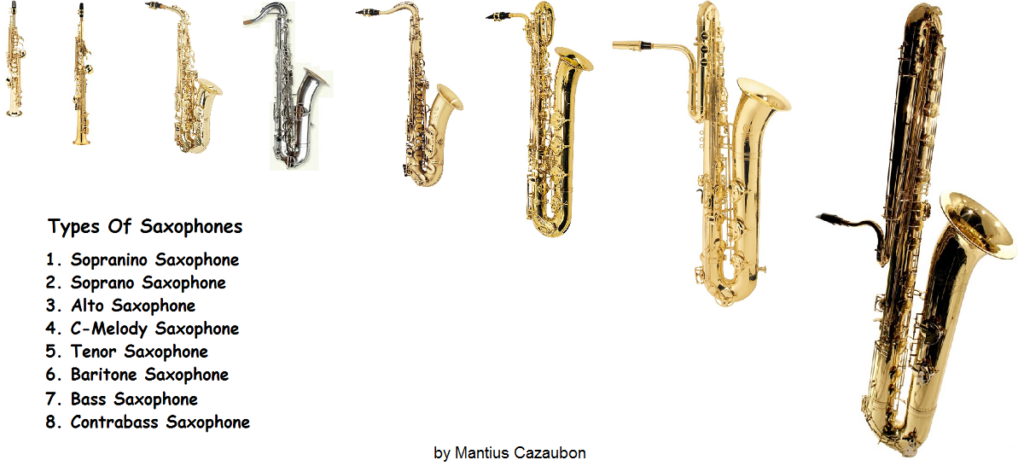
Uh ... are these all saxophones?

Forgive the length of reply and if it comes off as preachy. Since I've been playing well over 30 years I have some fairly well established thoughts on the matter. You seem to make some conjectures that don'
Seem 100% thought through.
"It implies that if you know how to play guitar you somehow know how to play bass. That if you teach guitar you should somehow know how to teach bass".
How is this implied, who implied it or is this pure conjecture on your point?
"I feel this is wrong, I mean the closest instrument I feel bass is related to is double bass not guitar !"
Yeah, double bass has 4 strings generally, but the history of guitar has more and less strings than six, such as the 4 stringed tenor guitar.
Guitars have frets, went solid body for electric (making a sound chamber unnecessary), utilize pickups, effects and are not geared for bowing, even though non-musician stoners always bring up Jimmy Page doing it as a vaudeville type thing.
While Bruce Lee's admonition to a student (in Enter the Dragon) was, "Don't think, feel!" it may not always be best to utilize feelings in rational analysis of something you question.
"If I get a second instrument it will be EUB for sure. I actually created some problems at the (small) music school where I get instruction because I asked the violin teacher (also a bassist) for instruction and not the guitar teacher, who is supposed to be in charge of bass instruction but not himself a bassist... and plays bass like a guitar (you know what I mean)"
As opposed to tuning in 5ths and playing 90%+ of their single note lines with a bow. Violin technique transposed to an electric bass seems like it has less carryover. Why not get instruction from an upright player who can help you conceptualize how to function as a provider of a nice rhythmic bottom end? And if you're looking at an EUB make sure to approach it physically as an upright since there are no frets and it has a radical arch compared to electric bass guitar... So you can bow it. Until you get that EUB be sure to practice slapping your current instrument like an upright bass. What the heck did Larry Graham think he was doing? He didn't use upright technique, so was he wrong or are his accomplishments somehow lessened?
And think about being a tad more diplomatic, bassists shouldn't step on a groove, musically or socially.
"One point maybe in favour of electric bass not really belonging to a guitar family is that it is often played fretless whereas fretless guitars are (very ?) uncommon, in fact the very definition of a guitar states that it is fretted".
As opposed to the fretless guitars Robert Fripp has used since the 80's, or fretless banjos (are they really violins, too?)? The commonality you seem to see isn't as prevalent as you think, from my perspective.
While Leo Fender popularized the electric bass, he built it to step in for the upright but utilized his background in building guitars to really come up with something new. While this is music and we all do what we want since it is art, let your muse run free and approach it as you wish.
In my mind, the versatility and "carryover" from guitar is much closer than upright. Anyhow, if the electric bass was related to the upright there wouldn't be any question about learning to read music as part of a musical education in a systematic way which spans centuries and has nobody griping about it.
Seem 100% thought through.
"It implies that if you know how to play guitar you somehow know how to play bass. That if you teach guitar you should somehow know how to teach bass".
How is this implied, who implied it or is this pure conjecture on your point?
"I feel this is wrong, I mean the closest instrument I feel bass is related to is double bass not guitar !"
Yeah, double bass has 4 strings generally, but the history of guitar has more and less strings than six, such as the 4 stringed tenor guitar.
Guitars have frets, went solid body for electric (making a sound chamber unnecessary), utilize pickups, effects and are not geared for bowing, even though non-musician stoners always bring up Jimmy Page doing it as a vaudeville type thing.
While Bruce Lee's admonition to a student (in Enter the Dragon) was, "Don't think, feel!" it may not always be best to utilize feelings in rational analysis of something you question.
"If I get a second instrument it will be EUB for sure. I actually created some problems at the (small) music school where I get instruction because I asked the violin teacher (also a bassist) for instruction and not the guitar teacher, who is supposed to be in charge of bass instruction but not himself a bassist... and plays bass like a guitar (you know what I mean)"
As opposed to tuning in 5ths and playing 90%+ of their single note lines with a bow. Violin technique transposed to an electric bass seems like it has less carryover. Why not get instruction from an upright player who can help you conceptualize how to function as a provider of a nice rhythmic bottom end? And if you're looking at an EUB make sure to approach it physically as an upright since there are no frets and it has a radical arch compared to electric bass guitar... So you can bow it. Until you get that EUB be sure to practice slapping your current instrument like an upright bass. What the heck did Larry Graham think he was doing? He didn't use upright technique, so was he wrong or are his accomplishments somehow lessened?
And think about being a tad more diplomatic, bassists shouldn't step on a groove, musically or socially.
"One point maybe in favour of electric bass not really belonging to a guitar family is that it is often played fretless whereas fretless guitars are (very ?) uncommon, in fact the very definition of a guitar states that it is fretted".
As opposed to the fretless guitars Robert Fripp has used since the 80's, or fretless banjos (are they really violins, too?)? The commonality you seem to see isn't as prevalent as you think, from my perspective.
While Leo Fender popularized the electric bass, he built it to step in for the upright but utilized his background in building guitars to really come up with something new. While this is music and we all do what we want since it is art, let your muse run free and approach it as you wish.
In my mind, the versatility and "carryover" from guitar is much closer than upright. Anyhow, if the electric bass was related to the upright there wouldn't be any question about learning to read music as part of a musical education in a systematic way which spans centuries and has nobody griping about it.


