• TalkBass has been independent since 1998. Add your voice.
    Create a free account to reply to discussions, view embedded media, and browse with fewer display ads.
    Join freeLog in
    Want zero display ads or expanded classifieds tools? Compare plans.

is it OK to put thread locker on schaller s lock strap lock?

Nah, just use it as designed.
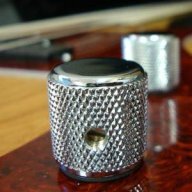
Snug the nut hand tight, then torque it down using the shaft of a small jewelers flat blade screwdriver (roughly 1-1.5mm diameter) inserted into the offset hole drilled through the edge of the knurling on the nut. Once torqued to your satisfaction, turn screwdriver back to it's original intended purpose and tighten the slotted set screw tapped into that same knurled edge of that nut to keep it from spinning back off.
Works like a champ.
 
“Is it OK”?!?!
hell, it’s *mandatory*
A lot of us use Dunlops - those of us that do don't feel the need to ask such questions. I like the flush mount ones - when you' re playing seated (which is the majority of my playing as I practice a lot before every gig), there's nothing on the upper horn or the butt of the instrument to poke you or get torqued loose.
 
  • Like
Reactions: rwkeating
s-locks don't need those: they have a screw to prevent unscrewing. it works

I would place a tiny piece of lead (a cubic millimeter or so, easily cut with a pocket knife from a fishing sinker) in the hole before inserting and tightening the grub screw. That way the threads the screw would otherwise contact directly don't get farked. Plastic works too.
 
Nah, just use it as designed.
Snug the nut hand tight, then torque it down using the shaft of a small jewelers flat blade screwdriver (roughly 1-1.5mm diameter) inserted into the offset hole drilled through the edge of the knurling on the nut. Once torqued to your satisfaction, turn screwdriver back to it's original intended purpose and tighten the slotted set screw tapped into that same knurled edge of that nut to keep it from spinning back off.
Works like a champ.
Not all of these strap locks have the small locking set screw. The ones that just use a flat hex bolt can benefit from a drop of lock-tite. The OP asked if it's okay to do so and it most certainly is.
 
  • Like
Reactions: HalfManHalfBass
Yes.
I certainly do.

For years I was annoyed by that little nut working its way loose time and time again, often at the worst moments, even searching beer soaked stages for a tiny silver ring.

That drop of locktite many years ago changed my life and solved that problem once and for all.

These days my mind is free to focus on more important things, like retraining my procedural memory to do “…the loops part the opposite direction” so I can tie my shoes the proper way. :)
 
Last edited:
I would place a tiny piece of lead (a cubic millimeter or so, easily cut with a pocket knife from a fishing sinker) in the hole before inserting and tightening the grub screw. That way the threads the screw would otherwise contact directly don't get farked. Plastic works too.

I use s-locks since 2019 on multiple instruments and never did this or felt the urge. they just work as intended.
 
Heck, it even has a channel thru the knurled retainer nut which will accept the long-arm of a hex key for added torque. I got mine so tight that the "sandwiched" strap end cupped / distorted.

they actually warn not to overtighten in the official instructions video.

I usually use the same precision screwdriver, I'm using to tighten the counter-screw, it fits the channel. on most straps I need to tighten it a time or two shortly after the initial install, as strap ends usually settle down in a while, if the strap hole isn't precisely cut to specific dimensions, but after that it doesn't need re-tightening for years.
 
A lot of us use Dunlops - those of us that do don't feel the need to ask such questions. I like the flush mount ones - when you' re playing seated (which is the majority of my playing as I practice a lot before every gig), there's nothing on the upper horn or the butt of the instrument to poke you or get torqued loose.
Some of us use rubber washers to permanently attach the strap and never worry about it again.
 
  • Like
Reactions: Ethix4
they actually warn not to overtighten in the official instructions video.

I usually use the same precision screwdriver, I'm using to tighten the counter-screw, it fits the channel. on most straps I need to tighten it a time or two shortly after the initial install, as strap ends usually settle down in a while, if the strap hole isn't precisely cut to specific dimensions, but after that it doesn't need re-tightening for years.

That means I'd have to actually read the instructions instead of flying by dead-reckoning. I won't have any part of THAT!

It's a good product and came stock (3 strap buttons) on a recent purchase.

Riis
 
  • Like
  • Love
Reactions: 202dy and jTrolt

Latest posts