Partly as a tribute to the brilliant, sadly recently deceased, Renaissance bass man, I have been trying, in vain, to truly emulate his sound with my Rick. If you listen carefully with a good pair of headphones to some of his best stuff such as "Day Of The Dreamer" (especially from 03:40), "Song For All Seasons", "Kindness (At The End)" and, of course, the wonderful "Northern Lights", you can hear that the sound is noticeably different from other greats such as Chris Squire or Geddy Lee. Particularly in the lower register, the sound "envelope" is most unusual, starting with a huge resonant percussive pick attack which stands out almost everywhere above the mix, followed by a soft clean sustain which is almost inaudible in places. I fear Jon, God rest his soul, has taken this secret to the grave with him, but I would be eternally grateful if there is someone out there who really knows that sound and how to get it.

Enjoy the benefits of a premium membership!
Upgrade Account
-
TalkBass has been independent since 1998. Add your voice.
Create a free account to reply to discussions, view embedded media, and browse with fewer display ads.
Join free Log in
Want zero display ads or expanded classifieds tools? Compare plans.
You are using an out of date browser. It may not display this or other websites correctly.
You should upgrade or use an alternative browser.
You should upgrade or use an alternative browser.
Jon Camp Rick Sound
- Thread starter Barrytone
- Start date
More options
Who Replied?
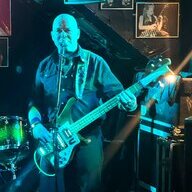
As would I! I shall follow this with great interest. Good luck!I would be eternally grateful if there is someone out there who really knows that sound and how to get it.
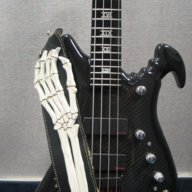
Partly as a tribute to the brilliant, sadly recently deceased, Renaissance bass man, I have been trying, in vain, to truly emulate his sound with my Rick. If you listen carefully with a good pair of headphones to some of his best stuff such as "Day Of The Dreamer" (especially from 03:40), "Song For All Seasons", "Kindness (At The End)" and, of course, the wonderful "Northern Lights", you can hear that the sound is noticeably different from other greats such as Chris Squire or Geddy Lee. Particularly in the lower register, the sound "envelope" is most unusual, starting with a huge resonant percussive pick attack which stands out almost everywhere above the mix, followed by a soft clean sustain which is almost inaudible in places. I fear Jon, God rest his soul, has taken this secret to the grave with him, but I would be eternally grateful if there is someone out there who really knows that sound and how to get it.
RIP Jon

Kinda sounds like you're describing a compressor

I know, and I've tried so many different ones - pedals, multi FX, event the really powerful studio DAW compressors, but so far no luck. The big challenge is how to get such a high level of harmonic "fizz" in the pick attack followed by such a modest clean sustainRIP Jon
Kinda sounds like you're describing a compressor
Since you say 'fizz in the pick attack', I offer this...I know, and I've tried so many different ones - pedals, multi FX, event the really powerful studio DAW compressors, but so far no luck. The big challenge is how to get such a high level of harmonic "fizz" in the pick attack followed by such a modest clean sustain
Picking angle has a lot to do with the note development.
Holding the pick parallel to the string at release will produce a cleaner attack,
whereas holding at a slight angle will produce a split second of scrape (dirt) before the note sounds.
When either of these methods is done with a higher energy, the string will usually "clank" on the closest free fret,
usually the one just above the fretted note, immediately before the note starts to sound.
This contact with that clank fret, causes the string to lose some of the initial energy, and calms it down,
much like an electronic compressor does, only it happens organically.
Maybe experiment with different action set-ups, and/or different picks/picking angle/energies.
A lot of this stuff really does come from our own hands.
AFAIK, Geddy, and CS played pretty hard, and probably Jon too.

Sorry to hear that he passed away. Renaissance was one of my favorite bands, and Jon one of my favorite players.
Although he's a noted RIC player, I'm pretty sure he used a Wal when I saw Renaissance in the mid-eighties.
Although he's a noted RIC player, I'm pretty sure he used a Wal when I saw Renaissance in the mid-eighties.

I think I got kind of close in this recording to one of his sounds (his tone did vary throughout all the Renaissance LPs).
Disregard some of the out-of-tune-ness in the piano and one of the guitars. This is just a rough demo recording that I did while in college in the early '80s.
February '67 4005WB (D'Addario XLs, Herco grey nylon pick) > Furman PQ-3 > TASCAM 3440 with dbx @ 15 IPS.
"Arc-Aid" Copyright © Jeffrey P. Scott 1982 All rights reserved.
Disregard some of the out-of-tune-ness in the piano and one of the guitars.
This is just a rough demo recording that I did while in college in the early '80s.February '67 4005WB (D'Addario XLs, Herco grey nylon pick) > Furman PQ-3 > TASCAM 3440 with dbx @ 15 IPS.
"Arc-Aid" Copyright © Jeffrey P. Scott 1982 All rights reserved.
Attachments
I think I got kind of close in this recording to one of his sounds (his tone did vary throughout all the Renaissance LPs).
Disregard some of the out-of-tune-ness in the piano and one of the guitars.
February '67 4005WB (D'Addario XLs, Herco grey nylon pick) > Furman PQ-3 > TASCAM 3440 with dbx @ 15 IPS.
"Arc-Aid" Copyright © Jeffrey P. Scott 1982 All rights reserved.
Nice job on that Jeff

Was that some of your old Phase 90 in there?
I don't think I used the Phase 90 on that, but definitely on this one. Recorded through my former mid '70s Traynor YSR-1 (with tremolo) into the front-loaded folded horn cabinet (JBL 2225 driver) I built in the scene shop of the theatre department. I mic'd it with a Western Electric 639B that I used to own into the TASCAM.
The 12-string acoustic guitars also went through the MXR.
"Walking Towards Infinity" Copyright © Jeffrey P. Scott 1982 All rights reserved.
The 12-string acoustic guitars also went through the MXR.
"Walking Towards Infinity" Copyright © Jeffrey P. Scott 1982 All rights reserved.
Attachments

AFAIK, Geddy, and CS played pretty hard, and probably Jon too.
Re-watching old Renaissance videos since news of Jon's passing confirmed for me that he did indeed wack the living crap out of the bass.
Some useful tips there I'll give those a run.Since you say 'fizz in the pick attack', I offer this...
Picking angle has a lot to do with the note development.
Holding the pick parallel to the string at release will produce a cleaner attack,
whereas holding at a slight angle will produce a split second of scrape (dirt) before the note sounds.
When either of these methods is done with a higher energy, the string will usually "clank" on the closest free fret,
usually the one just above the fretted note, immediately before the note starts to sound.
This contact with that clank fret, causes the string to lose some of the initial energy, and calms it down,
much like an electronic compressor does, only it happens organically.
Maybe experiment with different action set-ups, and/or different picks/picking angle/energies.
A lot of this stuff really does come from our own hands.
AFAIK, Geddy, and CS played pretty hard, and probably Jon too.
Really nice, and as close as I've heard so far. I suspect the type of amp/cab/settings and how it's recorded also play a significant part. Do you remember exactly how you set the Furman?I don't think I used the Phase 90 on that, but definitely on this one. Recorded through my former mid '70s Traynor YSR-1 (with tremolo) into the front-loaded folded horn cabinet (JBL 2225 driver) I built in the scene shop of the theatre department. I mic'd it with a Western Electric 639B that I used to own into the TASCAM.
The 12-string acoustic guitars also went through the MXR.
"Walking Towards Infinity" Copyright © Jeffrey P. Scott 1982 All rights reserved.
I don't know how to get Jon Camp's sound, but I'm definitely a fan. Good to know there are others who share my sentiments.

He was using a Ric when I saw Renaissance at the Valley Forge Music Fair in December of 1984 for a Toys for Tots Concert.Sorry to hear that he passed away. Renaissance was one of my favorite bands, and Jon one of my favorite players.
Although he's a noted RIC player, I'm pretty sure he used a Wal when I saw Renaissance in the mid-eighties.
Last edited:
Really nice, and as close as I've heard so far. I suspect the type of amp/cab/settings and how it's recorded also play a significant part. Do you remember exactly how you set the Furman?
 NO way, that was so long ago. Plus, I varied the settings depending what I wanted in my head at the time for each song. I got my first PQ-3 in 1978 when they were recently introduced. In the mid '00s I got a newer black-face version that I used for gigging with.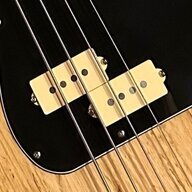
Not that well-versed in his playing but did see them live back in the day, and probably had an album or two (anything prog was on my radar). I always kinda thought his Ric vibe was similar to Mike Rutherford on the early Genesis stuff like the "Selling England..." period- very clean, very precise. As opposed to say Squire who really was pretty raunchy at times (in the best possible way of course!). I'd guess he played with a very clean attack with the pick hitting the strings very flat, up between the pickups, whereas you can tell Squire is getting that "scrape" from the angle of the pick, often played back closer to the bridge.Some useful tips there I'll give those a run.

devnulljp
Supporting Member
I had never heard of them before, but I've always loved Prog.
His sound reminds me of Pete Trewavis of Marillion on the first few albums when he was playing the Rick, who obviously had more of a Mike Ritherford thing going on than Chris Squire.
It's a cool sound
His sound reminds me of Pete Trewavis of Marillion on the first few albums when he was playing the Rick, who obviously had more of a Mike Ritherford thing going on than Chris Squire.
It's a cool sound
Last edited:
very clean, very precise. As opposed to say Squire who really was pretty raunchy at times
It's funny, but back when both bassists & bands were at their peak, I would have sworn that they had the exact same tone...i.e., Chris Squire and Jon Camp both epitomized the iconic Rickenbacker with roundwounds tone that defined British prog rock (as well as the platonic archetype of what teenaged me then thought he wanted from a bass)
But the more I go back and listen to old Yes and Renaissance recordings, the more I realize that Jon Camp kinda did the "Chris Squire thing" better than Chris Squire did! Camp has all the metallic clank and twang but with plenty of full, round low end, whereas I am continually suprised at how much bandpassed distorto-grind is inherent in Squire's sound
...and also at how many classic Squire tracks weren't even a Rickenbacker at all.
Well Squire certainly used more dirt in his tone as a rule (even his "clean tones"). He was a rocker (he was coming from being inspired by John Enwistle). I recall Camp always sounded very "clean". There certainly are CS basses other than the Ric, but that's mostly from "Tales" onward AFAIK (that's where the 70's Jazz starts showing up, not sounding that different from his Ric!). He started transitioning from the clanky Ric thing to that more grindy midrange forward sound around that time. Interestingly, Rutherford starts abandoning the very clean Ric sound for a grindier midrange-y sound around then with "The Lamb....".It's funny, but back when both bassists & bands were at their peak, I would have sworn that they had the exact same tone...i.e., Chris Squire and Jon Camp both epitomized the iconic Rickenbacker with roundwounds tone that defined British prog rock (as well as the platonic archetype of what teenaged me then thought he wanted from a bass)
But the more I go back and listen to old Yes and Renaissance recordings, the more I realize that Jon Camp kinda did the "Chris Squire thing" better than Chris Squire did! Camp has all the metallic clank and twang but with plenty of full, round low end, whereas I am continually suprised at how much bandpassed distorto-grind is inherent in Squire's sound
...and also at how many classic Squire tracks weren't even a Rickenbacker at all.


