I've tried lighter gauge strings, but it just didn't work for me. I need a higher tension feel from my strings for my plucking hand. And honestly, I didn't notice any difference in tone between lighter gauge strings and the gauge that I'm comfortable using.
Granted, the difference in gauge between the strings I prefer and the lighter gauge strings that I tried weren't markedly different.
When I started playing basses with a low B-string I used a .130 gauge, but for the past few years I've been using a .128 gauge. I honestly haven't noticed any difference in feel or in tone.
I even once went down to a .125 B-string when I tried Infeld Superalloys. Overall they had a different tone than I was used to, and it was a really great tone IMO. However they feel too low tension for my needs.
And in regards to hearing more of the note's fundamental, once I switched to GHS PWs I've noticed a lot more fundamental compared to when I used nickel plated roundwounds on the same bass.
Just my two cents.





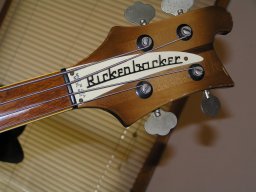
 I still think they're cool. Prefer the original double cut Les Paul Junior style EB that preceded the SG style. Haven't had the chance to play the new version yet. Interested in that one.


