
Communication is also a two way street. Just because I didn't say so didn't mean I wanted it. And as the customer... I'm always right."I didn't want my top cleaned off, I like the look of caked on rosin!"Communicate communicate!


TalkBass has been independent since 1998. Add your voice.
Create a free account to reply to discussions, view embedded media, and browse with fewer display ads.
Join free Log in
Want zero display ads or expanded classifieds tools? Compare plans.
Communication is also a two way street. Just because I didn't say so didn't mean I wanted it. And as the customer... I'm always right."I didn't want my top cleaned off, I like the look of caked on rosin!"
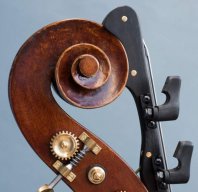
Whats the matter, have a guilty conscience? Gave someones bass back with the strings tuned slightly flat?



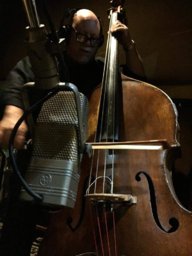
the measure of a competant bassist is having the ability to do one's own luthier work imo.
er ... so how would you approach a bassbar that has become unglued?
Grotesque ignorance.the measure of a competant bassist is having the ability to do one's own luthier work imo. a bass guitar is after all just a plank of wood with strings stretched on it. get good at doin your own dirty work and you can do anything.


the measure of a competant bassist is having the ability to do one's own luthier work imo. a bass guitar is after all just a plank of wood with strings stretched on it. get good at doin your own dirty work and you can do anything.

None of this is as simple as it seams. Even with small repairs sometimes relationships between things change. Instruments are systems and you really can't adjust/glue/fix something one place and expect everything else to stay the same. Wood is not metal or concrete. It moves a lot all the time.
Moreover relationships that transcend these communication difficulties take time to develop. It takes awhile working with someone to understand what they are saying and how that translates into what they want or don't want. Those things often change over time as a player develops, their instrument changes or their tastes change. At best it's a guessing game for a luthier and you don't always guess right.
Another thing is that sometimes players don't know what's possible. Luthiers can gain understanding from one player relationship that might bring a new possibility to another. Sometimes an adjustment that is made with a "try this and see what you think" may take a player out of their comfort zone for a bit but with a little time may give them something more than they might have thought possible. If it works the player gets something they didn't have before, if not often the instrument can go back close to where it was.
This stuff is not black and white and impatience or rigid thinking won't work well when these variables in wood and players are in constant flux.
For best results a little slack is required.
...and yes that doesn't excuse a luthier who is rigid or thinks what they know is best regardless of what the player thinks or wants. Slack is required there too.

None of this is as simple as it seams. Even with small repairs sometimes relationships between things change. Instruments are systems and you really can't adjust/glue/fix something one place and expect everything else to stay the same. Wood is not metal or concrete. It moves a lot all the time.
Moreover relationships that transcend these communication difficulties take time to develop. It takes awhile working with someone to understand what they are saying and how that translates into what they want or don't want. Those things often change over time as a player develops, their instrument changes or their tastes change. At best it's a guessing game for a luthier and you don't always guess right.
Another thing is that sometimes players don't know what's possible. Luthiers can gain understanding from one player relationship that might bring a new possibility to another. Sometimes an adjustment that is made with a "try this and see what you think" may take a player out of their comfort zone for a bit but with a little time may give them something more than they might have thought possible. If it works the player gets something they didn't have before, if not often the instrument can go back close to where it was.
This stuff is not black and white and impatience or rigid thinking won't work well when these variables in wood and players are in constant flux.
For best results a little slack is required.
...and yes that doesn't excuse a luthier who is rigid or thinks what they know is best regardless of what the player thinks or wants. Slack is required there too.
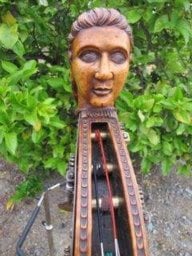

.... I find that players often use terms regarding tone and setup that they don't fully comprehend. I can usually get to the core with careful questioning but it can be time consuming ....
. Being the rookie that I am with two basses that began with less-than-ideal volume, tone, bridges, and playability and having no clue about what a "good" set-up for me even meant, it made my communications with you real-simple and not too time-consuming. . All I had to say was .... Do that voodoo that you do so well and go ahead and dick around with anything and everything to make the basses better and I won't bitch at you later  . I envy other players with good luthiers a few hours away. Mine is a 1600-mile round-trip away
  . .
. .


