Have any of you played the same bass with both a maple or a rosewood fretboard? Is there a distinctive difference? There was a bass I was looking at on Ebay a few days ago, actually it had an ebony fretboard. My instructor said he liked the bass except for the ebony fretboard. He said he preferred maple. I like the looks of the darker wood myself. But sometimes you have to sacrifice looks to get the sound that you want. Just wondering what your experience has been with the different fretboards and which you prefer?

Enjoy the benefits of a premium membership!
Upgrade Account
-
TalkBass has been independent since 1998. Add your voice.
Create a free account to reply to discussions, view embedded media, and browse with fewer display ads.
Join free Log in
Want zero display ads or expanded classifieds tools? Compare plans.
You are using an out of date browser. It may not display this or other websites correctly.
You should upgrade or use an alternative browser.
You should upgrade or use an alternative browser.
Maple vs Rosewood fretboard
- Thread starter sixx788
- Start date
More options
Who Replied?I like rosewood. I think it has some pronounced low-mids which is great for fingerstyle playing and slap too, since I don't really like scooped mids. A maple board somehow boosts 3-4khz and it gives the bass some spark on the highs. I feel that it scoops mids too.



Looks =95-98% of the difference.
Sound difference is probably not going to even be noticeable. The strings you use and their age will effect your tone 100X more than the neck wood on a fretted bass.
As always, this is my opinion after swapping necks and reading threads like this where people did a blind test to see if we could tell the difference.
Sound difference is probably not going to even be noticeable. The strings you use and their age will effect your tone 100X more than the neck wood on a fretted bass.
As always, this is my opinion after swapping necks and reading threads like this where people did a blind test to see if we could tell the difference.

Maple vs Rosewood... very little difference. If you do a search you see scores of threads full of people arguing about it...

Kinda depends on the bass. Certain pickups will color the sound to the point where changing the fingerboard and/or body wood won't make much of a difference. Other pickups are more open and you can hear the difference easier. On my Cirrus basses, I can definitely hear a slight difference between pao fero and ebony.
i played both a lakland 44-02 with maple and rosewood. i didnt hear a difference, it was one of those situations where you trick yourself into thinking it was different but it wasnt. But i must say, the rest of the neck was maple in both cases, so this was probably a big contributing factor.

When they first came out I had two Fender Jazz Bass Plus 5s one maple and one rosewood I played them both every time I played, first two sets rosewood and last two maple.... I didn't notice much, if any difference except that the maple fingerboard "seemed" a bit clearer.... it could have been the strings were just fresher tho.......

I didn't think there was a debate. I've always felt maple was brighter or snappier if you will. I play with a pick 85% of the time so perhaps that makes the difference more pronounced in my case.
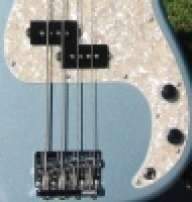
+1, rosewood has a more wood-like sound IMO.I like rosewood. I think it has some pronounced low-mids which is great for fingerstyle playing and slap too, since I don't really like scooped mids. A maple board somehow boosts 3-4khz and it gives the bass some spark on the highs. I feel that it scoops mids too.

I agree with allexcosta here about maple boosting the highs a little but I'm a maple man myself since I like an articulate bass tone. Moreover, I also think that, outside of aesthetics, the bigger difference between maple and rosewood fret boards is also the feel. Maple seems to grab the strings a little more where rosewood seems to be a little slicker IMO. I bend notes a lot and it seems with a rosewood fret board that sometimes I have a hard time controlling the bent note, where as with maple I can control it a little better. To be honest though, I think looks have more to do with it than anything else.

The very fact that the bass had a different neck on it can account for any change in tone no matter what the fingerboard is made of.
In all the instrument building/assembling and switching around of bodies and necks I've done since the early '70s I've found that the tone pretty much goes with the neck.
In all the instrument building/assembling and switching around of bodies and necks I've done since the early '70s I've found that the tone pretty much goes with the neck.

IME you can feel more difference in passive basses. If you test two identical Fender jazzes with the same strings in a shop, you will surely feel the difference in woods (most cases rosewood comes with alder body, and maple comes with ash body, don't forget!). I believe you can hear it as well from outside - in a shop. In a mix of a live gig, well I don't know. But in recordings - at least in my own studio - I have the feeling that I can here the difference (and I always prefer rosewood in the studio). Live - based on the similar theory - maple should sound better in a mix, more articulate and clean somehow. But these are nuances...

The very fact that the bass had a different neck on it can account for any change in tone no matter what the fingerboard is made of.
In all the instrument building/assembling and switching around of bodies and necks I've done since the early '70s I've found that the tone pretty much goes with the neck.
This is consistent with my admittedly limited experience. I have an alder/maple 2003 American Series Jazz I bought new, whose neck developed a twist after a few months. The neck was replaced under warranty, and it was a seemingly identical neck with maple fretboard. But it sounded different, with more resonance and a "woodier" tone I generally associate more with rosewood. Yet it still has the "snap" characterisic of maple.
I agree the sonic differences aren't pronounced, and with the variability of wood and finishing, many samples won't fit the generalities anyway.
Obviously, they differ in appearance. I also notice a difference in feel. On average, maple just feels "livelier" under my fingers, which I prefer.

IME:
Maple = livelier - more "snap"
Rosewood = rounder BUT still has a nice presence
I like & use both. If I had a choice between otherwise identical instruments, I'd probably go with rosewood (unless I needed a more "modern" sound). Might want to oil the Rosewood when you change strings but if you ever spring for a refret, you won't have to deal with refinishing. (IIRC some techs charge extra to refret maple boards.)
Ebony I don't care for. I've had it on a few axes and they all were too "scooped". Sounds great by itself but alas I'm not a solo artist.
Maple = livelier - more "snap"
Rosewood = rounder BUT still has a nice presence
I like & use both. If I had a choice between otherwise identical instruments, I'd probably go with rosewood (unless I needed a more "modern" sound). Might want to oil the Rosewood when you change strings but if you ever spring for a refret, you won't have to deal with refinishing. (IIRC some techs charge extra to refret maple boards.)
Ebony I don't care for. I've had it on a few axes and they all were too "scooped". Sounds great by itself but alas I'm not a solo artist.
In my experience maple has a glossed board and, for me at least, it made it feel much quicker and easier to slide around on.
This is always a factor for me when buying a bass. Always I end up with a rosewood neck by default. Then I ponder for the next few days if I made the right choice to go with rosewood. I've grown accustomed to rosewood and like the playability. To me you can't go wrong with either one.
Apropos of my post above, I've been messing with a couple of my instruments this weekend and I just completed a round of neck swapping between them. In this case both necks are maple with rosewood fingerboards.
It only served to confirm my experience that the tone follows the neck. One bass was considerably darker sounding than the other which was very bright. When the necks were swapped the body now with the dark sounding neck now sounds dark and the other one is now brighter.
I then swapped them back and again the tones followed their respective necks.
This was both acoustically and with the same settings on my amp. However, I could easily make each sound a lot like the other with some eq tweaking at the amp, so it probably all means Bupkis.
One thing is that the maple on one neck is considerably harder than the other...can you guess which one, dark or bright?
It only served to confirm my experience that the tone follows the neck. One bass was considerably darker sounding than the other which was very bright. When the necks were swapped the body now with the dark sounding neck now sounds dark and the other one is now brighter.
I then swapped them back and again the tones followed their respective necks.
This was both acoustically and with the same settings on my amp. However, I could easily make each sound a lot like the other with some eq tweaking at the amp, so it probably all means Bupkis.
One thing is that the maple on one neck is considerably harder than the other...can you guess which one, dark or bright?

Pure personal preference, I prefer the rosewood. It feels, looks, and sounds "right". I have rosewood on my beloved '01 Stingray 5, and a couple other 5's. I had maple on a beautiful US deluxe jazz bass, and sold it. Not sure about the brightness point, apples to apples maple is probably brighter sounding, but I have rosewood on a Godin BG5 that is so bright it's like playing a piano. The maple feels harder and slicker, in some cases almost plastic-y, whereas I find myself preferring softer and neutral. It's a bass, right?
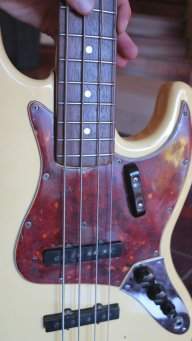
Have any of you played the same bass with both a maple or a rosewood fretboard? Is there a distinctive difference? There was a bass I was looking at on Ebay a few days ago, actually it had an ebony fretboard. My instructor said he liked the bass except for the ebony fretboard. He said he preferred maple. I like the looks of the darker wood myself. But sometimes you have to sacrifice looks to get the sound that you want. Just wondering what your experience has been with the different fretboards and which you prefer?
According to many people on numerous previous threads, there is no difference in sound between fingerboards. Well, I guess just because someone is hard of hearing, partially or fully deaf, doesn't mean they can't still have an opinion right?


