INTERVALS! Love em. Learning them was very very helpful for me but they can get very involved. It is one of those things that you learn one thing and something else immediately branches off of that concept until you are buried.
Essentially, when I look at them, it sorta combined learning scales and chords into one huge lesson.
Start with your basic major pattern (Ionian [3/15])
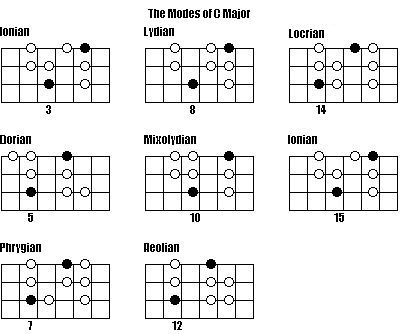
Play around with that patten starting anywhere on the E or A strings.
Then play the Natural Minor Scale (Aeolian [12])
Take note of all the notes that are same within the patterns (1st, 2nd, 4th, 5th, 8th)
That is 5/8 of the Major, Natural/Harmonic Minor scale memorized.
Now look at the notes that are different. The 3rd, 6th, and 7th.
From Major to Natural Minor those notes have lowered one half step.
With that understood I highly recommend Scott Devine lessons. Sign up to his page. Incredible teacher with countless hours of lessons. I practice this all time - it is very rewarding to start playing it pretty fast and accurate (not that speed matters as much as accuracy.)
This is on "intervallic scales" and he gets you playing a scale with an intervallic note in between each scale degree.
So now you have an idea of intervals! (hopefully It can take some practice)
Next thing that I like to do is start on a chord (let's say G minor - I would normally start with major but I have been practicing minor more so I am more comfortable speaking about it without a bass in my hands) and play the notes of G minor up the neck. After a few times of doing this, you will start noticing some reoccurring patterns.
G|----------3-----|---------7---------|------------12---------|-----------
D|--------5---5---|-----5-8---8-------|---------12----12------|-----------
A|------5------5--|---5---------10----|---10-13----------13---|-----------
E|--3-6---------6-|-6--------------10-|-10-----------------13-|-15 (hold)-
Practice these four measures until you figure out a good way of shift your hand positions. Pointer is 1 and pinky is 4.
1st measure I play fingers 1-4-3-3-1-3-2-3 |
2nd measure I play fingers 3-1-1-3-1-2-3-2|
3rd measure I play fingers 2-1-3-1-1-1-2-3|
4th measure I slide to 15 and hold.
*note: The last note of the 3rd measure is a 7th. It is the first and only time it appears in this exercise. I did it on purpose because it adds a sense of dissonance that pushes you to the 1. Once you reach the 15th fret, you could technically repeat the same pattern from the beginning. Practice however you feel comfortable, I just gave an example of what I would (if I recalled correctly) do.
Even further...
With in the First Measure position. Look at the G Minor arppegitation you started with.
Now look at the pattern of the third measure starting on the 10th fret.
If you play the third measure pattern starting on the first position note ( starting on E:3) you are now playing an inverted 4th (with the added 7th - Cm7) If you want to just play the triad, substitute the last note with A:3. That will cause you to land back on the root note (C).
Same idea, if you look at the second measure starting on E:5 you can play the pattern found at the end (last 4 notes) of the second measure and find that you are now playing an inverted 5 chord (D minor). If you start on E:1 you can play the whole 2nd measure pattern and still be playing D minor.
This is a lot of work for one scale but you can apply this pattern starting on any fret of the E string. The same process (different notes) would apply to doing this for Major and harmonic minor scales and other modes. This should keep you in the shed long enough that not only are you learning these cool little patterns and tricks, it is going to be committed into your memory as you keeping building upon one thing after another.
Essentially, when I look at them, it sorta combined learning scales and chords into one huge lesson.
Start with your basic major pattern (Ionian [3/15])
Play around with that patten starting anywhere on the E or A strings.
Then play the Natural Minor Scale (Aeolian [12])
Take note of all the notes that are same within the patterns (1st, 2nd, 4th, 5th, 8th)
That is 5/8 of the Major, Natural/Harmonic Minor scale memorized.
Now look at the notes that are different. The 3rd, 6th, and 7th.
From Major to Natural Minor those notes have lowered one half step.
With that understood I highly recommend Scott Devine lessons. Sign up to his page. Incredible teacher with countless hours of lessons. I practice this all time - it is very rewarding to start playing it pretty fast and accurate (not that speed matters as much as accuracy.)
This is on "intervallic scales" and he gets you playing a scale with an intervallic note in between each scale degree.
So now you have an idea of intervals! (hopefully
It can take some practice)Next thing that I like to do is start on a chord (let's say G minor - I would normally start with major but I have been practicing minor more so I am more comfortable speaking about it without a bass in my hands) and play the notes of G minor up the neck. After a few times of doing this, you will start noticing some reoccurring patterns.
G|----------3-----|---------7---------|------------12---------|-----------
D|--------5---5---|-----5-8---8-------|---------12----12------|-----------
A|------5------5--|---5---------10----|---10-13----------13---|-----------
E|--3-6---------6-|-6--------------10-|-10-----------------13-|-15 (hold)-
Practice these four measures until you figure out a good way of shift your hand positions. Pointer is 1 and pinky is 4.
1st measure I play fingers 1-4-3-3-1-3-2-3 |
2nd measure I play fingers 3-1-1-3-1-2-3-2|
3rd measure I play fingers 2-1-3-1-1-1-2-3|
4th measure I slide to 15 and hold.
*note: The last note of the 3rd measure is a 7th. It is the first and only time it appears in this exercise. I did it on purpose because it adds a sense of dissonance that pushes you to the 1. Once you reach the 15th fret, you could technically repeat the same pattern from the beginning. Practice however you feel comfortable, I just gave an example of what I would (if I recalled correctly) do.
Even further...
With in the First Measure position. Look at the G Minor arppegitation you started with.
Now look at the pattern of the third measure starting on the 10th fret.
If you play the third measure pattern starting on the first position note ( starting on E:3) you are now playing an inverted 4th (with the added 7th - Cm7) If you want to just play the triad, substitute the last note with A:3. That will cause you to land back on the root note (C).
Same idea, if you look at the second measure starting on E:5 you can play the pattern found at the end (last 4 notes) of the second measure and find that you are now playing an inverted 5 chord (D minor). If you start on E:1 you can play the whole 2nd measure pattern and still be playing D minor.
This is a lot of work for one scale but you can apply this pattern starting on any fret of the E string. The same process (different notes) would apply to doing this for Major and harmonic minor scales and other modes. This should keep you in the shed long enough that not only are you learning these cool little patterns and tricks, it is going to be committed into your memory as you keeping building upon one thing after another.