Not sure if I should post this under BG Live Sound but thought I would try over here first.
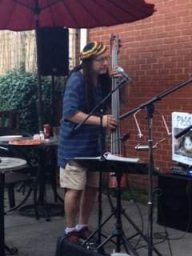
I play in a Bluegrass trio, normal set up is three vocal Mics, acoustic guitar, banjo and fiddle with pickups, my bass w pickup thru pre into amp. Pretty easy set up. If we are at a larger venue I will run my di into foh. Mostly we run PA from stage. We have several set ups but most often we use a Bose L1 system for monitor which runs well with no feedback. We don't play electric guitars and drum loud but we are not a quiet traditional bluegrass band singing around one mic either.
Problem comes when we have other players sit in with us who do not have pickups in their fiddles, mandolins, etc. We use Shure sm 58 for vocals. Have a few odd condescor Mics but when we have tried these for the instruments we run into a lot of feedback. The sm58's work better for the instruments but not great.
I was wondering if using a Shure sm57 or 57a for the instruments would work better. I know mixing vocal Mics tends to cause problems and Any ideas or experience with this? Traditionalists may not approve but it sure is easier to get good sound with everything having pic ups and only using Mics on vocals.
I play in a Bluegrass trio, normal set up is three vocal Mics, acoustic guitar, banjo and fiddle with pickups, my bass w pickup thru pre into amp. Pretty easy set up. If we are at a larger venue I will run my di into foh. Mostly we run PA from stage. We have several set ups but most often we use a Bose L1 system for monitor which runs well with no feedback. We don't play electric guitars and drum loud but we are not a quiet traditional bluegrass band singing around one mic either.
Problem comes when we have other players sit in with us who do not have pickups in their fiddles, mandolins, etc. We use Shure sm 58 for vocals. Have a few odd condescor Mics but when we have tried these for the instruments we run into a lot of feedback. The sm58's work better for the instruments but not great.
I was wondering if using a Shure sm57 or 57a for the instruments would work better. I know mixing vocal Mics tends to cause problems and Any ideas or experience with this? Traditionalists may not approve but it sure is easier to get good sound with everything having pic ups and only using Mics on vocals.