

Enjoy the benefits of a premium membership!
Upgrade Account
-
TalkBass has been independent since 1998. Add your voice.
Create a free account to reply to discussions, view embedded media, and browse with fewer display ads.
Join free Log in
Want zero display ads or expanded classifieds tools? Compare plans.
You are using an out of date browser. It may not display this or other websites correctly.
You should upgrade or use an alternative browser.
You should upgrade or use an alternative browser.
My adventures in gemstone mining...
- Thread starter VS
- Start date
More options
Who Replied?


We only hunt for particular minerals if we know they are there. Otherwise, we keep an eye out for anything, at anytime. Certain areas are more rich in certain minerals and host rocks. One area might contain sedimentary formations and another may be totally different. Each type of host offers different minerals. We are after the mighty Pegmatites! Look up pegmatites and you'll find out that most of the goodies are there!

We only hunt for particular minerals if we know they are there. Otherwise, we keep an eye out for anything, at anytime. Certain areas are more rich in certain minerals and host rocks. One area might contain sedimentary formations and another may be totally different. Each type of host offers different minerals. We are after the mighty Pegmatites! Look up pegmatites and you'll find out that most of the goodies are there!
Yessir, pegmatites host loads of cool minerals. And it's a cool rock to find anyway.
Unfortunately, there's not a whole lot of it in this area.
By the way, is there any market for large hornblende crystals?
Fortunately there is a market for every mineral known to man. Of course rare minerals are highly sought after, as are irregularities in crystal formations, inclusions, colors, etc. A Blue Garnet is very rare and worth a fortune; red, nearly worthless. Odd combinations of different minerals is another highly sought after item. Just as an example: A Quartz crystal will be worth a certain amount depending on formation, quality, etc. If the Quartz crystal has inclusions of Tourmaline or Rutile or Gold; it is usually worth considerably more. Main reason being that you're displaying more than one mineral specimen and showing the growth of the two (or more) together.
Here are a few shots of Calcium Carbonate varieties from my collection. These are display quality specimens.
Aragonite Crystals


Calcite Crystals

See more mineral specimens on my website:
[Invalid or Expired Link Removed]
Aragonite Crystals
Calcite Crystals
See more mineral specimens on my website:
[Invalid or Expired Link Removed]
Last edited:
MJ5150,
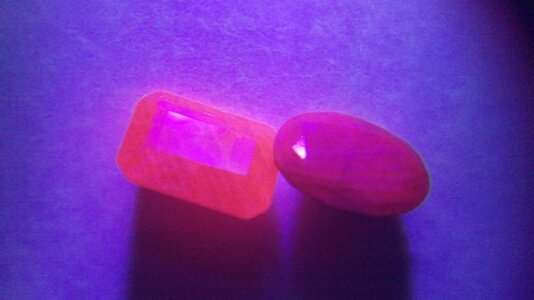
This is the specimen you liked. It was a 33 ct. North Carolina Star Ruby and I had it cut today. It's going into the personal collection, but has more than a $300.00 price tag. I'll have an official appraisal Wednesday. Here are the before and after shots:
Rough: 33 cts.


Cut: 1.25 cts.


This is the specimen you liked. It was a 33 ct. North Carolina Star Ruby and I had it cut today. It's going into the personal collection, but has more than a $300.00 price tag. I'll have an official appraisal Wednesday. Here are the before and after shots:
Rough: 33 cts.
Cut: 1.25 cts.
Last edited:




I really need to get out in the woods or somewhere and see if I can find cool stuff like this. The guys on Gold Rush make gold mining look really easy. Dip a green plastic pan in some water near some good soil, swish it around for a few minutes, you got a $1000 or so of gold. All I need is few ounces and I'll be happy.
-Mike
-Mike
I really need to get out in the woods or somewhere and see if I can find cool stuff like this. The guys on Gold Rush make gold mining look really easy. Dip a green plastic pan in some water near some good soil, swish it around for a few minutes, you got a $1000 or so of gold. All I need is few ounces and I'll be happy.
-Mike
Mike, keep in mind that it's a whole lot easier to get pan of gold in the Klondike versus Washington.
I've found that a lot of the gold areas of this state are already claimed, so it's hard to find a place where you can pan without trespassing.
Getting to know private land owners is a whole lot easier than it might seem. Try asking around. You might be surprised!
Here is a few shots of one of the Rubies. My girlfriend is going to get this one set.
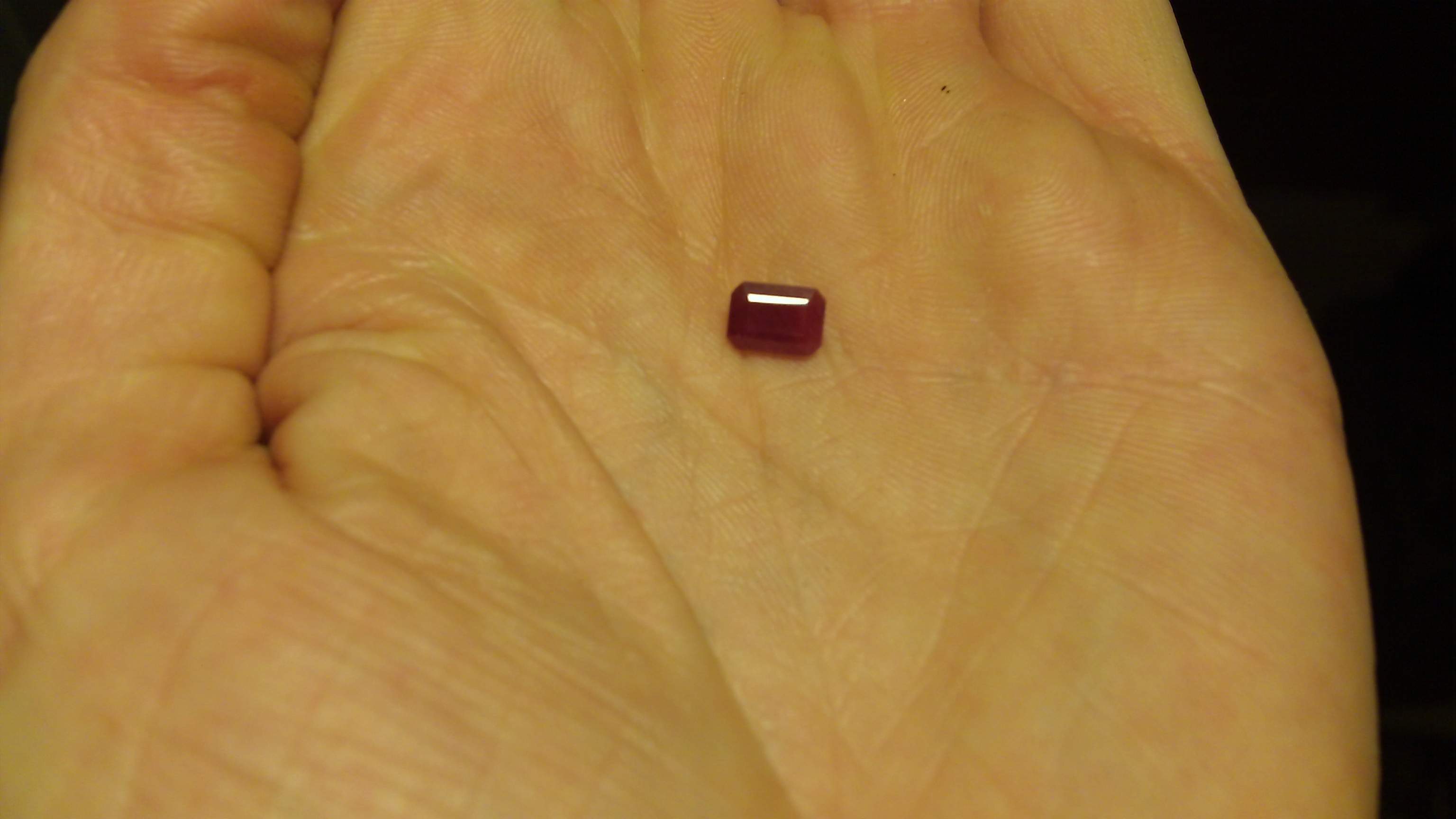
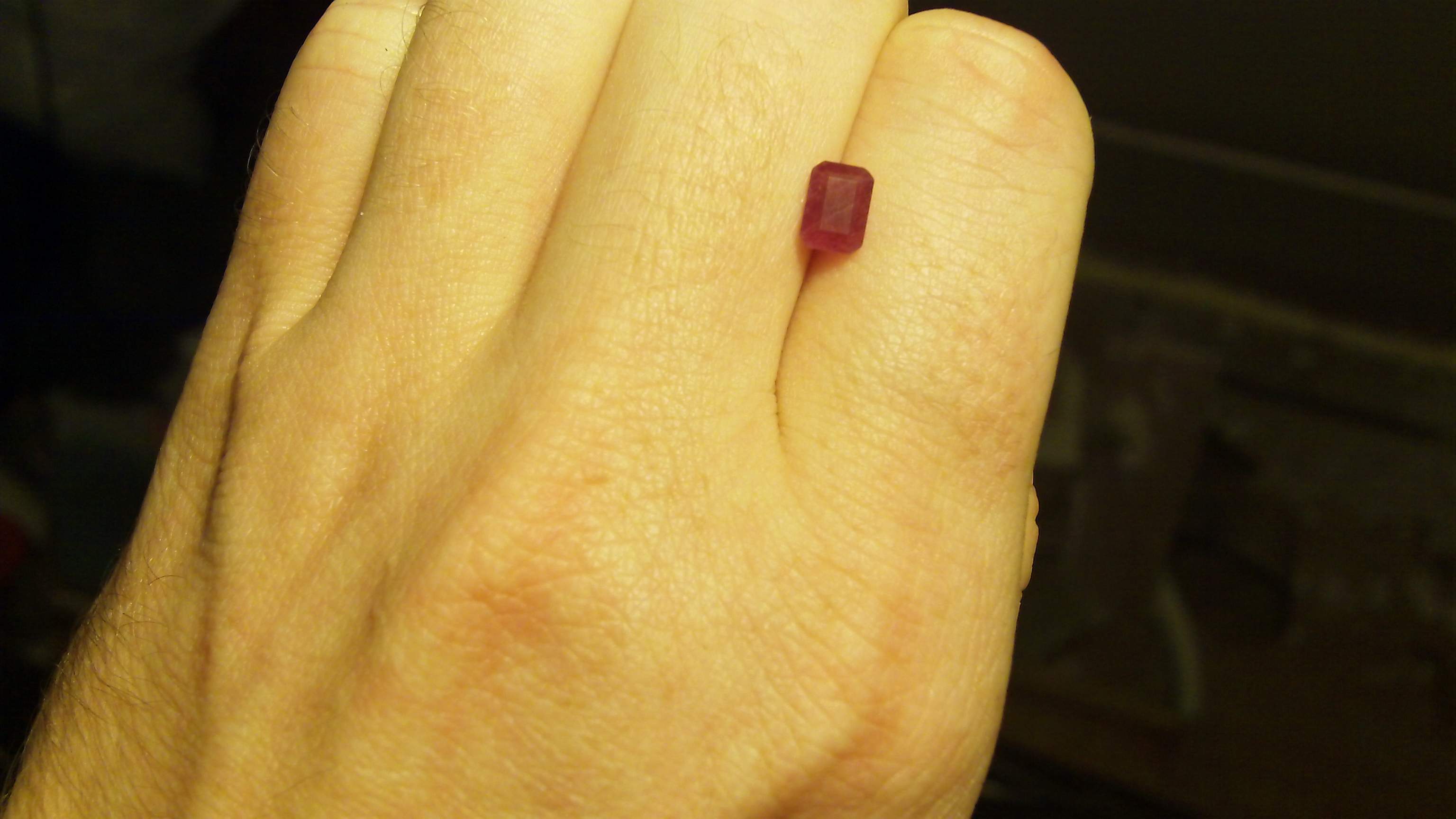
Here is a few shots of one of the Rubies. My girlfriend is going to get this one set.
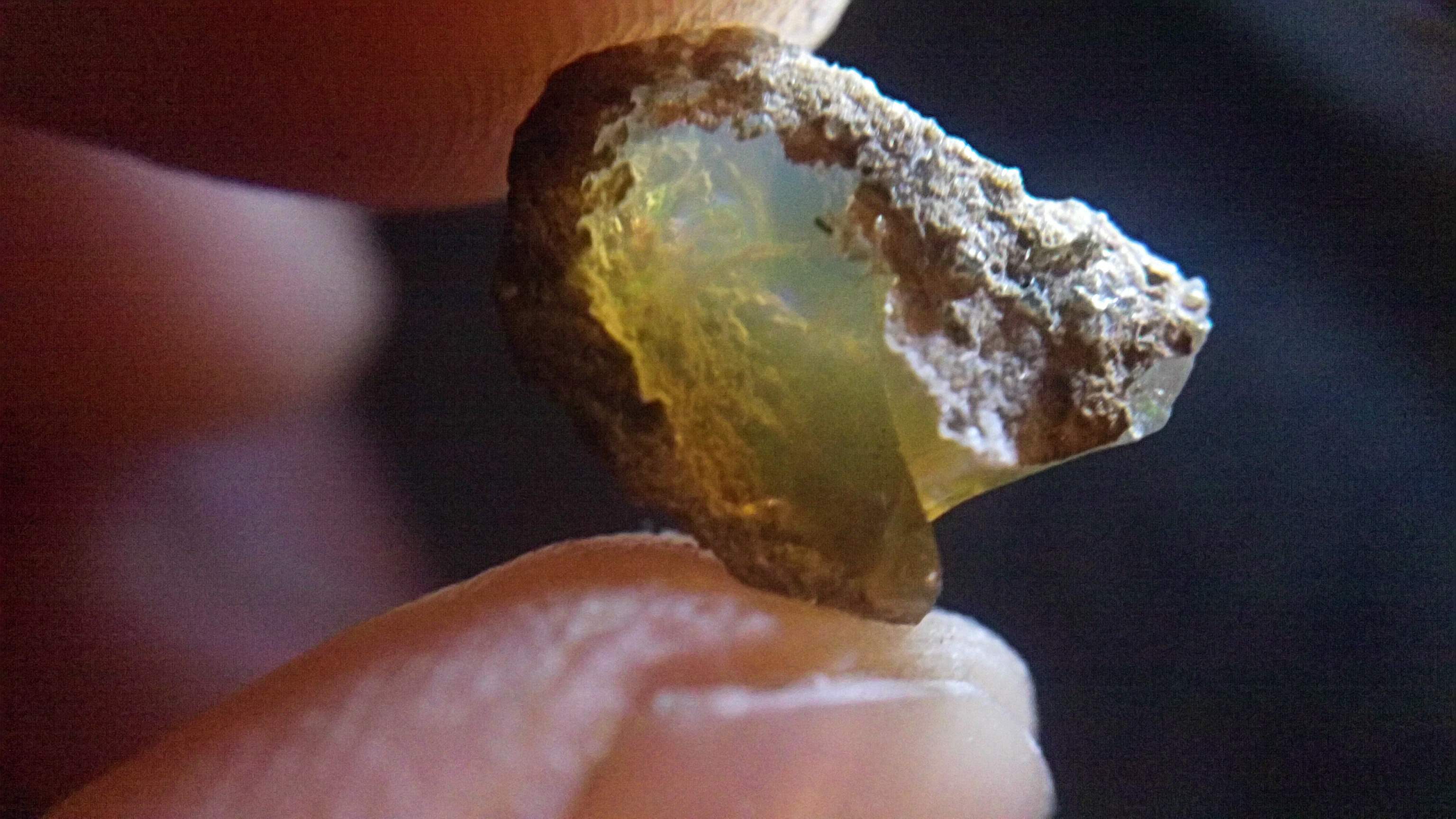
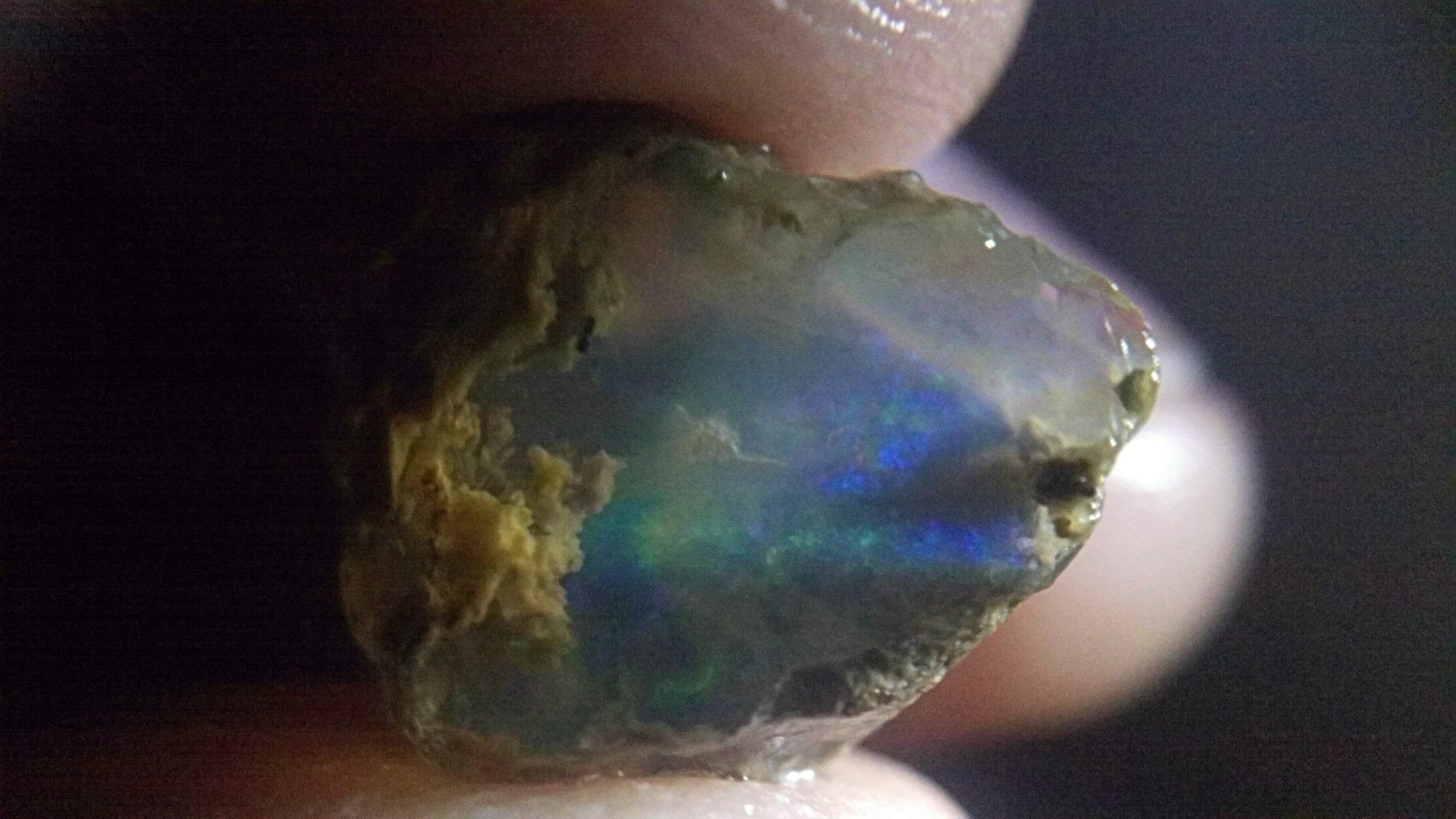
Some Ethiopian "Welo" Opal from the Wollo Province, Ethiopia:
This type of precious opal is a member of the Hydrophane group. It absorbs and releases water quickly and when they are wet they become a visual masterpiece. Opal is a hydrated amorphous silica and is not a mineral or gemstone at all. It is considered a mineraloid. Thanks for looking! -Luke
This type of precious opal is a member of the Hydrophane group. It absorbs and releases water quickly and when they are wet they become a visual masterpiece. Opal is a hydrated amorphous silica and is not a mineral or gemstone at all. It is considered a mineraloid. Thanks for looking! -Luke


