• TalkBass has been independent since 1998. Add your voice.
    Create a free account to reply to discussions, view embedded media, and browse with fewer display ads.
    Join freeLog in
    Want zero display ads or expanded classifieds tools? Compare plans.

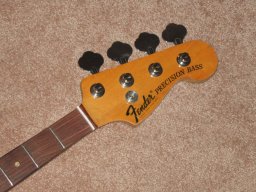
Need help with 1966 P-Bass

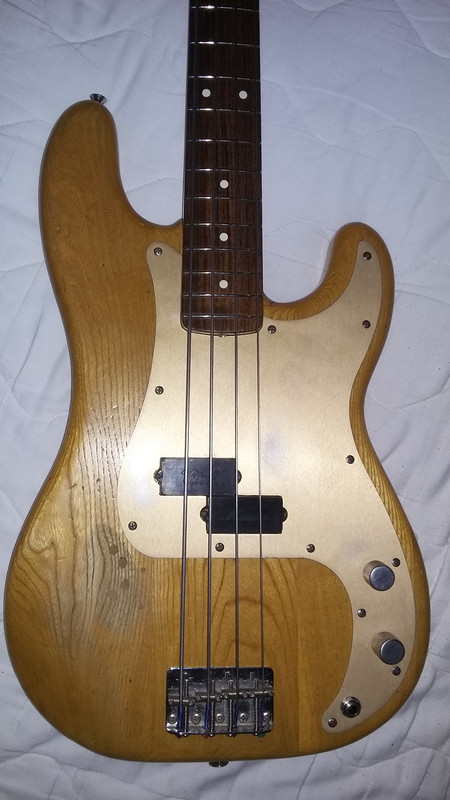
I'm thinking that thick black paint was put on for a better neck fit. Perhaps the neck pocket was sanded during the refinish a bit too much?

If you were using paint to tighten a neck pocket, You would only need it on the sides of the pocket. I doubt that the black paint is there for that reason. It's probably the remainder of the sunburst black that was originally on there - they didn't sand it off, as it would be hidden, and would have taken effort with no benefit.
 
I wonder if the same guy refinished my 1971, which also was black from the factory. Both bodies show scortch marks.

upload_2024-3-2_12-58-36.jpeg


upload_2024-3-2_12-59-35.jpeg


upload_2024-3-2_13-0-25.jpeg
upload_2024-3-2_12-58-36.jpeg upload_2024-3-2_12-59-35.jpeg upload_2024-3-2_13-0-25.jpeg
 
  • Like
Reactions: bobyoung53
Like others have already told you-three color sunburst was the standard color with a tortoise shell guard.
Natural finishes were not offered by Fender until 1972. Custom colors were available in '66, lots of white, candy apple red, lake placid blue, sonic blue, Dakota red. fiesta red as some choices. 3 ply White Pickguards came with custom colors, usually.
Have fun with that bass!
 
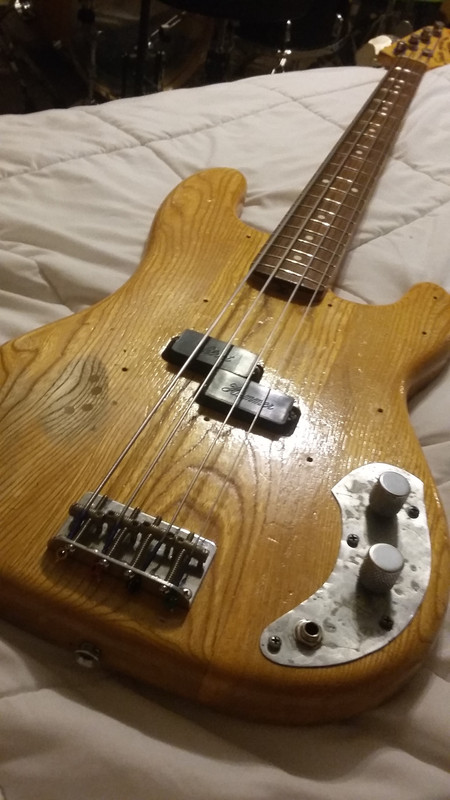
Is the body ash, or pine? I don't think alder would show that much grain.

I believe it's Sen, as the bass is a MIJ Squier from the early 80s, but could be Tamo Ash- I don't believe Squier used Tamo but I'm not positive. Sen is said to look more like ash but sound more like alder, based on what I've read. It's lightweight, also- at least mine is. I have a Sen-bodied Strat-like thing from the late 70s-early 80s too, that has more Sen-like straight grain.