
JeJaWeDa
Pioneer Works Vol. 1 BPA 19
Pioneer Works Vol. 2 BPA-8
Jeb Bishop - trombone, electronics
Jaap Blonk - voice, electronics
Weasel Walter - percussion
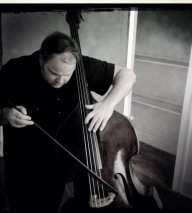
Damon Smith - double bass
Video from a concert in Chicago on the last tour:
This new quartet, JaJeWeDa, debuted in the spring of 2019 with a series of concerts in the Northeast. The band features the great Dutch sound poet and improvisor Jaap Blonk, trombone virtuoso Jeb Bishop, and the versatile and powerful "rhythm section" of Damon Smith and Weasel Walter. Jaap Blonk is unique for his powerful stage presence and playful freedom in improvisation, combined with a keen grasp of structure. The frenetically prolific bandleader/composer/multiinstrumentalist Weasel Walter summons myriad timbres from a (mostly) conventional drum kit, while also bringing a strong performative element to the proceedings. Jeb Bishop is an extraordinary improviser, composer, and simply one of the finest living trombonists, and has been a major voice in improvised music for more than 20 years. Tireless organizer and Balance Point Acoustics label head Damon Smith expands both the sound world of the double bass and the roles it can play in an ensemble.
The sonic result of this alchemical gamble is a wide-open, unruly field of play where anything can and will happen. The New York City session and performance documented on these releases run the gamut from delicate chamber textures to Xenakis-meets-cracked-video-game burbling to all-out electronic meltdowns.
Pioneer works Vol. 1 is a CD with a deluxe ten page booklet of artworks by Jaap, Vol. 2 is a cassette with a cover by Jaap and an unpublished sound poetry score from 2001 and a lime green tape. Both are designed by Alan Anzalone.
Pioneer Works Vol. 1 BPA 19
Pioneer Works Vol. 2 BPA-8
Jeb Bishop - trombone, electronics
Jaap Blonk - voice, electronics
Weasel Walter - percussion
Damon Smith - double bass
Video from a concert in Chicago on the last tour:
This new quartet, JaJeWeDa, debuted in the spring of 2019 with a series of concerts in the Northeast. The band features the great Dutch sound poet and improvisor Jaap Blonk, trombone virtuoso Jeb Bishop, and the versatile and powerful "rhythm section" of Damon Smith and Weasel Walter. Jaap Blonk is unique for his powerful stage presence and playful freedom in improvisation, combined with a keen grasp of structure. The frenetically prolific bandleader/composer/multiinstrumentalist Weasel Walter summons myriad timbres from a (mostly) conventional drum kit, while also bringing a strong performative element to the proceedings. Jeb Bishop is an extraordinary improviser, composer, and simply one of the finest living trombonists, and has been a major voice in improvised music for more than 20 years. Tireless organizer and Balance Point Acoustics label head Damon Smith expands both the sound world of the double bass and the roles it can play in an ensemble.
The sonic result of this alchemical gamble is a wide-open, unruly field of play where anything can and will happen. The New York City session and performance documented on these releases run the gamut from delicate chamber textures to Xenakis-meets-cracked-video-game burbling to all-out electronic meltdowns.
Pioneer works Vol. 1 is a CD with a deluxe ten page booklet of artworks by Jaap, Vol. 2 is a cassette with a cover by Jaap and an unpublished sound poetry score from 2001 and a lime green tape. Both are designed by Alan Anzalone.


