• TalkBass has been independent since 1998. Add your voice.
    Create a free account to reply to discussions, view embedded media, and browse with fewer display ads.
    Join freeLog in
    Want zero display ads or expanded classifieds tools? Compare plans.

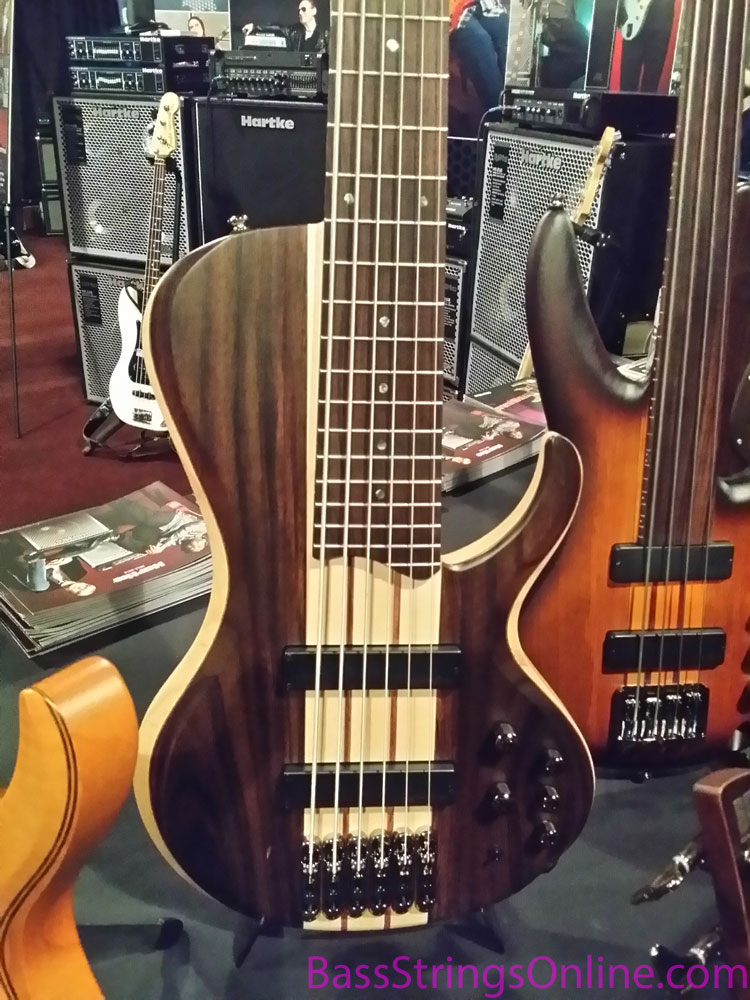
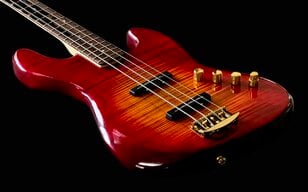
NO WAY! Single cut version of the Ibanez BTB!!

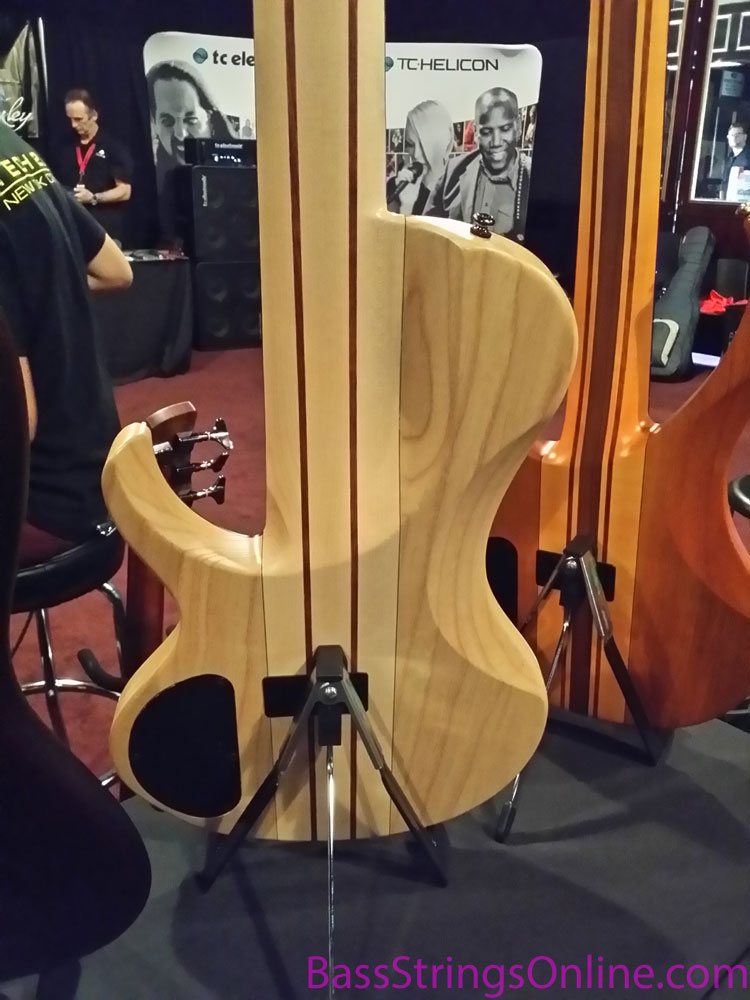
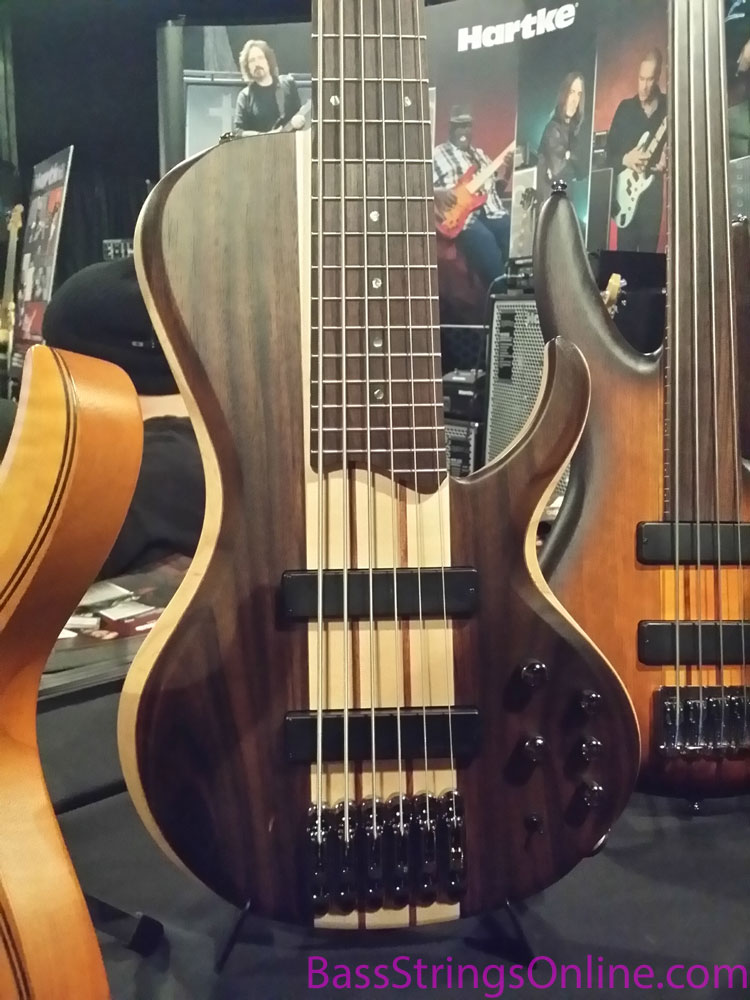
Different angle of the single cut:
bpl2013-05.jpg

Info on this bass:

Rosewood Top
Ash Body
Maple Neck with Bubinga stringers
Rosewood Fingerboard
Rosewood Headstock Cap
 
That's to stay within the BTB concept in general. The 2 horns were made this way for easy neck acces, so they kept it in the design to still keep that unique look were the BTB is known for :)

Very interesting. I'm trying to figure out the logic behind that join of the neck/upper bout woodcarve as it seems like a very strange build approach for a singlecut.

Lonnybass
 
No...take a close look at the neck billet. It looks like they left an extra 1/4 inch on the bass side, then glued the upper body wing to the hangover portion.

The only other thing I can think of is that the body does not taper at all where it is glued up to the neck, and they simply started the neck taper where the fretboard is attached. Some strange geometry going on there!

Lonnybass
 
No...take a close look at the neck billet. It looks like they left an extra 1/4 inch on the bass side, then glued the upper body wing to the hangover portion.

The only other thing I can think of is that the body does not taper at all where it is glued up to the neck, and they simply started the neck taper where the fretboard is attached. Some strange geometry going on there!

Lonnybass

I think it's an optical illusion. If you look closely, you can see that part of the maple that connects to the horn there, is actually making a bit of a vertical "shelf" with the fretboard. So if you sighted the fretboard from the headstock or from the bridge, you'd see a stair step there, like this: _|

I think if you looked at the base directly in front of it, that line between the maple neckthrough and the upper horn,would appear straight.
 
I think it's an optical illusion. If you look closely, you can see that part of the maple that connects to the horn there, is actually making a bit of a vertical "shelf" with the fretboard. So if you sighted the fretboard from the headstock or from the bridge, you'd see a stair step there, like this: _|

I think if you looked at the base directly in front of it, that line between the maple neckthrough and the upper horn,would appear straight.

I still think it looks hokey, as it appears to slim out towards the body as the fingerboard widens. :( Should have butted it RIGHT up against the neck on both sides.


 
I'm curious to see some more shots of this thing to figure out exactly what we're looking at. Because the way this thing is glued up sure appears to be a really weird approach to making a neck-through singlecut!

Lonnybass
 
I think what we're seeing at the upper 'wing' joint may be why it took so long to get a single cut - it's hard to integrate into the design cheaply, or 'cost effectively.'

Part of the designed in BTB aesthetic is a neck laminate that is wider than the fingerboard - you can see this at the neck/body junction of any BTB, where the maple laminates are a bit wider than the end of the fingerboard and run through the length of the body.

This isn't a big deal on the standard version, because any extra neck meat is milled away as part of the neck profiling and horn shaping.

For the single cut, a corresponding removal of material would mean the upper body bought would need to have a corresponding 'jog' to meet the neck, which itself would look weird. Eliminating the jog by thinning the neck laminates to the width of the fingerboard would still require a kink in the body bought at the the neck joint, which is harder and more expensive to do.
 

Latest posts