In the overall tonal spectrum, an electric bass is an electric bass. A P-bass can do what a J-bass can do and vice versa - and this carries over for every electric bass. We think that basses sound so different from one another because we're so used to listening to them and picking apart every element of their sound. To a guitarist or to an average listener, they probably wouldn't be able to tell which you were playing unless they saw it, or had experience with basses. Even bass players often can't tell them apart, as has been demonstrated here on TB with several blind tests including a J vs. P bass in a recording.
Consider it this way: In the world of classical double bass, you soon realize that every bass you pick up has a vastly different character, but to a cello/violin/viola player, they might only notice huge differences (like a 4k instrument vs. a 25k instrument). In addition - despite these apparent vast differences, there is no consistency forced in double bass sections - except perhaps that an instrument be of a certain quality level. There's so much tonal overlap between DBs that the nuances are actually quite small in comparison. Much more has to do with your playing and technique than the instrument itself. The same goes for electric bass.
Really the only reason to own more than one bass is for yourself. It's not as if you picked up a music man and it was all of a sudden incapable of doing pop, or you picked up a P-bass and all of a sudden it refused to be played in a jazz trio. In the objective musical world if you have one nice bass that plays well, is comfortable, and your technique is up to snuff, you'll be able to do everything out there and sound really good.

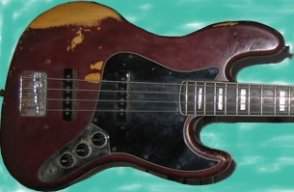





 no seriously though one bass should be enough. Backups sure but how important is it really? I have broken only a few strings in nearly 20 years of playing.
 just lend off the basses that sit around, maybe let a kid play it. his/her joy may be worth it to you