
- Oct 7, 2000
- 18,619
- 38,939
- Disclosures
- Endorsing artist: Musicman basses

TalkBass has been independent since 1998. Add your voice.
Create a free account to reply to discussions, view embedded media, and browse with fewer display ads.
Join free Log in
Want zero display ads or expanded classifieds tools? Compare plans.

Joe, I hestate to point this out, prolly cause I hope you figgered it out already. When you cut you're inches off the ribs and back of the DB, all you're really doing away with is AIR. the sides and back of a bass are relatively thin (cause it's hollow, right?) pieces of wood.
Air just doesn't weigh that much.
All you lose is the weight of the wood removed from the ribs, which the back of my envelop estimates to be on the order of one kilogram or two pounds max.

I believe Kay also made thin bodied basses at one time.

i remember it being called a pancake bass, or something close to that. can anybody enlighten me on these basses, and where i might get one?




Back in school, there was a guy in my section who played on one of the Voight & Geiger basses, and I remember it had a surprisingly big sound. (Although I could never understand why; it doesn't make sense with the reduced air volume of the box. Perhaps the slim depth projects better?)


Serendipitously, I came across this video of Choppy Lambourne a couple of days ago - I don't know if it adds any insight, but evidently you can kind of hear one of these pancake thingies slapping outside on a nice day and recorded on a phone...
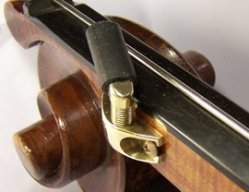
Yes, you don't really save on weight, especially when the top is wider. I heard a story that the original motivation was that it could fit in the overhead rack of mid 20thC passenger trains. Don't know. It is easier to carry, however, the center of gravity being closer to your back, but I think this was a factor in the design.Actually, all you are doing away with in terms of weight is the wood removed from the ribs.