Hi TB,
as most of my bands are on summer vacation right now, it's time for me to re-adjust my practice regimen. Work on stuff I haven't had the chance to get around to while hopping from rehearsal to rehearsal and gig to gig all the time.
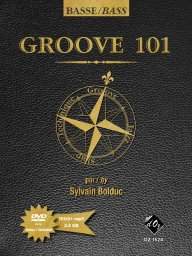
As part of my regimen, I've picked up this book yet again and started playing through it, very slowly, in my "dusty" end of the neck (that is, the lower positions actually... long story, I tend to play six strings like a short scale), to work on fingerings, sound, rhythm, proper muting and so on... and then it hit me that I've underestimated all of the exercises that may seem pedestrian for fretted instruments at first glance. And thus I've challenged myself to get through the whole book.
Invalid Link Removed
"Patterns for Jazz" is a book I've toyed around with for many years now, cherry-picking exercises that I thought might be beneficial. And it's great for that. However, since starting this challenge, I've noticed that the patterns that seem easy at first ("triads in a chromatic progression? Easy-peasy, I'll just play them moving one fret up, done!") can be real finger-busters if played in the lower positions and focusing on the mentioned problem areas.
The book does not offer much in the way of reading as most exercises are heavily abbreviated, but it does offer you the chance to read chord progressions using standard sheet nomenclature. Especially the earlier exercises are not really musical on paper (though your aim should always be to make them sound good), but they're great for dexterity and facility on the instrument. Picking your favorite patterns and using them over standards of your choice (as I used to) is where the real fun is.
Does anyone here work with this book? Have you done the same, or are you cherrypicking like I (and I guess most people picking this up) have done for years?
as most of my bands are on summer vacation right now, it's time for me to re-adjust my practice regimen. Work on stuff I haven't had the chance to get around to while hopping from rehearsal to rehearsal and gig to gig all the time.
As part of my regimen, I've picked up this book yet again and started playing through it, very slowly, in my "dusty" end of the neck (that is, the lower positions actually... long story, I tend to play six strings like a short scale), to work on fingerings, sound, rhythm, proper muting and so on... and then it hit me that I've underestimated all of the exercises that may seem pedestrian for fretted instruments at first glance. And thus I've challenged myself to get through the whole book.
Invalid Link Removed
"Patterns for Jazz" is a book I've toyed around with for many years now, cherry-picking exercises that I thought might be beneficial. And it's great for that. However, since starting this challenge, I've noticed that the patterns that seem easy at first ("triads in a chromatic progression? Easy-peasy, I'll just play them moving one fret up, done!") can be real finger-busters if played in the lower positions and focusing on the mentioned problem areas.
The book does not offer much in the way of reading as most exercises are heavily abbreviated, but it does offer you the chance to read chord progressions using standard sheet nomenclature. Especially the earlier exercises are not really musical on paper (though your aim should always be to make them sound good), but they're great for dexterity and facility on the instrument. Picking your favorite patterns and using them over standards of your choice (as I used to) is where the real fun is.
Does anyone here work with this book? Have you done the same, or are you cherrypicking like I (and I guess most people picking this up) have done for years?
Last edited: