

Enjoy the benefits of a premium membership!
Upgrade Account
-
TalkBass has been independent since 1998. Add your voice.
Create a free account to reply to discussions, view embedded media, and browse with fewer display ads.
Join free Log in
Want zero display ads or expanded classifieds tools? Compare plans.
You are using an out of date browser. It may not display this or other websites correctly.
You should upgrade or use an alternative browser.
You should upgrade or use an alternative browser.
More options
Who Replied?

If you don't know by this time in your life, I'm not going to be the one to tell you.

DiabolusInMusic
Functionless Art is Merely Tolerated Vandalism
This. I once played a Flying V guitar. Seated, I couldn't play it because it would slide off my leg. Never played one again.
As shown above, the solution is to play in classical position.
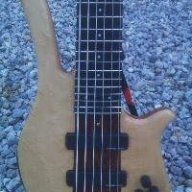

Think of them not as horns, but cutaways from the basic shape of an acoustic guitar. You don't really need the cutaway that makes the upper horn (think of a Les Paul, say), but the lower one gives access to the upper frets, and on a bass, you can lengthen the upper horn to improve balance.


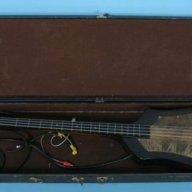
Is that an Ampeg? I want one. It's so cool looking that I wouldn't even care how it played or sounded.
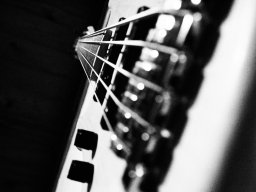
As any tuba or baritone player will tell you, the purpose of the lower horns is to make the brass section sound fuller.
There is a school of thought that says your strap should be set so that the bass is at the same height (position) whether you are standing or sitting. If you buy into that, then a bass without a lower horn would function just as well as one with a lower horn whether sitting or standing.
It's the Nerdy Jazz Academy School if I'm not mistaken.There is a school of thought that says your strap should be set so that the bass is at the same height (position) whether you are standing or sitting.
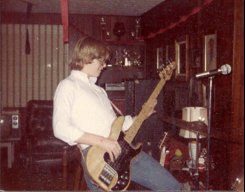
I believe the lower horn is the worst design feature part on any bass guitar, it always seems to get in the way when playing toward the high end of the finger board.
I cut part of it off on an ol pre-CBS p bass and was never happier,
Later when I had a custom bass built, I insisted on "no" lower horn, and played that bass for 40 years.
Never had a problem playing it seated or standing.
I cut part of it off on an ol pre-CBS p bass and was never happier,
Later when I had a custom bass built, I insisted on "no" lower horn, and played that bass for 40 years.
Never had a problem playing it seated or standing.

If the lower horn has enough hook to it, you can hang the bras and panties thrown onstage from your adoring fans on it instead of your mic stand...

If you are thinking of pure function, look at the notches that are removed. There's the knee notch, which is the arc-shaped notch on the bottom edge which rests on your knee when sitting. It keeps the bass from sliding around on your knee, and is far enough down from the strings that you can play without hunching over. Ideally, it's positioned lengthwise so that the bass balances on the knee. Not neck heavy or neck light. That usually puts it about centered on the heel of the neck.
Then there's the lower cutaway, which is a notch out of the body right next to the neck, to allow good hand access to the fingerboard all the way to the heel. That notch has to be big enough that you don't hit the back of your knuckles against the body when reaching for the last fret on the lowest string.
The lower horn is what's left over once you've cut the knee notch and the cutaway. You need it if you want to have a comfortable knee notch and cutaway clearance.
Sure, you can leave it off and declare that your bass is only made to be played standing up. But if you are trying to sell it to customers, the majority of them will not buy a bass that isn't reasonably comfortable to play sitting down.
Perfect explanation.
I love functional, elegant and simple designs. The double cutaway offset body is all of those.

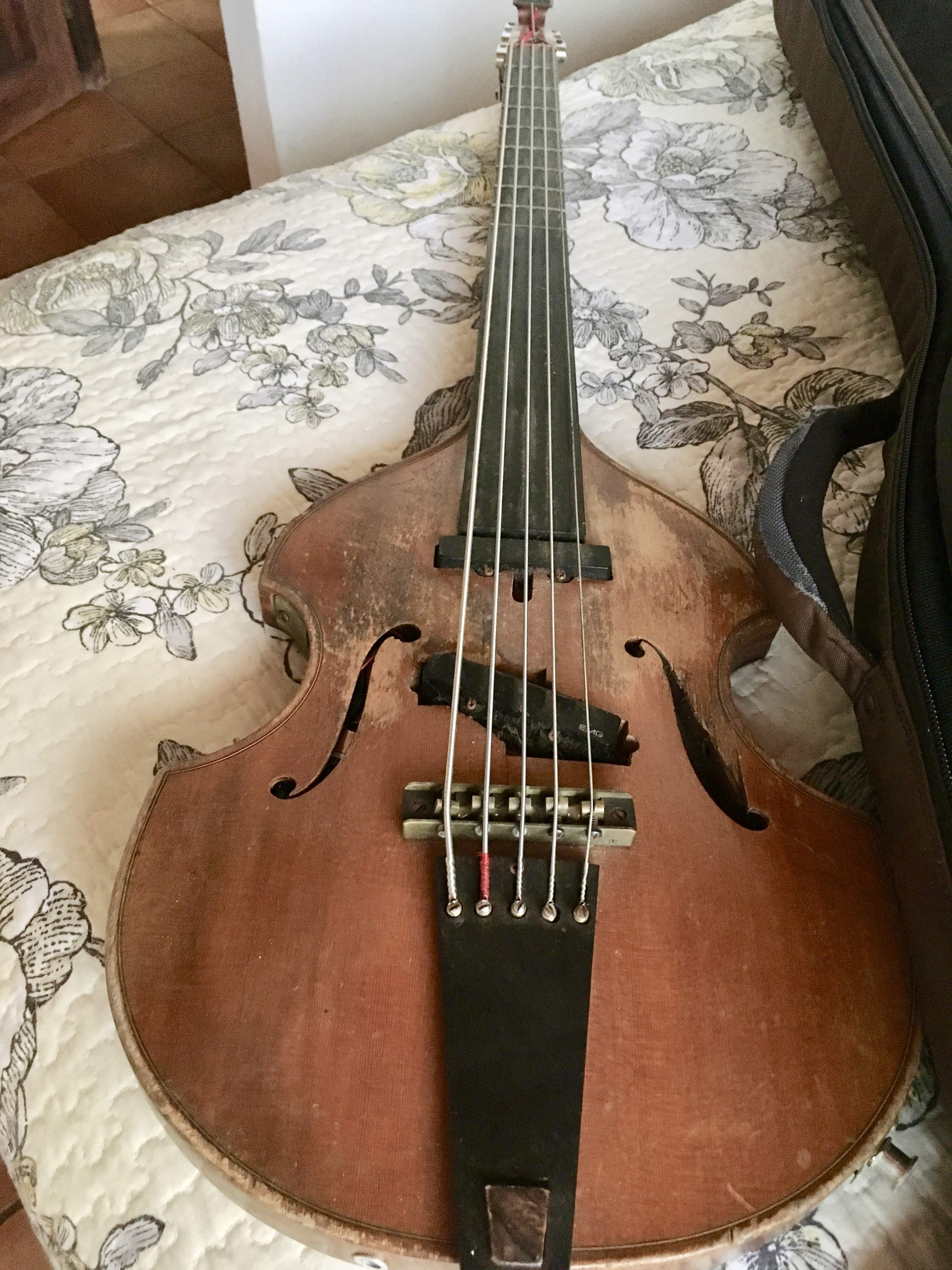
In the 1970s, I procured some raw MM components - neck and body. I decided to make a design statement by removing the lower body horn. Big mistake.

Great googly moogly! That is a remarkable instrument you have there. Is there a thread about it somewhere? Who made it? Hurry, before i have an aneurism!
I believe the lower horn is the worst design feature part on any bass guitar, it always seems to get in the way when playing toward the high end of the finger board.
I cut part of it off on an ol pre-CBS p bass and was never happier,
Later when I had a custom bass built, I insisted on "no" lower horn, and played that bass for 40 years.
Never had a problem playing it seated or standing.
View attachment 2958197
Awesome!..Paul McCartney on steroids...!I believe the lower horn is the worst design feature part on any bass guitar, it always seems to get in the way when playing toward the high end of the finger board.
I cut part of it off on an ol pre-CBS p bass and was never happier,
Later when I had a custom bass built, I insisted on "no" lower horn, and played that bass for 40 years.
Never had a problem playing it seated or standing.
View attachment 2958197


