• TalkBass has been independent since 1998. Add your voice.
    Create a free account to reply to discussions, view embedded media, and browse with fewer display ads.
    Join freeLog in
    Want zero display ads or expanded classifieds tools? Compare plans.

Please help me before I make it worse

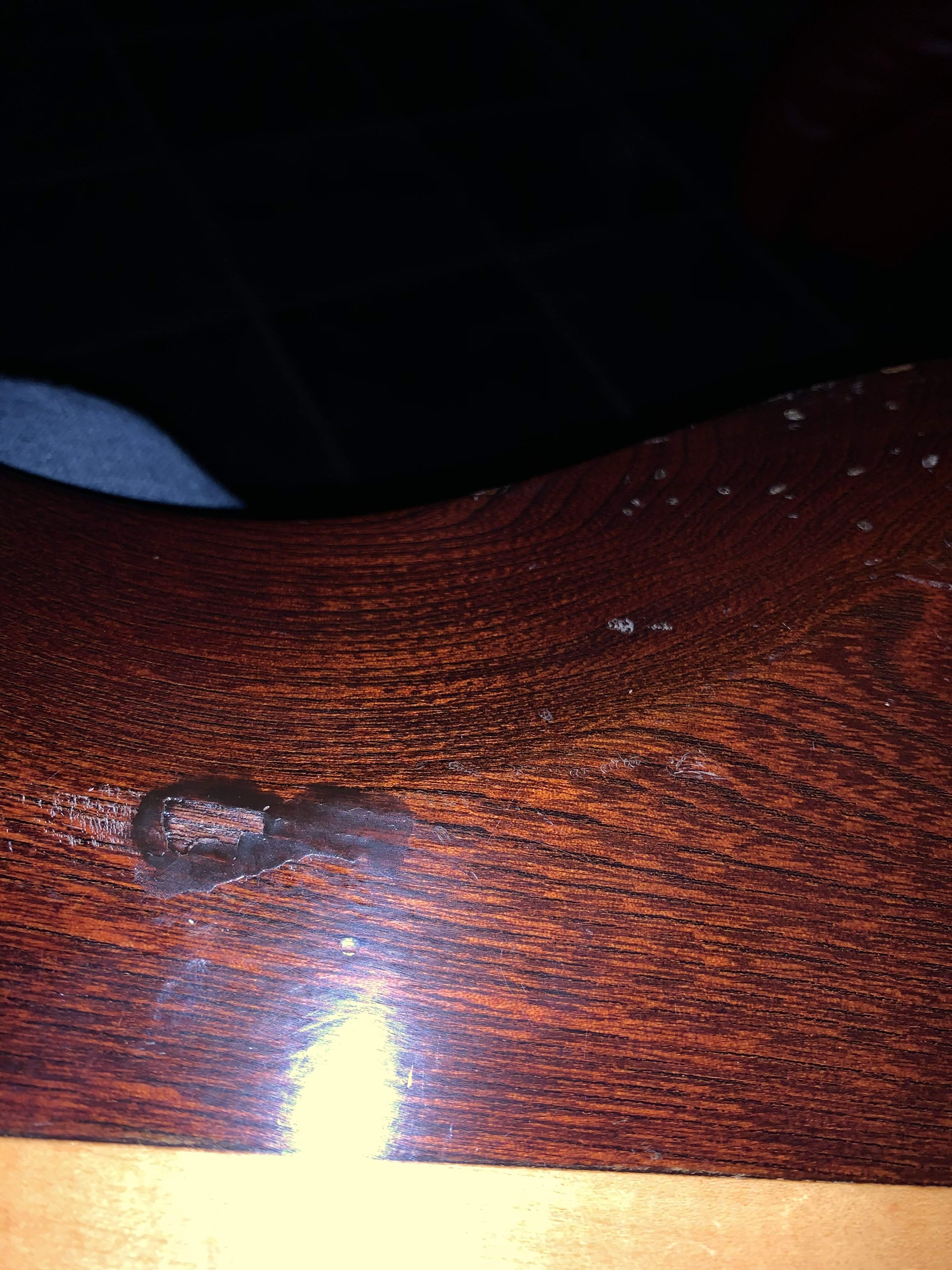
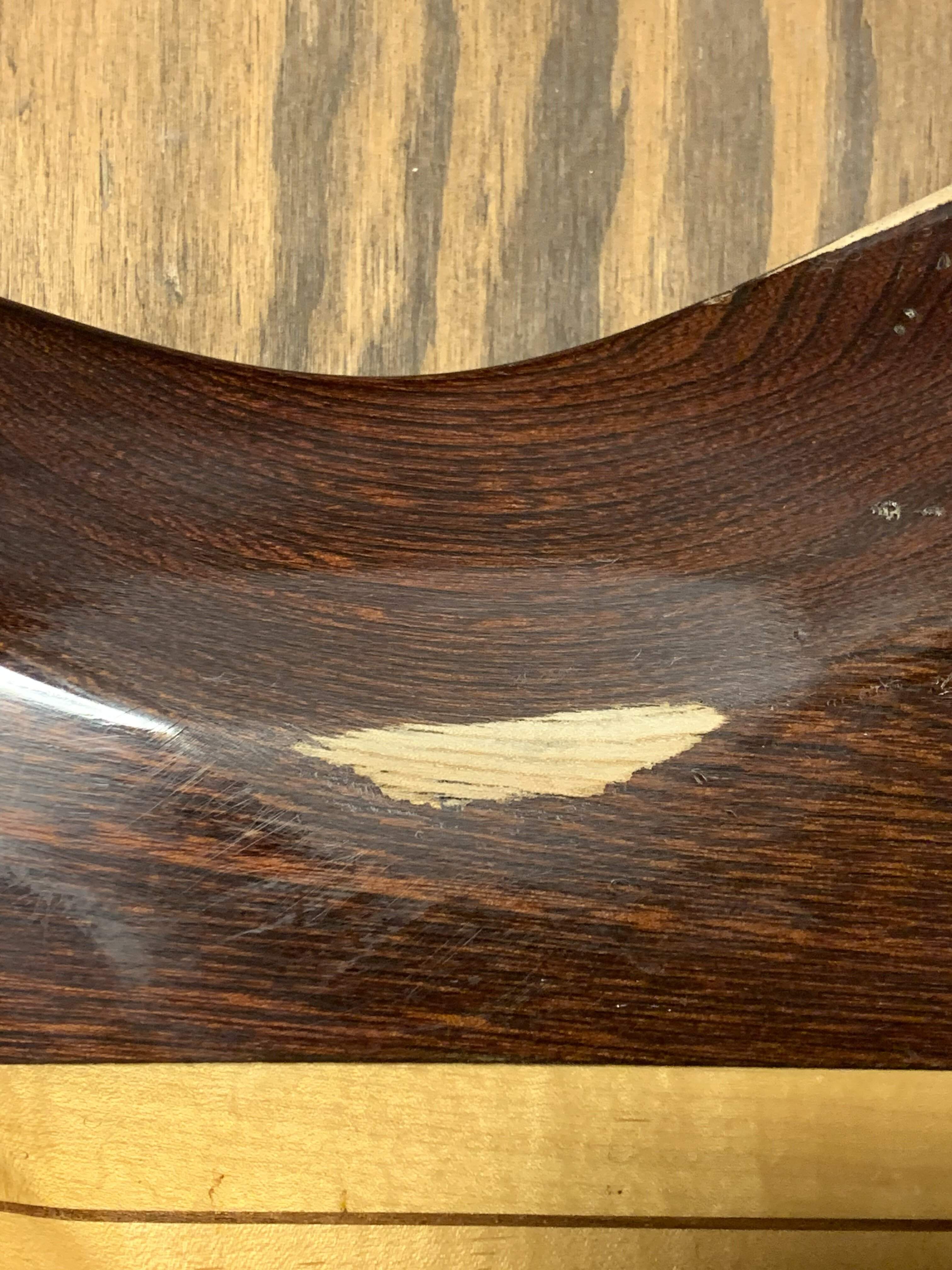
Long story short ~ I’m trying to fix a previous owners patch job and I’m making it worse. They added brown paint to a stained body and I sanded the paint off. Scratched up the surrounding area. What should I do next? Take it to a professional or keep at it myself?
74BD6EE8-1D9C-40CB-B5C3-9676E5E51375.jpeg


C511A82B-FF55-42B3-8547-9AC5DC8A0B2D.jpeg


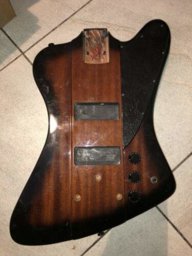
I found a used 1982 Ibanez Musician last year and play it for most gigs now. I always loved the tone but I was never happy with the look of a previous owners attempt to fix the wear spots in the dark stain by using some kind of brown paint.

Last week I had some time and tried to take off the touch up paint. I thought I could sand off to the wood and be happy with a worn look. The problem I have now is that I scratched up the stain around the sanded section.

I tried buffing but that didn’t help. Any suggestions???

DB832241-7A0C-40AC-B6CC-3701C126AD1B.jpeg 8DF5F799-124A-4663-A168-E982466B232A.jpeg 6D5E0D4E-46C6-45C6-8AEF-03CEE1304999.jpeg 26B45EE4-0372-44BF-BE4E-2336285A365B.jpeg 5C8E48C8-66AE-4ECB-A20B-80D4B6D83C92.jpeg
 
Last edited:
  • Like
Reactions: Bass4Brkfast
The buffing it's just for finish touch, it will not take those scratches off.

What sandpaper grit you used? for taking those scratches you need to go until the 2000 grit, and then you do the buffing.


I took off the brown paint with 120 grit and then tried to smooth it out with a finished kit that I think went from 800 up to 2000 at least.

I may not have done the correct buffing, no prior experience. I used Meguiars Scratch X from auto zone. Applied a small amount on a buffing pad and worked it into scratches by hand. No effect really.
 
I took off the brown paint with 120 grit and then tried to smooth it out with a finished kit that I think went from 800 up to 2000 at least.

I may not have done the correct buffing, no prior experience. I used Meguiars Scratch X from auto zone. Applied a small amount on a buffing pad and worked it into scratches by hand. No effect really.

For what i can see from the picture, looks like that those scratches that you still where made by the 120 grit. Try to apply a bit more of the 2000 where you still the scratches and then the buffing again.

you need lots of patience on this one :P
 
  • Like
Reactions: MattZilla
The remaining big scratches are from lower-grit sandpaper. When you work up through the sandpaper, you need to work each grit until the prior grit's scratches are removed. That way, at the very end, the only scratches left are from the very fine grit you use last, and they're easy to buff out with buffing compound.

It sounds like a lot of work, but it really isn't - take your time, go slowly, don't try to force the work - pushing really hard will make the scratches worse as you go, not better. And use something hard but flexible as a backer for the sandpaper - not your fingers. An old rubber eraser is perfect - the little pink rectangular ones you probably used in grade school. If you have 800 through 2000 grit sandpaper, you are well situated to remove those scratches.

And if you're really concerned about getting this perfect, it might make sense to back up a bit, put the bass down, and practice. If you have any old piece of finished wood - junk furniture, anything - you can scratch it up really well and then practice with the different grits of sandpaper to get a feel for how the process goes. You could even go to the thrift store and buy some old piece of junk for a few dollars to practice on.

Finish work is not hard, but it takes knowledge. Get that knowledge! Asking here is a good start. You might also want to check out youtube. Stewmac has a ton of excellent repair videos, including many on finish repair. Even if they aren't after the same goal as you (keeping the worn look), watching a master craftsman do something correctly will show you what you need to know.
 
For what i can see from the picture, looks like that those scratches that you still where made by the 120 grit. Try to apply a bit more of the 2000 where you still the scratches and then the buffing again.

you need lots of patience on this one :p

Thankyou for the help. You are correct, the surrounding area that is cloudy is from 120. I wasn’t sure if I should keep sanding there to help.

I’ll try sanding that area up to 2000 then buffing.

I also had an idea of applying some stain on to the bare wood and maybe that will help fill in the surrounding scratches?
 
  • Like
Reactions: Koog and dasherf17
Stain won't fill in scratches, it'll just add color. It's generally pretty hard to actually fill a scratch - you can fill bigger imperfections (small gouges or chips) with drops of finish or drops of CA, but scratches like that are hard to "fill." Generally the approach would be to sand the scratches out, and then apply new finish over the whole area until it's built up enough to blend in to the surrounding finish. Scratches that big will show through new finish if you don't remove them first.
 
Thankyou for the help. You are correct, the surrounding area that is cloudy is from 120. I wasn’t sure if I should keep sanding there to help.

I’ll try sanding that area up to 2000 then buffing.

I also had an idea of applying some stain on to the bare wood and maybe that will help fill in the surrounding scratches?

Sorry the stain will not fill the scratches, but you definitely should apply the stain as a protection for the wood.

you're welcome :thumbsup: sand it until it's the way you want apply the stain and then do the buffing (if you need).

Someone with more experience should say something about this, im just a curious guy that what i have learned was from asking and watching youtube videos :P
 
Stain is pretty much just color - it won't protect the wood at all. If you want to hide the spot, put stain on. If you want protection, you need an actual finish, regardless of stain or not - nitro, poly, oil, whatever. Ideally, the same materials as the finish already on the bass. I don't know what they used but you may be able to find out.
 
As a note, the brown finish probably isn’t stain or dye on the wood. It’s most likely a tinted clear, what in the auto finishing world would be called a candy, that was sprayed on the body and either buffed as was or more clear, clear sprayed on it then buffed. A stain or dye on the wood may make the bare area less conspicuous but to actually match the old finish you would need a tinted clear.
 
"using some kind of brown paint"........that's half your problem..... Why not use a mahogany stain or something lighter so you can gradually match the color......As said above you need to buff those scratches out with some wet/dry high grit paper (600-2000)
 
Thankyou for the help. You are correct, the surrounding area that is cloudy is from 120. I wasn’t sure if I should keep sanding there to help.

I’ll try sanding that area up to 2000 then buffing.

I also had an idea of applying some stain on to the bare wood and maybe that will help fill in the surrounding scratches?

We'll be interested to see the results...show us, please!